
Ceasefire Hopes Dim as Iran's Control Over Strait of Hormuz Remains Uncertain

Ceasefire Announcement and Its Impact
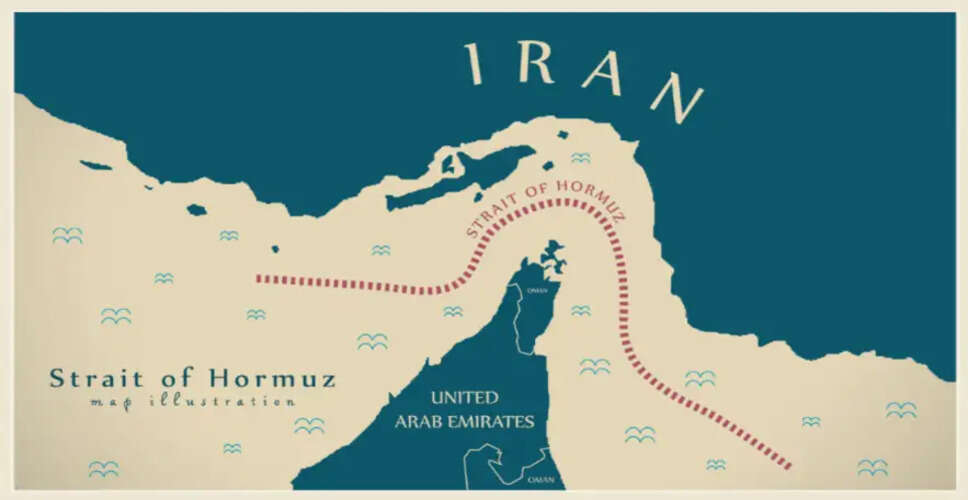
On Wednesday, US President Donald Trump announced a ceasefire related to Iran's reopening of the Strait of Hormuz, which initially sparked optimism for a swift resumption of commercial shipping. However, by Thursday morning, the situation remained unchanged, with only a few vessels, primarily linked to Iran, navigating through the strait. Most ships waiting in the Gulf continued to remain idle.
Shortly after, Tehran indicated it might effectively close the strait in retaliation for Israeli actions in Lebanon, adding to the prevailing confusion. In recent weeks, Iran has shown both the capability and intent to target commercial vessels, leading to a significant drop in daily transits from approximately 130 to just a few. Although the strait has not been physically blocked, the presence of deterrents has kept ships at bay.
While Washington asserts that the strait remains accessible, Iranian officials have hinted at a requirement for vessels to inform authorities prior to transit. Some analysts interpret this as a potential move towards greater control over the waterway, possibly including the introduction of transit fees. Implementing such fees or restrictions could have significant implications, challenging the fundamental principle of maritime trade, which emphasizes freedom of navigation.
Restoring Shipping Traffic
According to experts from The Conversation, restoring shipping traffic through the strait may unfold in two stages. The first involves mitigating threats through military action, diplomatic efforts, or a combination of both, effectively diminishing Iran's capacity and willingness to target shipping.
The second phase focuses on rebuilding confidence. Even if Iran ceases its attacks on civilian vessels due to the ceasefire, shipping activities won't rebound immediately. Experts suggest that trust has been compromised and will require time to restore. An effective reassurance strategy would likely necessitate a broader international presence for surveillance, information sharing, and rapid response capabilities, potentially including limited naval escorts initially.
Currently, the primary concern is not access but the associated risks that deter ships from entering the strait. The ceasefire announcements have only intensified the uncertainty rather than alleviating it.