
Ceasefire Achieved After 108 Days of Conflict Between US, Israel, and Iran

Overview of the Ongoing Conflict
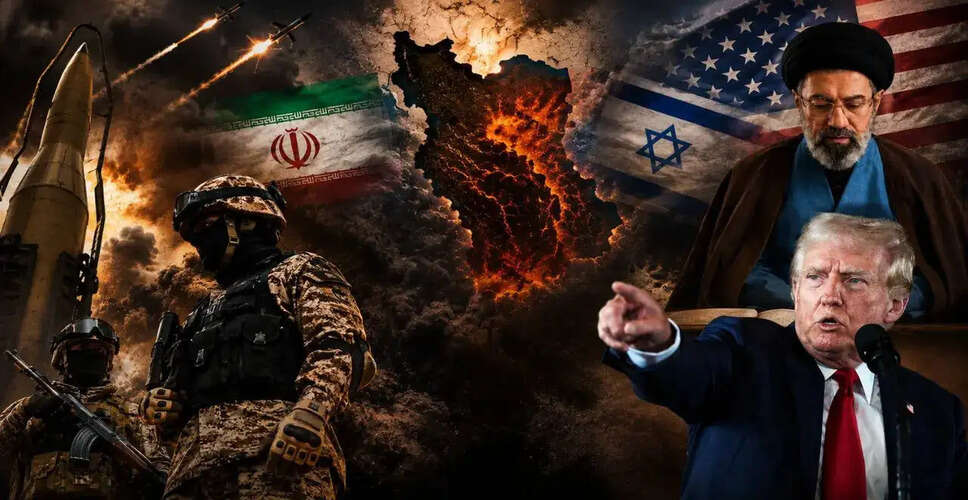
The conflict involving the United States, Israel, and Iran has persisted for 108 days, marking it as one of the most significant security challenges in West Asia in recent times. Although active military engagements have largely ceased due to a prolonged ceasefire, diplomatic discussions continue to face hurdles over the initial causes of the conflict. This crisis ignited on February 28, 2026, when the US and Israel executed coordinated military strikes targeting Iranian sites. The initial phase of these operations aimed at military and governmental structures, leading to the deaths of high-ranking Iranian officials and civilian casualties. In retaliation, Iran launched missile and drone strikes against Israel, US military bases, and allied nations in the region, while also shutting down the Strait of Hormuz, a crucial global energy transit route.
Impact of the Hormuz Closure
Did Hormuz Closure Raise the Stakes?
The closure of the Strait of Hormuz quickly escalated a regional military conflict into a global economic crisis, disrupting energy supplies and straining international shipping routes. As tensions heightened, both Washington and Tehran exchanged increasingly hostile statements while military actions unfolded across various fronts.
Ceasefire Negotiations
How Did The Ceasefire Begin?
Efforts to negotiate peace intensified in late March and early April. On March 25, Pakistani officials reportedly delivered a 15-point proposal from the US to Iran, which included limitations on Iran's nuclear program, missile restrictions, the reopening of the Strait of Hormuz, and phased sanctions relief. Iran dismissed this proposal and instead presented its own counter-offer, demanding security guarantees, reparations, and acknowledgment of its sovereignty claims regarding the strait. Further mediation efforts were initiated, including a joint peace proposal from Pakistan and China on March 31. As the first week of April progressed, diplomatic activities surged amid fears that the conflict could escalate further. The ceasefire agreement was reached only after a tense final round of negotiations. Just hours before the agreement, Israeli airstrikes targeting Hezbollah in Lebanon threatened to derail the entire process. Iranian officials were reportedly on the verge of abandoning negotiations, and military preparations were underway for potential retaliatory actions.
Final Stages of Negotiation
— Department of State (@StateDept) June 14, 2026
American, Qatari, and Pakistani negotiators worked diligently to avert another escalation that could have jeopardized months of diplomatic efforts. Ultimately, Iran opted against immediate retaliation, allowing discussions to proceed. The Supreme National Security Council of Iran later announced that military operations across all fronts, including Lebanon, would halt under the framework agreement. This memorandum does not constitute a final peace treaty; rather, it establishes a 60-day diplomatic period during which negotiators must address the complex issues that instigated the conflict. A formal signing ceremony is anticipated in Switzerland later this week, followed by technical discussions involving nuclear experts and international mediators.