
Call for Investigation into Illegal Stone Syndicate in Assam

Concerns Over Environmental Impact and Revenue Loss
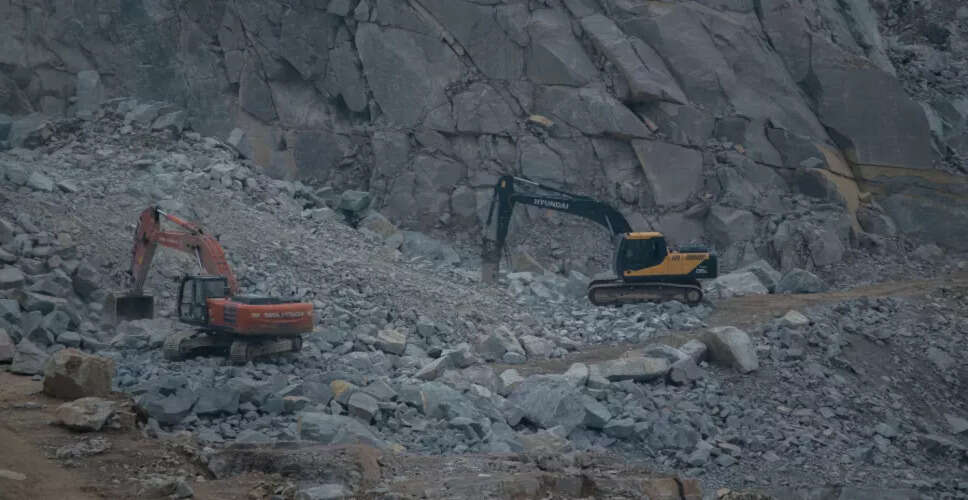
Representational Image
Jorabat, Aug 2: As the Assam government intensifies its efforts to curb revenue losses from forest and mineral resources through stricter enforcement of the Brown Transit Pass (TP) system, an environmental organization based in the city has urged the Governor of Assam to initiate a thorough investigation into the alleged rise of an illegal stone and soil syndicate. They warn that such activities could jeopardize the state's reform initiatives, compromise environmental protections, and worsen the recurring artificial floods in Guwahati.
The North-East Eco Development Society (NEEDS) submitted a comprehensive memorandum to the Governor, alleging that organized groups are exploiting gaps in the transportation regulations for stones and minor forest minerals entering Assam from Meghalaya. This exploitation is reportedly leading to revenue losses, promoting illegal hill cutting, and harming the environment.
This memorandum is particularly significant following Forest Minister Jayanta Mallabaruah's recent announcement of measures aimed at enhancing transparency in the transportation of forest and mineral resources. These measures include digitizing the challan system, implementing GPS tracking for transport vehicles, and conducting stricter inspections to maximize legitimate government revenue.
NEEDS described the Brown Transit Pass (TP) system as a crucial reform introduced by the state government to regulate the legal transportation of stones and minor forest minerals from Meghalaya into Assam. They emphasized that effective implementation of this system is vital to ensure that extraction activities remain within legal boundaries, protect government revenue, and uphold environmental safeguards. However, they claim that certain vested interests are attempting to undermine this system by exploiting administrative loopholes and establishing an illegal syndicate, which could thwart the reform's objectives.
The organization further asserted that legitimate transporters, who have complied with the Brown Transit Pass regulations and paid the required fees, would suffer the most if illegal operators are allowed to operate without oversight. Reports indicate that transport operators have recently halted the transportation of stones and minor forest minerals indefinitely, citing pressure from influential individuals attempting to establish an illegal syndicate. This disruption poses a threat to infrastructure development, construction activities, employment, and the overall economy of the state.
According to the memorandum, permitting an illegal syndicate to thrive would effectively nullify the safeguards established by the Brown Transit Pass system, leading to unregulated extraction and transportation of stones and forest minerals. The organization argues that this situation would not only diminish government revenue but also encourage indiscriminate hill cutting, accelerate ecological degradation, and exacerbate the recurring artificial floods affecting Guwahati and surrounding areas.
NEEDS has consistently raised alarms regarding illegal hill cutting, unauthorized earth excavation, and environmental degradation, and has previously approached the Gauhati High Court regarding these issues.
The memorandum also claims that the illegal transportation of forest minerals is resulting in significant royalty and revenue losses for the state while placing legitimate transporters at a competitive disadvantage. They maintain that unless the Brown Transit Pass system is enforced with rigorous monitoring, verification, and transparency, environmental degradation and illegal trade will persist unabated.