
CAG Highlights Governance Issues in Assam's Social Audit Unit

Concerns Raised by the Comptroller and Auditor General
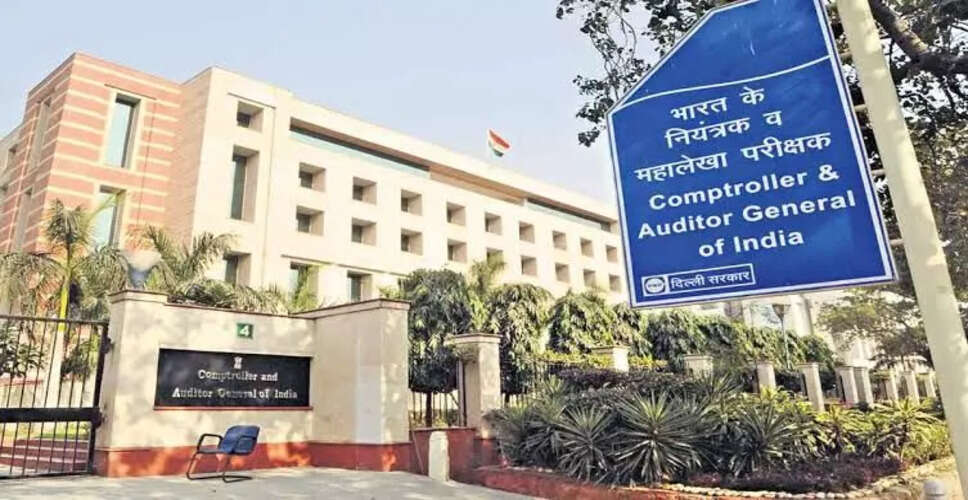
Representational image
Guwahati, June 14: The Comptroller and Auditor General (CAG) of India has identified critical operational and governance flaws within Assam's Social Audit Unit (SAU), indicating that these issues have hindered the effectiveness of social audits aimed at promoting transparency and accountability in rural development initiatives.
In its report concerning local bodies for the fiscal year ending March 2024, the CAG noted that the SAU's registration under the Societies Act had been invalid for nearly five years, having expired in December 2019.
The audit attributed this lapse to the failure to convene governing body meetings at required intervals, which also delayed budget approvals and the certification of annual accounts.
According to the report, "The registration of the SAU under the Societies Act has been invalid since December 2019. The significant shortfall in holding governing body meetings indicates a lack of effective monitoring at the government level."
Established in December 2016 to conduct social audits under the Mahatma Gandhi National Rural Employment Guarantee Scheme (MGNREGS) Audit of Scheme Rules, 2011, the SAU is led by an independent director and overseen by a governing body chaired by the chief secretary.
The CAG also pointed out serious staffing deficiencies within the organization. The proposed manpower policy from August 2017 has yet to be finalized, despite being reviewed by the Finance Department.
As highlighted in the report, "The SAU is functioning with a significant manpower deficit (43 percent overall vacancy), especially among essential field personnel, which affects its capacity to achieve social audit objectives and perform timely audits."
The audit authority urged for the immediate finalization of the manpower policy and the recruitment of sufficient personnel to enhance audit operations statewide.
Another significant issue raised by the CAG was the lack of a Code of Ethics for social audit facilitators, despite such a framework being required under the Auditing Standards of Social Audit. The report called for the SAU to develop and implement this code promptly.
Furthermore, the report criticized the inadequate monitoring and follow-up mechanisms related to social audit findings. It noted that the State Employment Guarantee Council (SEGC) had not effectively monitored actions taken on social audit reports and the action-taken reports submitted by the state government.
The audit also revealed that the SAU failed to submit quarterly reports in the format mandated by the Ministry of Rural Development to the Principal Accountant General or Accountant General.
According to the audit findings, the effectiveness of social audits has been diminished due to insufficient public hearings at block and district levels, poor recovery of funds highlighted in audit reports, and weak follow-up actions by authorities.
The CAG noted that the recovery of misappropriated funds was alarmingly low, with less than four percent of the amounts identified through social audits being recovered. It also pointed to ineffective awareness campaigns and weak oversight at the state level as factors that undermine accountability.
Additionally, the report indicated that some village panchayats did not provide necessary records to social audit teams, reflecting a lack of awareness and understanding among Panchayati Raj Institutions regarding the significance of social audits.
To tackle these challenges, the CAG recommended regular governing body meetings, enhancing follow-up actions on audit findings through public hearings at all levels, and finalizing the manpower policy.
It also suggested improving monitoring mechanisms and raising awareness among local bodies to ensure greater transparency and accountability in rural development programs.