
Cabinet Approves Major Rail Multi-Tracking Projects to Enhance Connectivity
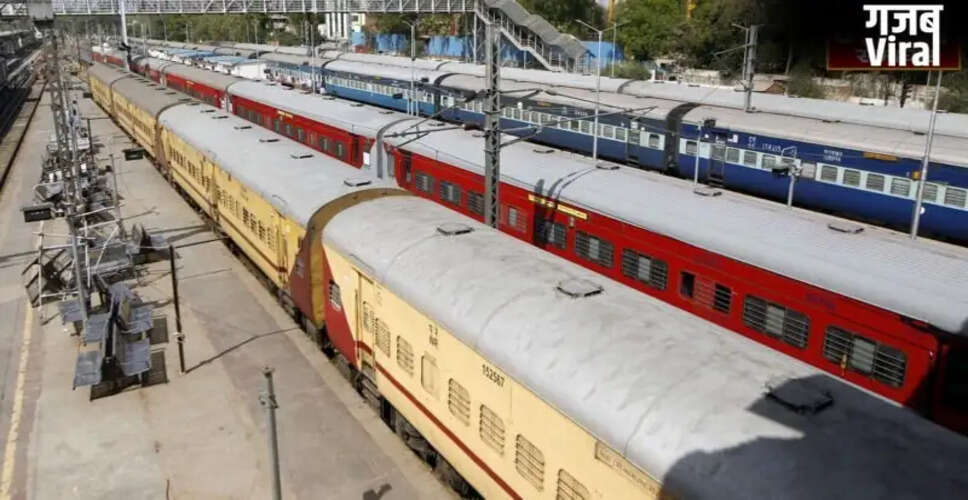

Significant Rail Infrastructure Development
Under the leadership of Prime Minister Narendra Modi, the Cabinet Committee on Economic Affairs (CCEA) has given the green light to three crucial rail multi-tracking projects. These initiatives include the construction of the third and fourth lines at Nagdamathura, Guntkalwadi, and Budhwal Sitapur, with a total investment of approximately ₹23,437 crores.
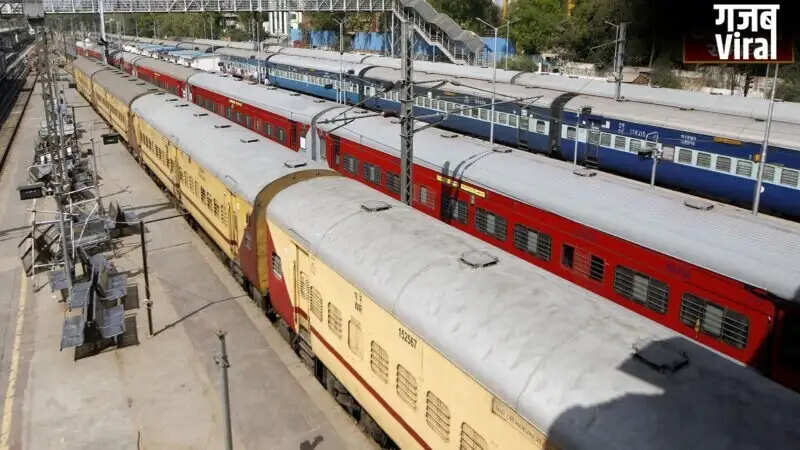
The CCEA highlighted that these projects will enhance the operational efficiency of the railways, increase train speeds, and reduce congestion. Additionally, this initiative aligns with Prime Minister Modi's vision of a 'New India' by promoting regional development, which is expected to create more job and self-employment opportunities.
These projects are part of the PM Gati Shakti National Master Plan, aimed at improving multimodal connectivity and logistics efficiency. The network will extend across 19 districts in Madhya Pradesh, Rajasthan, Uttar Pradesh, Karnataka, Andhra Pradesh, and Telangana, increasing the Indian railway network by 901 kilometers.
The proposed projects will enhance connectivity for approximately 4,161 villages, benefiting a population of around 8.3 million. These tracks will improve train services to major pilgrimage sites such as Mahakaleshwar, Ranthambore, Kuno, Keoladeo National Park, Mathura, Vrindavan, and other significant destinations.
According to the railway authorities, these projects will boost freight capacity by an additional 60 million tons per year, covering coal, grains, cement, POL, iron, and containers. Furthermore, this environmentally friendly and energy-efficient transportation method is projected to reduce CO2 emissions by 1.85 billion kilograms, equivalent to planting approximately 70 million trees.
The expansion of the rail network is set to not only enhance trade and logistics but also create new employment opportunities. This initiative is crucial for environmental conservation and improving connectivity.