
BSF Launches Drone Squadron to Tackle Aerial Threats from Pakistan
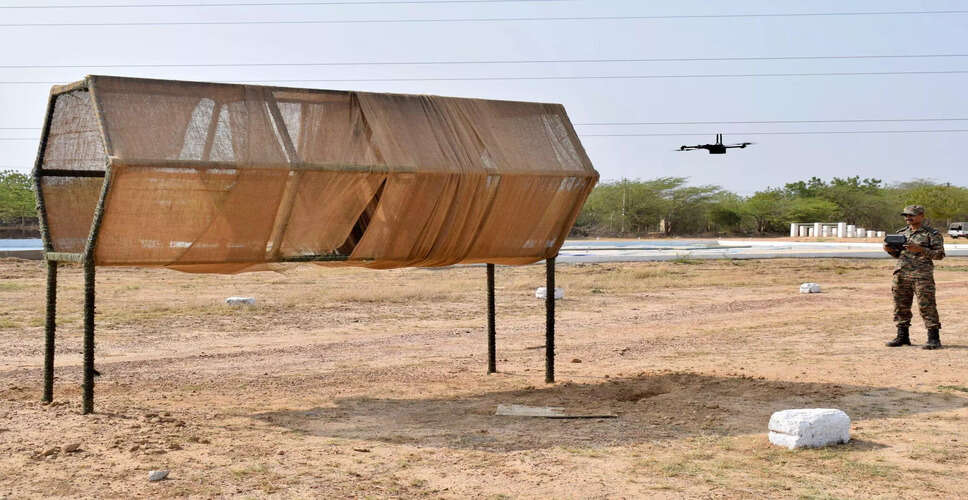
Introduction of Drone Squadron by BSF
The increasing threat of aerial assaults from Pakistan has led the Border Security Force (BSF) to establish its inaugural drone squadron aimed at addressing this risk. Notably, Pakistan previously executed extensive drone strikes during Operation Sindoor, highlighting the urgent need for a more advanced defense strategy. The newly formed BSF drone unit will be stationed at specific border outposts along the India-Pakistan border and will feature reconnaissance, surveillance, and attack drones operated by specially trained personnel.
Deployment and Strategic Importance
This drone squadron will be staffed by trained operatives and will cover the extensive 2,000-km Indo-Pak border, including regions in Jammu, Punjab, Rajasthan, and Gujarat. The implementation of counter-drone technology at critical sites will facilitate the interception and neutralization of unauthorized UAVs. Given the sophisticated nature of modern warfare, it is essential to have specialized options for both attack and counterattack.
Need for Enhanced Security Measures
It raises questions as to why a drone unit was not established earlier along the strategically significant and unstable Indo-Pak border. With India's evolving security challenges from both Pakistan and China, it is crucial to develop a well-structured response mechanism. The deployment of the drone squadron is a timely reaction to recent security threats, particularly Pakistan's drone swarm tactics targeting Indian military and civilian areas during Operation Sindoor.
Broader Security Enhancements Required
Beyond drones, there is a pressing need to bolster India's international border with Pakistan from multiple angles, including the enhancement of border infrastructure. A comprehensive approach that integrates improved intelligence, upgraded physical structures, and technological advancements is essential to effectively counter the changing nature of threats.
Impact of Operation Sindoor
During Operation Sindoor, Pakistan launched thousands of drones across the border, resulting in a tragic attack that claimed the lives of two BSF personnel and an Army soldier, while injuring four others. In response, the BSF has begun implementing protective measures, such as reinforcing bunker walls and roofs with alloy sheets and other defensive enhancements.
Focus on Other Borders
While the Indo-Pak border requires sustained attention from the government, the Indo-Bangladesh border also needs increased surveillance to prevent illegal immigration and monitor the entry of radical elements. Assam has faced significant challenges from infiltration over the years, and although the situation has improved recently, vigilance must remain high. The ongoing threat of illegal migration, smuggling, and the infiltration of radical groups into Assam necessitates a robust, continuous monitoring system.