
BRICS Nations Advocate for Diverse Energy Solutions Amidst Global Transition

Strengthening Energy Security
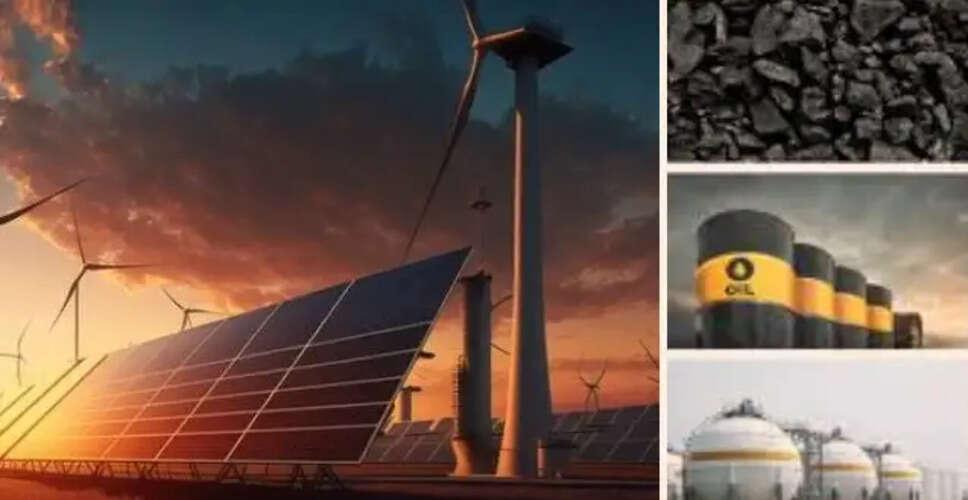
New Delhi: On Saturday, the BRICS nations emphasized the necessity for enhanced energy security through a variety of supply sources, resilient infrastructure, and stable energy markets. They recognized that fossil fuels will continue to be significant in the global energy landscape, especially for emerging and developing economies.
The New Delhi Declaration stated, "We recognize that fossil fuels will remain a crucial component of the global energy mix, particularly for emerging markets and developing economies (EMDEs)."
Additionally, BRICS called for energy transitions that are just, orderly, equitable, and inclusive, while also aiming to reduce greenhouse gas emissions. They highlighted the importance of technological neutrality and the principle of common but differentiated responsibilities.
The group asserted that energy security necessitates stability in energy markets and uninterrupted energy flows from diverse sources, along with stronger value chains and the protection of critical energy infrastructure, including cross-border facilities.
BRICS also supported the increasing integration of digital technologies in energy systems, noting that artificial intelligence and advanced data analytics could enhance grid management, renewable energy integration, and operational efficiency.
Embracing Diverse Energy Technologies
The bloc welcomed the BRICS Guiding Principles on Smart Grids and Energy Storage, along with an initiative led by India to create a BRICS Digital Centre of Excellence for Smart Grids and Energy Storage, serving as a voluntary cooperation platform.
Nuclear, Hydrogen & Renewables
BRICS encouraged nations to pursue balanced and diversified energy mixes that reflect their unique circumstances, acknowledging a wide array of technologies.
"A broad spectrum of energy sources and technologies, including but not limited to renewable energy, bioenergy, fossil fuels, nuclear energy, hydropower, hydrogen, low carbon technologies, and energy storage technologies, is essential for achieving the Sustainable Development Goals (SDGs) and ensuring energy security," the declaration stated.
The group also promoted collaboration on interoperable standards and certification for zero- and low-emission hydrogen, while noting ongoing efforts on a joint report regarding hydrogen value chains.
Focus on Critical Minerals
Critical Minerals
BRICS placed significant emphasis on securing supplies of critical minerals essential for the energy transition.
"We affirm the necessity of promoting reliable, responsible, diversified, resilient, fair, sustainable, and just supply chains for critical minerals," the declaration asserted.
It called for supply chains that ensure benefit sharing, value addition, and economic diversification in resource-rich nations, while respecting their sovereign rights over mineral resources.
The declaration acknowledged the vital role of critical minerals in developing zero- and low-emission energy technologies, energy security, and the resilience of energy supply chains.
Fostering Innovation and Start-Ups
Start-Ups
BRICS also aimed to enhance cooperation in advanced manufacturing and emerging technologies through its Partnership on the New Industrial Revolution (PartNIR).
The group welcomed the formation of a BRICS Incubator Network and considered establishing a BRICS Startup Innovation Fund to support innovation-driven growth.
They highlighted efforts to strengthen the BRICS Startup Knowledge Hub and BRICS Startup Forum, encouraging increased collaboration among start-ups and small to medium-sized enterprises across member nations.
The energy discourse is significant as it attempts to reconcile two often conflicting priorities: ensuring affordable and reliable energy supplies for developing nations while advancing the transition to lower-emission systems. Rather than endorsing a singular energy pathway, BRICS explicitly supports a technology-neutral approach tailored to national circumstances.