
Boosting Milk Production in Cattle During Winter: Effective Tips
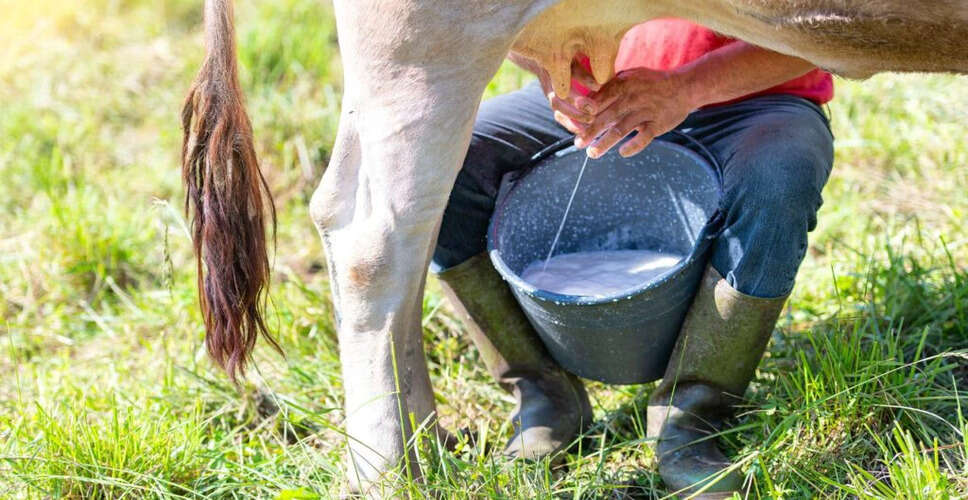

Enhancing Cattle Health in Cold Weather
As December arrives, the biting cold sets in, impacting not only humans but also crops. However, the most affected are the livestock, particularly dairy animals, which are experiencing a decline in milk production and health issues, leading to financial losses for farmers. Fortunately, there are effective strategies that farmers can implement to enhance milk yield during this chilly season.
Veterinarians emphasize that extreme cold significantly affects the health of dairy cattle. Often, cows and buffaloes reduce their milk output due to weakened digestion in winter. To counter this, it is recommended to mix 50 grams of rock salt into their feed daily. This addition aids digestion and replenishes essential minerals in their bodies. Experts suggest that animals typically producing 3 to 4 liters of milk can increase their yield to 6 to 7 liters with this simple adjustment, effectively doubling their milk production.
Importance of Adding Jaggery to Feed
According to specialists, it is also crucial to include 250 grams of jaggery in the daily feed along with rock salt. Jaggery helps maintain body warmth and boosts energy levels, ensuring that the animals remain healthy even in winter. Additionally, providing warmth through a fire at night or covering them with burlap can prevent cold stress, support digestion, and positively influence milk production.
Creating a Healthy Environment in Cattle Shelters
Veterinarians advise maintaining cleanliness and dryness in the areas where animals reside, as dampness and filth can increase the risk of infections during winter. Infections can lead to illness in livestock and reduced milk yield. When feeding, ensure that the fodder is free from pests or spoilage, as poor-quality feed can quickly spread diseases in cold weather. By incorporating these straightforward practices and home remedies into their daily care routines, farmers can ensure their cattle remain healthy and productive, even in the cold.