
Bombay High Court Upholds Uncontested Election Results Ahead of Maharashtra Civic Polls
In a crucial decision ahead of the Maharashtra municipal elections, the Bombay High Court has upheld the validity of candidates elected unopposed. The court dismissed a petition from MNS leader Avinash Jadhav, who argued that such elections violate democratic principles. The ruling emphasized that declaring a single valid candidate as elected without a vote is legally permissible. The court also noted the lack of substantial evidence to support the claims made in the petition, reinforcing the integrity of the electoral process. This ruling sets a significant precedent for future elections in the state.
| Jan 14, 2026, 18:32 IST
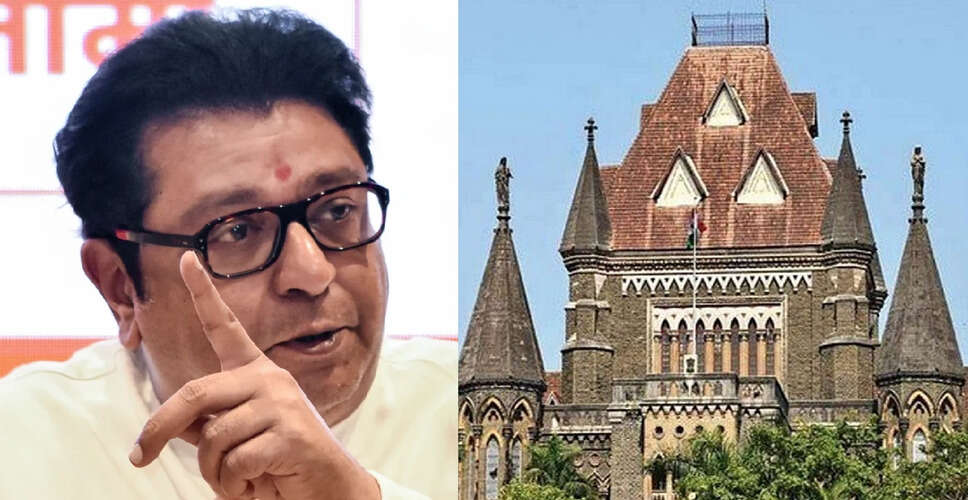
Significant Ruling by Bombay High Court
As Maharashtra prepares for its municipal elections, the Bombay High Court has delivered a pivotal ruling regarding candidates elected unopposed in several wards. The court dismissed a petition challenging such uncontested victories, affirming that declaring candidates elected without a vote is permissible under current laws.
Details of the Petition
What Was the Petition About?
The petition was filed by Avinash Jadhav, a leader of the Maharashtra Navnirman Sena (MNS). He contended that declaring candidates as winners without conducting elections contradicts democratic principles. The petition also alleged that in certain areas, other candidates withdrew their nominations due to pressure or inducements, resulting in a lack of competition.
Court Dismisses Claims
Court Rejects Arguments
The Bombay High Court rejected these claims, stating that the petitioner failed to provide solid and credible evidence to support the allegations. The court noted that the electoral process was proceeding in accordance with the law and that there was no justification for judicial intervention. It clarified that if only one valid candidate exists in a ward, declaring that candidate elected unopposed aligns with electoral laws. The court also advised the petitioner to approach the court responsibly in future cases of this nature.