
Bombay High Court Orders Action Against Feeding Pigeons in Mumbai
The Bombay High Court has mandated the BMC to enforce a ban on feeding pigeons, leading to significant protests from the Jain community and animal rights activists. Over 1,000 citizens marched against the ban, citing the starvation of hundreds of pigeons. The issue has sparked political debates, with concerns raised about public health risks associated with the growing pigeon population. This controversy highlights the cultural significance of pigeon feeding in Mumbai, particularly among the Jain community, and raises questions about the balance between public health and cultural practices.
| Aug 4, 2025, 14:55 IST
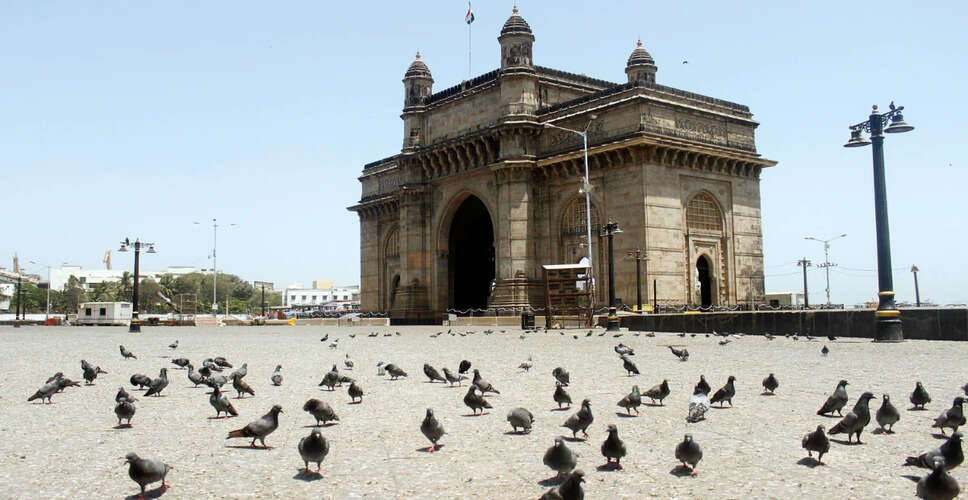
Court Directives on Pigeon Feeding Ban
The Bombay High Court has mandated the Brihanmumbai Municipal Corporation (BMC) to take strict measures against individuals who continue to feed pigeons despite the imposed ban. Following this directive, the Maharashtra government has instructed the BMC to enforce the order. The act of feeding pigeons in pigeon houses and other locations in Mumbai has escalated into a significant political issue. Over 1,000 citizens, including Jain religious leaders, participated in a protest march from the Colaba Jain Temple to the Gateway of India against the ban on feeding pigeons. Jain monk Nareshchandra Ji Maharaj has announced a hunger strike starting August 10, demanding the reinstatement of the feeding practice. He stated, "In recent days, hundreds of pigeons have starved to death in Mumbai as state officials have forcibly prevented animal lovers from feeding them. The Dadar pigeon house and other feeding sites have been sealed by the BMC. We oppose this cruel ban on feeding pigeons." The location for the hunger strike will be determined soon.
Pigeons in Mumbai's Urban Landscape
For decades, pigeons have been a common sight across Mumbai's urban landscape, often seen flocking around railway stations, the iconic Gateway of India, and designated feeding areas known as pigeon houses. However, following a recent court order, these locations are now covered with large tarpaulins, leading to disputes and the first criminal case being registered against feeding pigeons in Mumbai.
Court Order and Public Health Concerns
The controversy stems from a July 31 order by the Bombay High Court, which instructed the municipal body (BMC) to initiate strict criminal proceedings against those violating the ban on feeding pigeons at public and heritage sites. The court cited serious public health risks, including respiratory infections and damage to heritage sites caused by pigeon droppings. This order was issued amid a growing pigeon population in Mumbai. However, it has not been well-received by animal lovers and the influential Gujarati and Jain communities in the city, who consider feeding pigeons a sacred act. This has ignited political tensions surrounding pigeon feeding in India’s financial capital.
Cultural Significance of Pigeon Feeding
To understand the issue, it is essential to recognize the historical connection between pigeon feeding and Mumbai. The tradition is believed to have been initiated by Gujarati and Jain merchants, leading to the establishment of pigeon houses in key areas of the city. They view this act as a religious duty, believing it brings blessings from their ancestors. In Jainism, feeding pigeons is one of the central ethical principles. For decades, many Jain families have continued this tradition by feeding pigeons near temples or trust-operated feeding sites. Recently, over 50 such feeding locations have been shut down, including the prominent Dadar pigeon house. Last week, the BMC erected a bamboo structure at this site to prevent feeding, prompting large-scale protests from the Jain community.
Protests and Legal Actions
On Sunday, more than a thousand activists, animal lovers, and Jain religious leaders took to the streets from Colaba to the Gateway of India to protest the ban on feeding pigeons. Jain monk Nareshchandra Ji Maharaj even threatened to go on a hunger strike if the feeding prohibition is not lifted. Activists claim that hundreds of pigeons have died of starvation in Mumbai in recent days. Although the ban has always existed, it was never legally enforced. No political party wants to upset the influential Gujarati and Jain communities, which constitute a significant portion of the city's population. On August 3, the Mumbai police registered the first criminal case against feeding pigeons in public spaces.
Political Implications of Pigeon Feeding
The issue has also taken on a political dimension, with Maharashtra minister and BJP MLA Mangal Prabhat Lodha expressing concern in a letter to the municipal commissioner regarding the demolition of pigeon houses. In his letter, Lodha questioned whether feeding pigeons is solely responsible for health issues and called for the formation of a panel under court supervision to propose permanent solutions. He noted, "Since the ban on feeding pigeons, there have been numerous incidents of pigeons dying from hunger. This has resulted in pigeons dying on the streets, creating another public health hazard." This topic was also raised in the Maharashtra Legislative Council last month when a member cited a death in a family linked to lung disease caused by pigeon droppings.