
BJP MP Critiques Emergency Era as a Power Grab by Indira Gandhi

Reflections on the 50th Anniversary of the Emergency
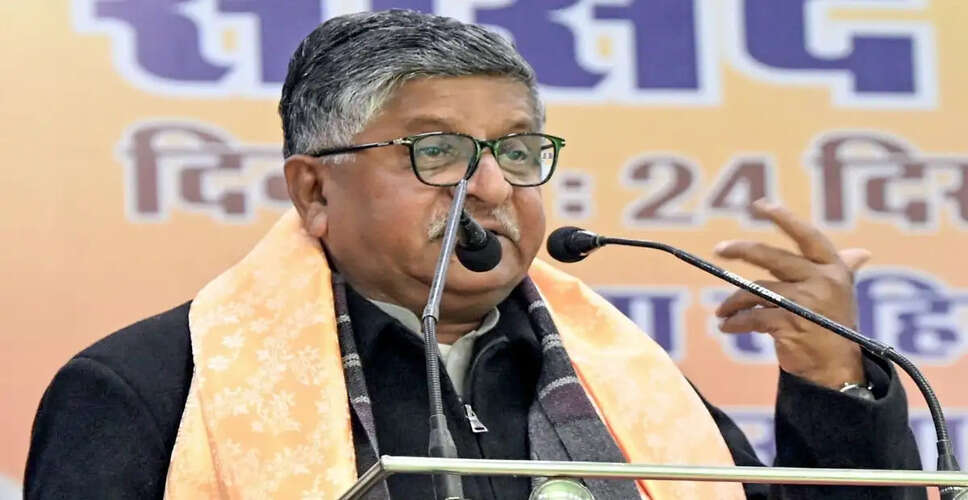
On Thursday, BJP MP Ravi Shankar Prasad remarked that the Emergency imposed in 1975 was solely aimed at preserving the position of then-Prime Minister Indira Gandhi. Speaking to the media in the national capital, he highlighted that this occasion serves as a reminder of the events that transpired during the Emergency, which is considered one of the most controversial periods in India's democratic history. Prasad accused the Congress party of undermining democratic institutions to safeguard its political existence.
A Call to Remember the Past
Prasad noted that it has been 50 years since the Emergency was declared. He emphasized that today, people discuss the importance of protecting democracy and refer to the Constitution. He stressed the need to unveil the true nature of events that occurred five decades ago. As a participant in the JP movement, he expressed pride in having fought during the Emergency. He recounted how Indira Gandhi's election was annulled, leading her to seek intervention from the Supreme Court, which did not grant her relief; she was allowed to enter the House but was silenced. The Emergency, he claimed, was misused to protect Indira Gandhi's position.
Criticism from Delhi's Chief Minister
Earlier, Delhi Chief Minister Rekha Gupta described the Emergency declared on June 25, 1975, as the "darkest chapter" in Indian democracy, stating that it inflicted severe damage on democratic institutions and constitutional values. On the occasion of the 51st anniversary of the Emergency, which the central government observes as 'Constitution Murder Day,' Gupta pointed out that civil rights were suppressed, press freedom was curtailed, and restrictions were imposed on freedom of expression during that time.
Historical Context of the Emergency
In a post on X, the Chief Minister remarked that the decision made by the Congress government under former Prime Minister Indira Gandhi reflects a dictatorial mindset. The Emergency, regarded as one of the most controversial periods in independent India's history, was enforced from June 25, 1975, to March 1977. It resulted in significant alterations to India's constitutional, legal, and administrative frameworks, including political arrests, widespread forced sterilizations, and beautification campaigns. Following its repeal, an inquiry committee was established, and legal amendments were made to regulate the future use of emergency powers.
Stay Updated with National News
For the latest updates on politics, current events, and major news stories across the country, stay tuned to National News in Hindi.