
BJP Leaders Gather in Delhi to Discuss Women's Reservation Bill
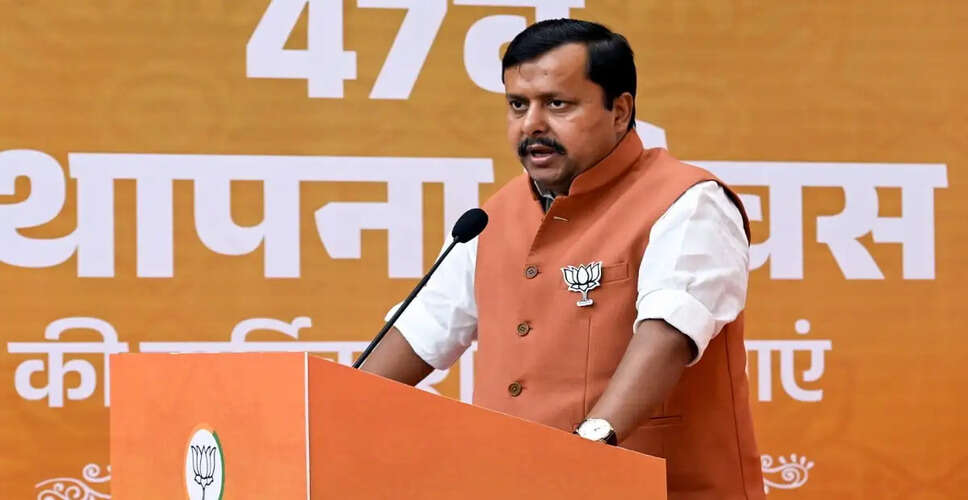

BJP Meeting Focuses on Women's Reservation Initiative
Today, Nitin Nabin, the national president of the Bharatiya Janata Party (BJP), is leading a meeting at the party headquarters in Delhi. This gathering brings together state presidents and in-charges from across the country to devise a nationwide roadmap for the Women's Reservation Bill. The primary goal of this meeting is to formulate a strategic plan for awareness campaigns in various states to garner support for the Nari Shakti Vandan Act.
This development comes ahead of the central government's plan to introduce amendments to the Nari Shakti Vandan Act during a special parliamentary session scheduled to begin on April 16. The proposed amendments aim to expedite the implementation of women's reservation by separating it from the pending census and delimitation process, utilizing data from the 2011 census. If approved, the number of Lok Sabha seats could increase from 543 to approximately 816, with around one-third, or about 273 seats, reserved for women.
Additionally, there is a possibility that the delimitation bill will be presented separately, and both measures must be passed as constitutional amendments. While reservations for Scheduled Castes and Scheduled Tribes will continue, there are currently no provisions for Other Backward Classes (OBC) under this framework. Meanwhile, political reactions to the proposed measures are emerging. Shiv Sena leader Shaina NC welcomed this initiative, praising Prime Minister Narendra Modi and stating that where there is political will, PM Modi is present. She further noted that implementing 33 percent reservation for women would significantly enhance their representation in Parliament.
The BJP has intensified its outreach efforts through programs like 'Women Dialogue,' aimed at directly engaging urban and rural women, raising awareness about the law, and gathering feedback from citizens. Prime Minister Modi has described the Women's Reservation Bill as a historic step towards empowering 'Nari Shakti' and ensuring greater participation of women in India's democratic process.