
BJP Leader Criticizes Himachal Pradesh Government for Poor Governance and Rising Debt
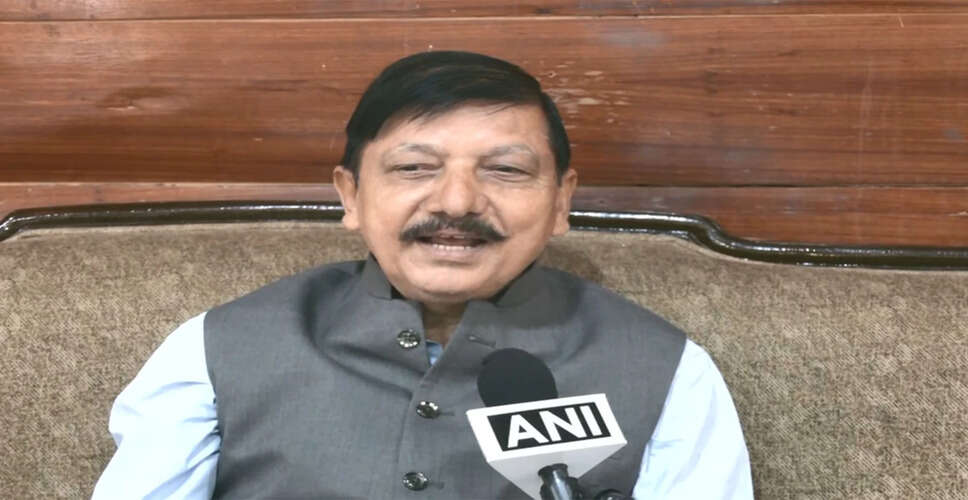

BJP's Rajendra Rana Critiques Congress Government
On Thursday, senior BJP leader Rajendra Rana launched a strong critique against the Congress government in Himachal Pradesh. He accused Chief Minister Sukhu of earning five "undesirable titles" in the state's political history, claiming that instead of leading a democratically elected government, he is running a syndicate. During a press conference in Shimla, Rana asserted that while previous chief ministers are remembered for their contributions to the state's development, the current administration will be noted for escalating debt, poor governance, and a spirit of political vengeance.
Allegations of Mismanagement and Corruption
Rana stated, "Every chief minister in Himachal's history has received some recognition for their contributions, whether it be in infrastructure or the development of modern Himachal. However, the current chief minister will be remembered for being the most dishonest, for accumulating the highest debt during his tenure, for favoring his allies, and for placing the greatest burden on the state." He further emphasized that the operational methods in Himachal Pradesh have deviated from constitutional institutions.
Concerns Over Financial Management
Speaking to a news media outlet, Rana claimed that the current government resembles a syndicate that has been entrenched for decades, facilitating corruption and compromising the state's integrity. He noted that no segment of society is satisfied with the government. Questioning the state's financial management, Rana accused the Congress administration of plunging Himachal Pradesh into a significant debt crisis.
Historical Context of State Debt
From the time Himachal was granted full statehood in 1971 until 2022, twelve governments collectively borrowed around ₹68,000 crores. In contrast, the current government has amassed nearly ₹44,600 crores in less than four years, marking the highest borrowing in the state's history. Despite this substantial debt, the state's roads remain in disrepair, and essential public services have deteriorated.