
BJD MP Sasmit Patra Advocates for GST Inclusion of Petrol and Diesel
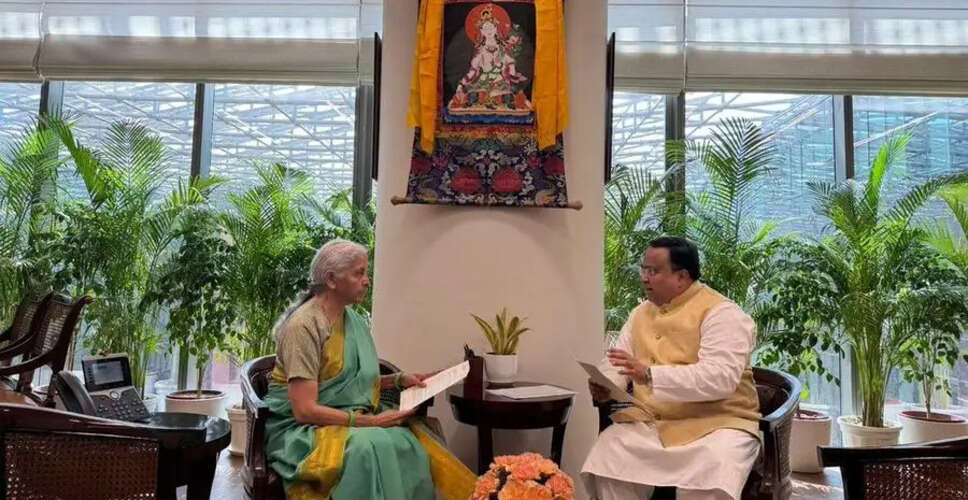

Patra's Meeting with Finance Minister
On Wednesday, BJD MP Sasmit Patra engaged with Union Finance Minister Nirmala Sitharaman, advocating for structured discussions regarding the inclusion of petrol and diesel in the Goods and Services Tax (GST) system.
In his comprehensive appeal to Sitharaman, Patra highlighted that Article 279A(5) of the Constitution anticipates the eventual incorporation of petroleum products into the GST framework, contingent upon the GST Council's recommendations.
He pointed out that while the GST Council had previously addressed this issue following a directive from the Kerala High Court, the current economic landscape necessitates a renewed, practical, and consultative approach.
Patra urged Sitharaman to prioritize the inclusion of petrol and diesel in the agenda for the upcoming GST Council meeting and to initiate structured discussions with all states to develop a feasible and fiscally responsible framework.
Additionally, the Rajya Sabha MP proposed the formation of a technical and fiscal working group to explore implementation models and foster a broad national consensus on the gradual integration of petroleum products into the GST system.
He expressed confidence that under Sitharaman's leadership, the GST Council could engage in balanced and forward-thinking discussions on this critical national matter, benefiting citizens, states, industries, agriculture, and the overall Indian economy.
Patra emphasized that fuel prices have a direct effect on inflation, transportation costs, agricultural expenses, MSME operational costs, and household spending patterns nationwide.
He noted that existing interstate VAT disparities undermine the goal of tax harmonization and market integration intended by the GST.
Highlighting Odisha's economic status as a key player in mining, industry, and logistics, Patra argued that the careful inclusion of petrol and diesel in the GST could lower freight and supply-chain expenses, enhance industrial competitiveness, and provide significant economic relief to citizens, farmers, transporters, and MSMEs.
He also recognized the valid concerns of states regarding revenue stability linked to petroleum taxation, advocating for a balanced and gradual approach rather than an immediate and unconditional inclusion.
Patra suggested that the GST Council consider a tiered GST slab structure, transitional compensation for states, a limited revenue-protection cess, and a formula-based fiscal stabilization framework during the transition.