
Bihar's NDA Government Secures Confidence Vote Amidst Political Tensions
In a significant political development, the NDA government in Bihar, under the leadership of Samrat Chaudhary, successfully secured a confidence vote in the state assembly. This event highlights the coalition's strong majority and the ongoing political tensions within the state. Chaudhary's address during the session emphasized the importance of public support and the rejection of political privilege. The assembly session also featured intense debates, reflecting the dynamic political landscape in Bihar. Discover more about the implications of this confidence vote and the reactions from various political factions.
| Apr 24, 2026, 16:11 IST
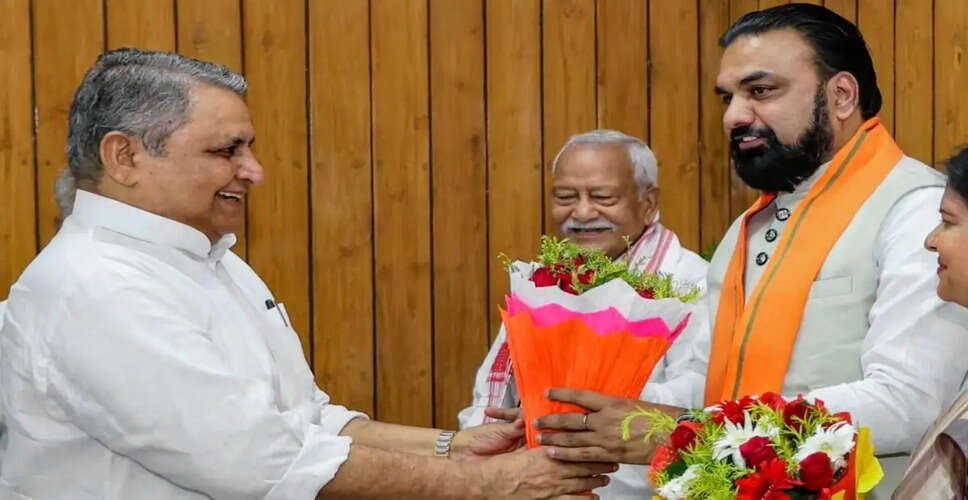

NDA Government's Confidence Vote in Bihar Assembly
The NDA government in Bihar, led by Samrat Chaudhary, successfully obtained a confidence vote in the state assembly on Friday. During a special one-day session, Chaudhary introduced a motion affirming the assembly's support for the current council of ministers. The proposal was passed by voice vote in the 243-member house, where the BJP-led NDA holds a significant majority with 202 seats.
Support for the ruling party came from allies within the NDA, including the Janata Dal (United), Lok Janshakti Party (Ram Vilas), Hindustani Awam Morcha, and Rashtriya Lok Morcha, clearly demonstrating the coalition's numerical strength in the assembly. Addressing the house, Chief Minister Chaudhary launched a sharp political attack on Tejashwi Yadav, dismissing the notion that leadership in a democracy is derived from lineage or a specific political ideology. He emphasized that political power is earned through the people's mandate and continuous struggle, rather than through inheritance or personal privilege.
Reflecting on his political journey, Chaudhary noted that he reached the top position through public support and determination. He specifically mentioned former Chief Minister Lalu Prasad, stating that the challenges and alleged oppression during that era significantly shaped his political path. He highlighted that his rise represents collective political consensus and party unity, particularly emphasizing the BJP's role in providing him opportunities as state president, deputy chief minister, and now chief minister. The special session witnessed intense debates between the ruling coalition and the opposition. However, the absence of a demand for a vote count indicated that the opposition did not directly challenge the government's numerical strength in the house.