
Beware of the Sidewinder: The Deadly Desert Snake

The Hidden Dangers of Nature
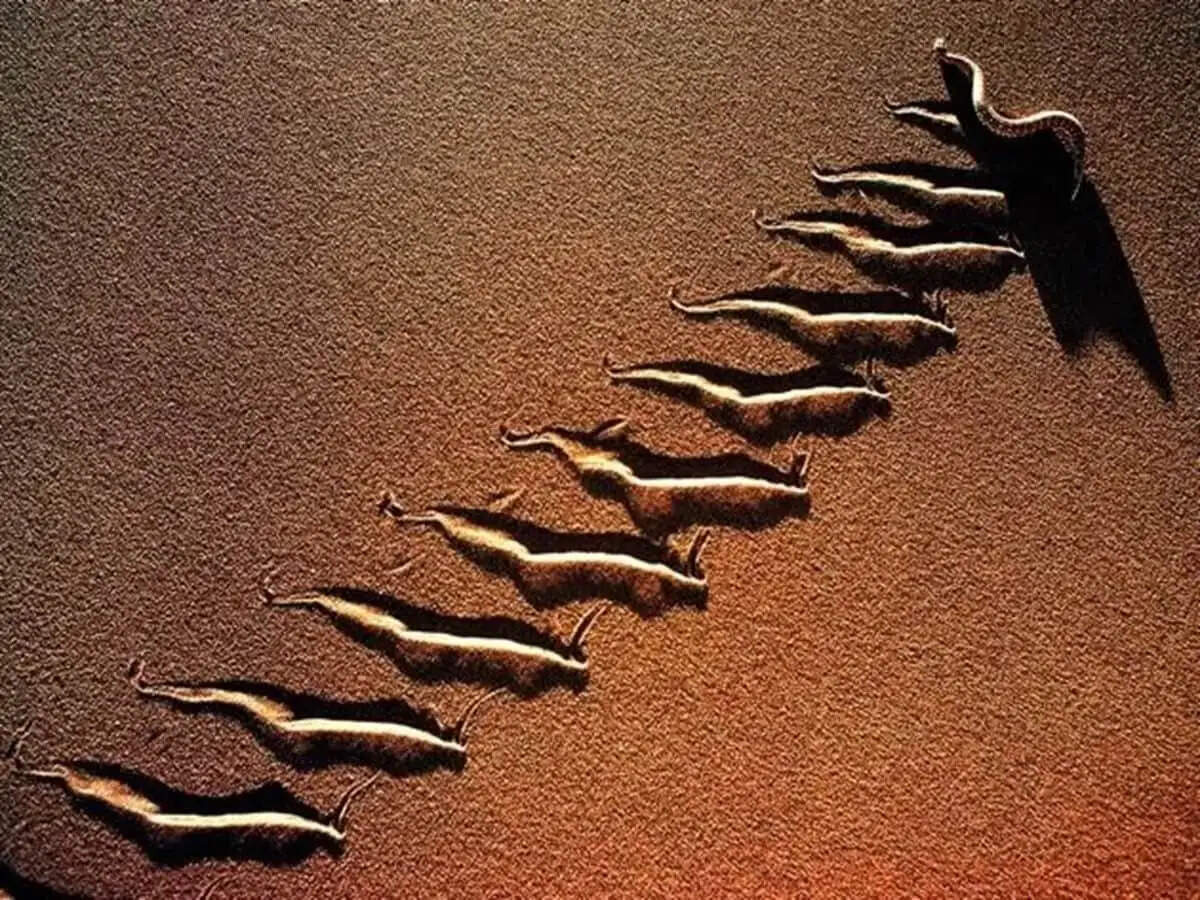
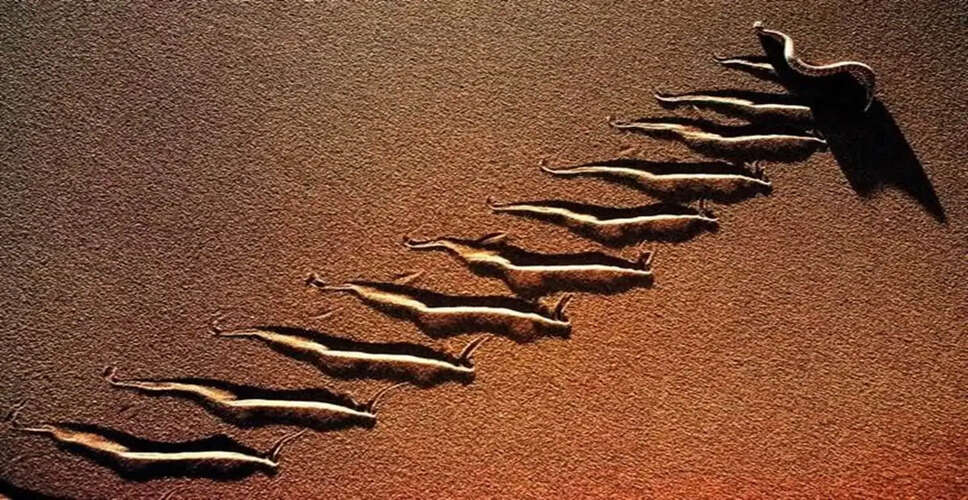
Nature's beauty often conceals hidden dangers, especially in harsh environments like deserts. A video circulating on social media warns viewers: “If you see these marks in the desert, RUN!” The S-shaped patterns in the sand are not mere formations; they are the tracks of one of the fastest and most venomous snakes in the world, the Sidewinder (Crotalus cerastes).
Unique Movement in the Desert
Found in the Sonoran and Mojave deserts of North America, the Sidewinder's distinctive sideways movement allows it to glide swiftly across the sand. However, fresh tracks indicate a need for caution, as it suggests the snake may be nearby, ready to strike. Each year, numerous individuals fall victim to these dangerous snakes in the desert.
Agility in the Sand
While traversing sand can be challenging, these snakes excel at it. The video illustrates how the Sidewinder creates J or S-shaped curves in the sand, a result of its unique locomotion. According to videos from BBC Earth and YouTube, instead of moving in a straight line, the snake undulates its body sideways, allowing only two points to touch the sand. This technique prevents slipping, enabling it to move at speeds of up to 18 miles per hour. The Sidewinder is nocturnal, burying itself in the sand during the day, with only its eyes visible.
A Highly Dangerous Species
The Sidewinder's remarkable adaptations also pose significant risks. Its camouflage makes it extremely difficult to spot. When it bites, it injects neurotoxins that can cause pain, swelling, and respiratory issues. As a type of rattlesnake, it possesses a rattle on its tail to warn potential threats, but the sound is often muffled by the sand. According to the Science Photo Library, it preys on lizards and rodents. Its bite can be fatal, particularly for children and the elderly. Wikipedia notes that sidewinding is a behavior exhibited by only a few snake species, including the Sahara horned viper and the Namib desert adder.