
Beware of Hidden Pests in Common Vegetables
As winter brings a bounty of fresh vegetables, it's essential to be aware of the hidden dangers they may pose. Some common vegetables can harbor harmful pests, particularly tapeworms, which can lead to serious health issues if not properly cleaned and cooked. This article highlights specific vegetables that are prone to contamination and offers tips on how to safely prepare them. Learn how to protect your health while enjoying the seasonal produce.
| Apr 18, 2026, 21:21 IST

The Risks of Consuming Contaminated Vegetables
During the winter season, a variety of fresh vegetables become available, tempting many to purchase them for their health benefits. However, some of these vegetables can harbor harmful pests that may lead to serious health issues. While the vegetables themselves are nutritious, the pests they contain can pose significant risks.
If these vegetables are not thoroughly cleaned and cooked, the pests can enter your bloodstream and potentially reach your brain, leading to severe illnesses. Additionally, they can cause damage to your liver. Scientifically, these pests are referred to as tapeworms.
Here are some vegetables that are particularly prone to harboring these dangerous pests:
- Cauliflower and Cabbage: These vegetables are favorites for tapeworms, often containing tiny pests that are invisible to the naked eye. Alarmingly, some of these pests can survive even at high temperatures, eventually entering your bloodstream and accumulating in the brain, leading to various health issues.
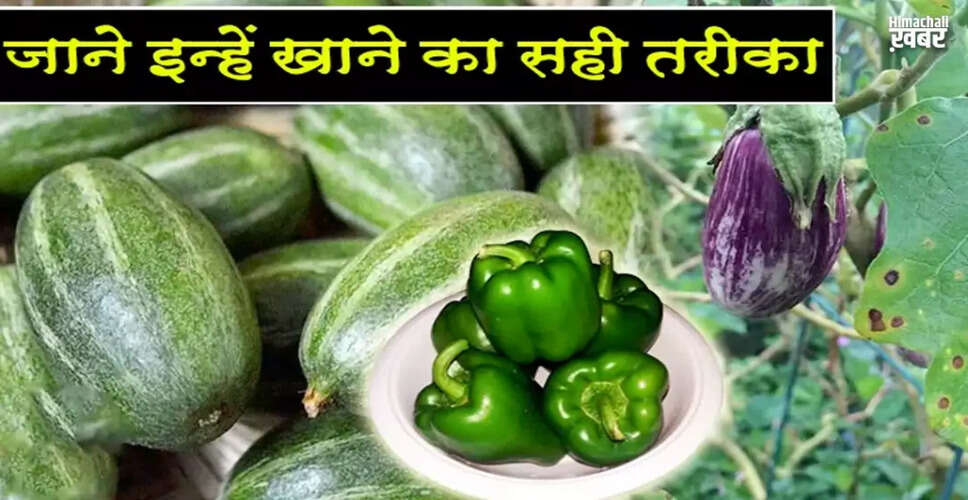
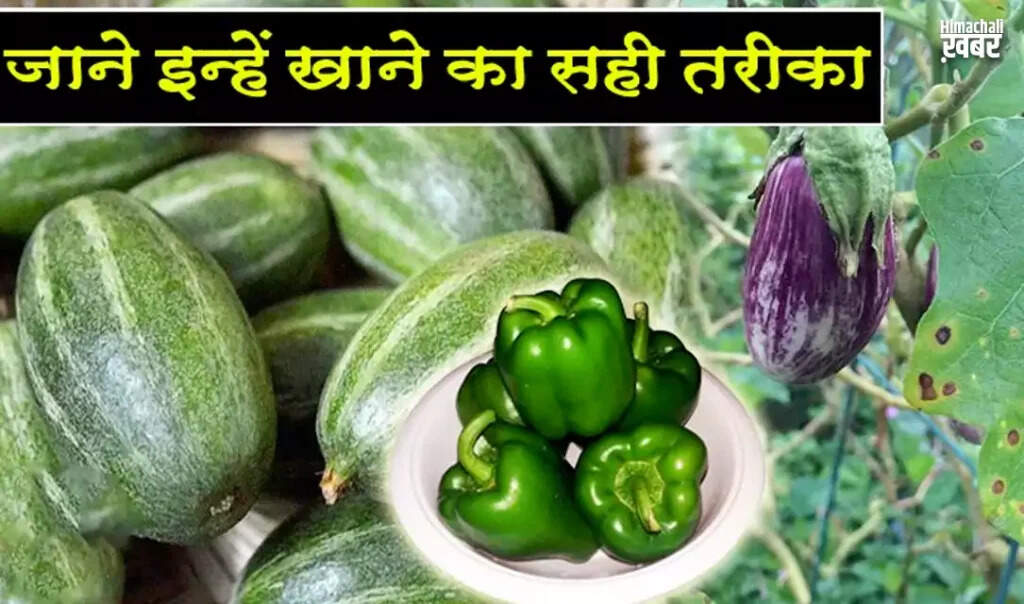
- Eggplant: Many enjoy this vegetable in various dishes, but it can also be a host for pests, especially in its seeds. These pests can harm your brain, so it’s crucial to inspect and cook eggplant thoroughly before consumption.
- Bell Peppers: While visually appealing and flavorful in dishes, bell peppers can also contain tapeworms. They should never be eaten raw and must be cooked properly to eliminate any risks. Some people add them to dishes at the last minute for crunch, but this can be dangerous.
- Colocasia Leaves: A favorite for many, often cooked with gram flour or potatoes, these leaves can also harbor tapeworms. It’s advisable to wash them in hot water before use.
- Pointed Gourd: Many believe this vegetable is pest-free, but that’s a misconception. It can also contain tapeworm larvae, so it’s best to remove the seeds and cook it thoroughly for safety.