
Bengaluru's Vegetables Found Contaminated with Lead: Health Risks and Safety Tips
Lead Contamination in Bengaluru's Vegetables
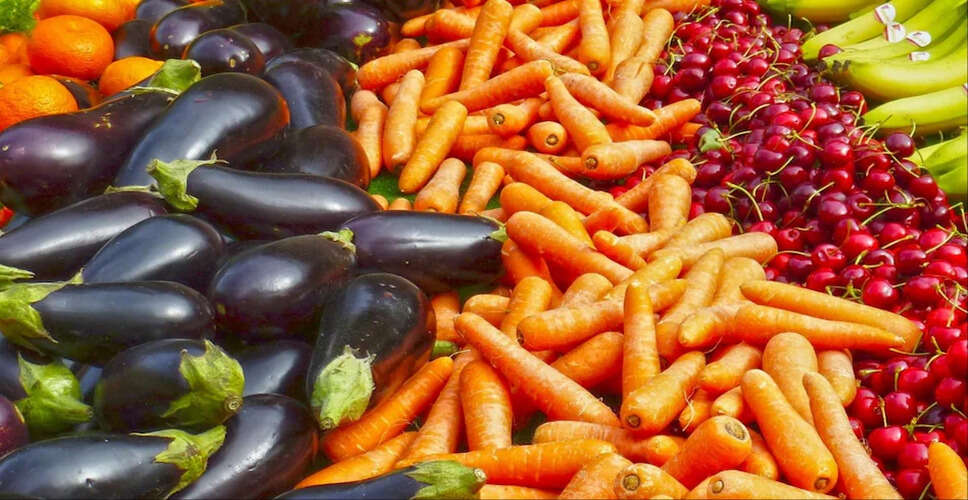
In Bengaluru, a city known for its IT industry, vegetables have become a health hazard. A recent investigation by a joint committee from the Central Pollution Control Board (CPCB) analyzed 72 vegetable samples from local markets, revealing that 19 of these samples (approximately 26%) contained lead levels exceeding the safe limits set by the FSSAI. Alarmingly, the lead concentration in eggplants reached 1.953 mg/kg, significantly higher than the permissible limit of 0.1 mg/kg—almost 20 times more! Even an 'organic' labeled eggplant sample was found to be contaminated with this toxic metal.
The report highlighted that lead levels in other vegetables were also concerning: small gourds showed 18 times the safe limit, flat beans had 9 times, and leafy greens contained 5 times the acceptable amount. Other affected vegetables included bitter gourd, beans, cabbage, bell peppers, and cucumbers. Additionally, residues of 18 different pesticides were detected, with 12 of them being either banned or present in excessive amounts.
What Are the Causes? Experts attribute this pollution primarily to the use of untreated or partially treated sewage water for irrigation, airborne dust from the city, and contaminated soil. The practice of using sewage in nearby farms has led to heavy metals infiltrating the vegetables.
Health Implications Lead is considered a 'slow poison.' Prolonged exposure can adversely affect brain development in children, lower IQ, and lead to anemia, kidney failure, high blood pressure, and nervous system issues. Adults are also at risk of heart, kidney, and reproductive health problems.
Doctors' Recommendations for Safety Health experts have provided essential tips to mitigate risks:
- When purchasing vegetables, opt for fresh and local organic options, but do not solely rely on labels—check testing reports.
- Thoroughly wash vegetables: Soak them in clean water 2-3 times, then place them in a vinegar or baking soda solution for 10-15 minutes, followed by rinsing under running water.
- Peel skin-on vegetables when possible.
- Boil leafy greens thoroughly and discard the water, as lead can dissolve in it.
- If feasible, grow your own vegetables at home, even in small pots using organic methods.
- Maintain a varied diet; avoid consuming the same vegetable daily.
- Children, pregnant women, and the elderly should exercise extra caution.
- If symptoms like fatigue, headaches, or abdominal pain occur, consult a doctor for testing.
This report has been submitted to the National Green Tribunal (NGT), prompting calls for stringent action from authorities. Residents of Bengaluru are urged to prioritize health over convenience—stay informed to ensure the safety of your meals.