
Beijing's State Dinner: A Culinary Showcase for Trump
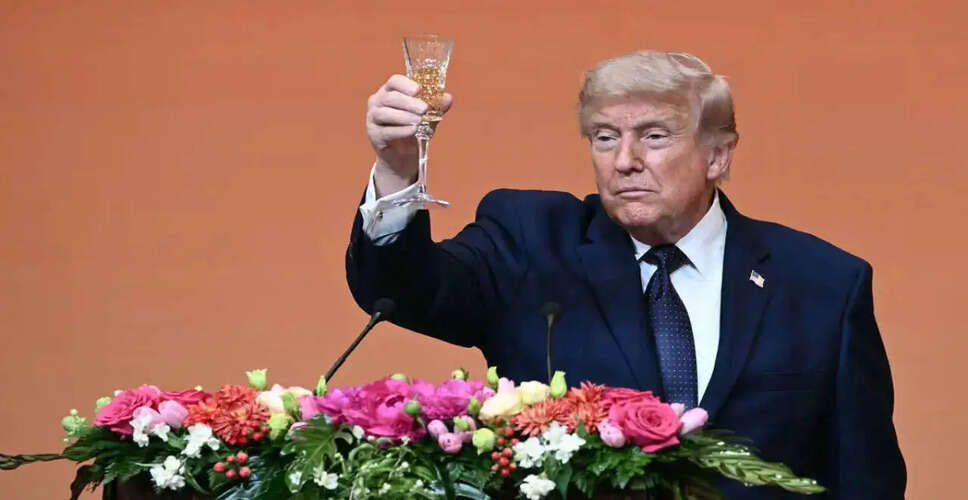

A Grand Evening in Beijing
On Thursday evening, a meticulously planned state dinner took place in Beijing, hosted by President Xi Jinping for President Donald Trump. The event unfolded at the Great Hall of the People, where both leaders were seated at a banquet table adorned with lush greenery, a serene lake featuring swans, and miniature replicas of traditional Chinese architecture. The menu was crafted to highlight Beijing's culinary heritage while subtly acknowledging the American president's known food preferences.
The Exquisite Menu
The Full Menu
The dinner featured an impressive array of dishes, including hors d'oeuvres, lobster in tomato soup, crispy beef ribs, Beijing roast duck, stewed seasonal vegetables, slow-cooked salmon in mustard sauce, pan-fried pork buns, trumpet shell-shaped pastries, tiramisu, fruits, and ice cream. The meal prominently showcased Beijing's renowned specialties, with the roast duck being a highlight, representing one of the capital's iconic offerings.
Catering to Trump's Preferences
A Nod to Trump's Tastes
While the menu celebrated Chinese cuisine, it also included elements that catered to Trump's tastes. The crispy beef ribs were interpreted as a subtle nod to his fondness for beef, particularly well-done steak. The presence of tiramisu and ice cream, both favorites of the president, indicated that Beijing had taken note of his preferences. This approach differed from Trump's initial state visit to China in 2017, where the menu leaned more towards American comfort food, featuring dishes like kung pao chicken and stewed beef with tomato sauce. This time, the meal diverged from the traditional Huaiyang cuisine typically served at state dinners, incorporating elements that made the guest feel at ease.
Toasts and Historical References
What Was Said Before the First Bite
Before the meal commenced, Trump raised a toast that reflected on the complex history between the two nations. He mentioned China's gift of a stone tablet featuring the Washington Monument and highlighted an unexpected historical connection: President Theodore Roosevelt's assistance in funding Tsinghua University, Xi's alma mater, at the request of China's then-ambassador. Trump framed these moments as examples of authentic cultural exchange, humorously noting that Benjamin Franklin enjoyed sharing Confucius' teachings with Americans, while Chinese citizens have developed a fondness for American basketball and blue jeans. He concluded with a striking statistic: "Chinese restaurants in America now outnumber the five largest fast food chains combined," he remarked, calling it a significant statement.
Xi's Perspective on U.S.-China Relations
Xi's Message at the Table
In his toast, Xi emphasized the critical nature of the relationship between Washington and Beijing, labeling it the most significant bilateral relationship globally. He underscored the shared responsibility both nations have in nurturing this relationship. "We must make it work and never mess it up," Xi stated, noting that he and Trump had managed to maintain a "generally stable" relationship amid rising tensions over Taiwan, fentanyl, and China's territorial claims in the South China Sea. The dinner was characterized as a polished exhibition of Chinese hospitality, designed to ensure the American president felt at home.