
Batsapur Village: A Model of Self-Sufficiency with Biogas
Batsapur village in Bihar has become a model of self-reliance with its biogas plant, which has been providing gas to homes for four years. This initiative has allowed around 50 families to move away from LPG cylinders, showcasing a sustainable solution amidst global gas shortages. The biogas produced from cow dung not only fuels cooking but also contributes to organic farming, enhancing crop quality. With a unique economic model in place, the village has transformed its waste management and cooking practices, significantly improving the quality of life for its residents. Explore how this small village is making a big impact.
| Apr 18, 2026, 18:22 IST
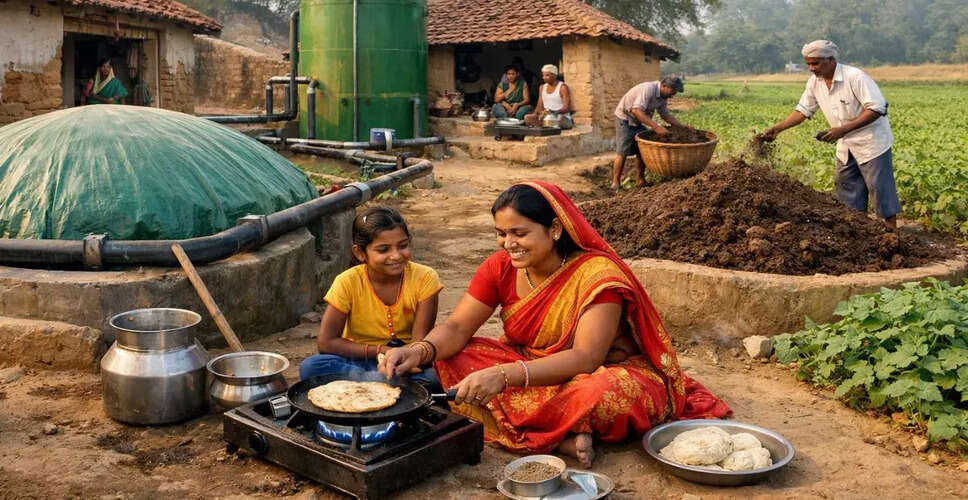

Introduction to Batsapur's Biogas Initiative
In the Batsapur village of Gaya district, Bihar, a biogas plant has been supplying gas to homes for the past four years. Approximately 50 families no longer rely on LPG cylinders.
A Beacon of Self-Reliance
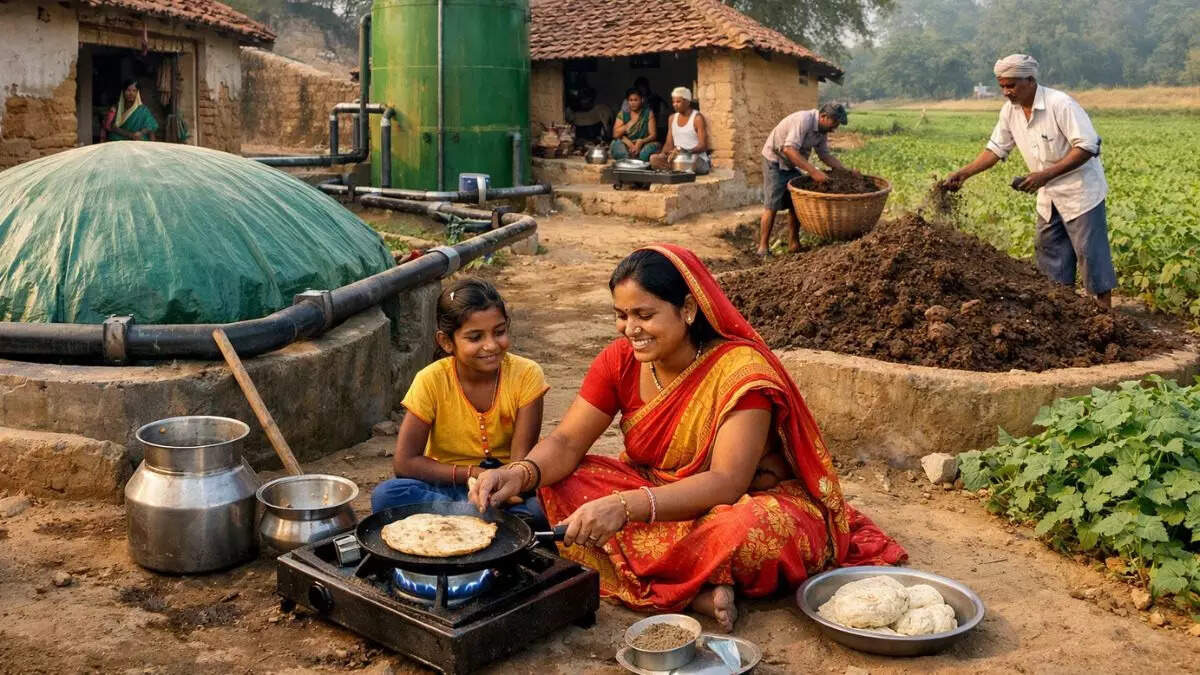
While many regions face shortages of LPG due to global tensions and conflicts, Batsapur village stands as a testament to self-sufficiency. Residents here have eliminated the need for LPG cylinders, relying instead on biogas produced from cow dung.
Details of the Biogas Plant
Located in the Bodh Gaya block of Gaya district, this village has around 40 to 50 households utilizing biogas for cooking. The biogas plant was established four years ago under government initiatives like the Lohia Swachh Abhiyan and the GOBARdhan Scheme.
Unique Features of the Biogas Plant
What Makes the Biogas Plant Special?
- The plant features a pipeline system that delivers gas directly to homes, similar to urban setups. Each household has a gas meter installed to monitor usage.
- Families that supply cow dung to the plant receive gas free of charge, while others pay a nominal fee of 25 rupees per unit. This has created a small economic model within the village.
- Residents report that the plant has transformed the village's landscape. Previously, cow dung littered the streets, contributing to unhygienic conditions and health issues. Now, all dung is collected at the plant.
- The byproducts of gas production are used as organic fertilizer by farmers, enhancing crop quality and reducing reliance on chemical fertilizers.
- This change has also brought relief to women in the village. Cooking on traditional wood stoves was time-consuming and produced smoke that irritated the eyes. Now, biogas allows for quicker, smoke-free cooking, keeping kitchens cleaner and saving time.
- According to village head Ishwar Manjhi, this project is not only environmentally beneficial but also economically empowering for the residents. Many families are no longer fully dependent on external gas supplies.