
Bastar Region Sees Dramatic Decline in Maoist Presence: A Step Towards Lasting Peace
Significant Reduction in Maoist Cadres
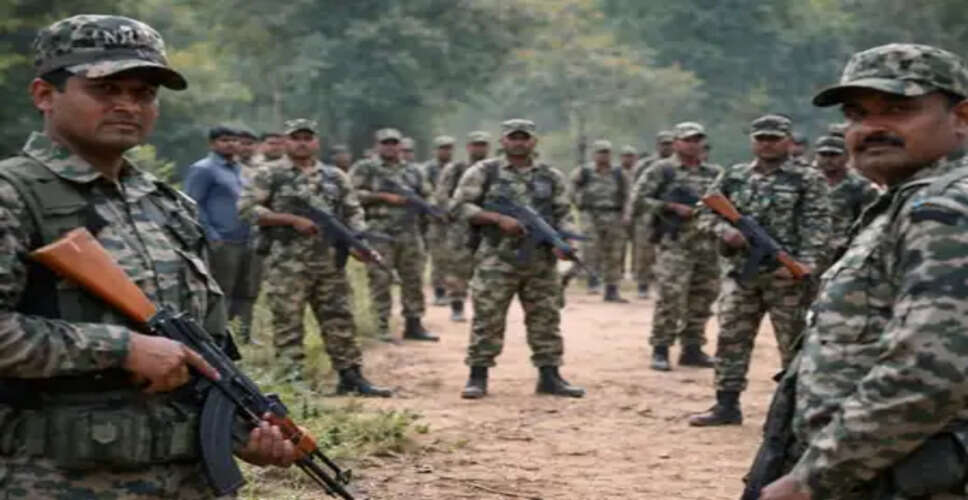
Raipur: The Bastar region in Chhattisgarh has witnessed a remarkable decrease in armed Maoist personnel, with numbers dropping by over 5,500 in recent years. This achievement marks a significant milestone in the ongoing battle against Left-Wing Extremism. Deputy Chief Minister and Home Minister Vijay Sharma announced that this reduction is steering the area closer to its goal of being entirely free from Maoist influence by March 31 of this year.
During a press briefing, Sharma revealed that approximately 3,000 Maoists have surrendered recently, contributing to the notable decline in armed groups.
Moreover, security forces have apprehended around 2,000 Maoist operatives over the past two years. The combination of surrenders and arrests has led to a total decrease of about 5,000 in the number of armed Maoists.
The Home Minister also mentioned that security forces have neutralized 525 Maoists through various operations, bringing the total reduction to 5,525.
Sharma expressed optimism that with the ongoing efforts from both Central and state security forces, the Bastar region will soon be liberated from Maoist violence. He commended the bravery and commitment of the armed forces in achieving this progress.
Chief Minister Vishnu Deo Sai echoed these sentiments, sharing updates on social media platform X. He noted that effective governance policies have ushered in a transformative change in Bastar.
Under the Naxal Surrender and Rehabilitation Policy 2025, over 2,800 individuals have renounced violence and reintegrated into society. The Chief Minister emphasized that this trend demonstrates that development and trust can triumph over ideological divides.
Sai remarked that the influence of Maoism is diminishing in Bastar, thanks to improved governance. Once a region plagued by fear and violence, Bastar is now confidently advancing towards democracy, development, and trust.
He stressed that the government's strong commitment, coupled with active community involvement, has laid a solid groundwork for enduring peace. The Chief Minister described this transformation as a compelling example of how trust can foster lasting change.
Bastar, historically viewed as the heart of Naxal activities, is now showing promising signs of a peaceful future. Security officials are hopeful that ongoing operations and rehabilitation initiatives will effectively resolve the Naxal issue in the region in the near future.