
Bareilly's Rising Heat Impacts Children's Health at District Hospital

Increasing Health Issues Among Children in Bareilly
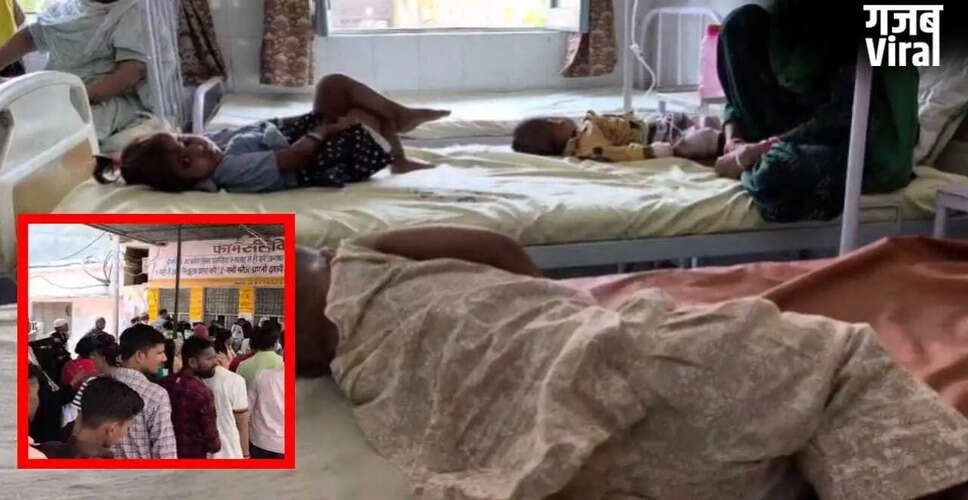
In Bareilly, the escalating temperatures are beginning to take a toll on children's health. The pediatric ward at the district hospital has seen a sudden surge in patient numbers, revealing flaws in the healthcare system. On Tuesday, the ward, which has a capacity of 30 beds, had to accommodate around 40 children, resulting in two children sharing a single bed for treatment.
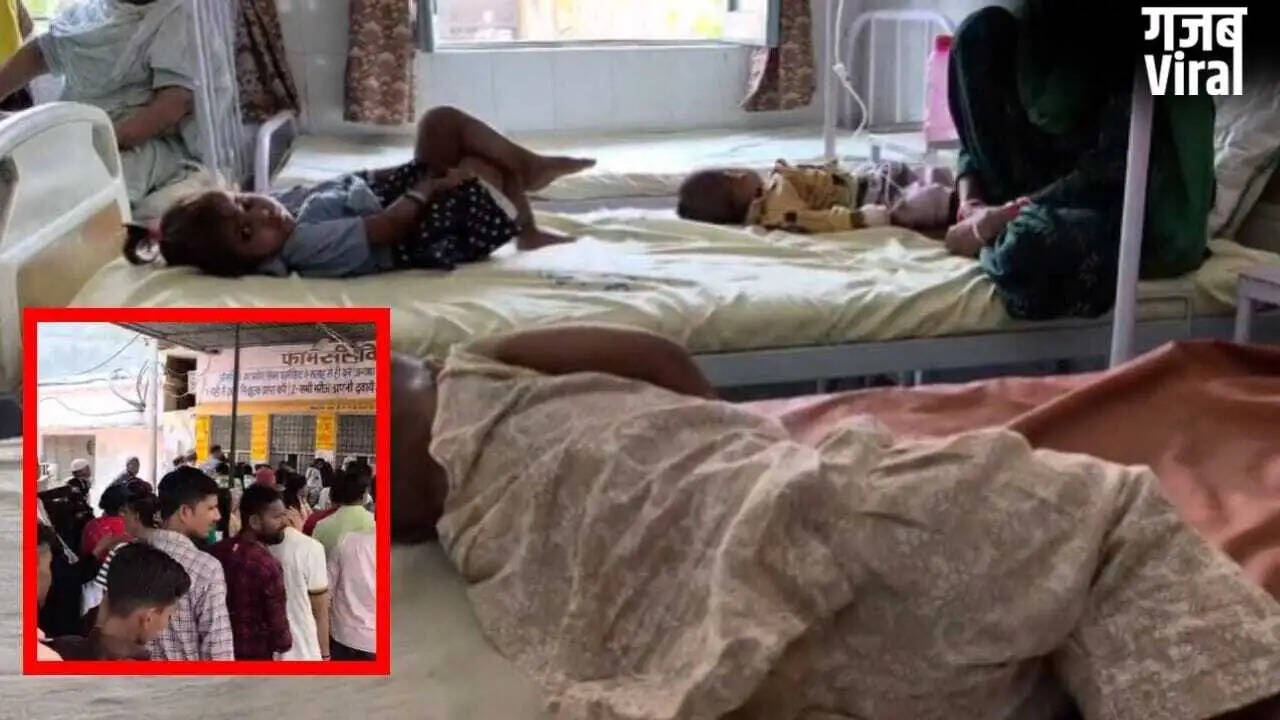
Most of the hospitalized children are suffering from issues such as vomiting, diarrhea, abdominal pain, and fever. According to doctors, the rapid changes in weather and rising heat have led to an increase in such cases. Despite the shortage of beds, the hospital administration claims to continue providing treatment.
Concerns Over Hygiene Around the Pediatric Ward
Patients and their families have expressed dissatisfaction with the hospital's conditions. Relatives report that the area surrounding the pediatric ward is littered with garbage. Stray dogs can be seen near the trash bins, and dirty water flows around, heightening the risk of infections. The mosquito problem remains severe as well.
Long Waits in Outpatient Department
The situation in the outpatient department (OPD) is equally troubling. Long queues of patients suffering from diarrhea, vomiting, and abdominal pain are common. Patients have stated that they have to wait for hours just to get their prescriptions and medications. Many have accused doctors of prescribing medications from outside sources, and there is a lack of proper drinking water facilities within the hospital.
Three-Month Wait for Ultrasound Tests
Additionally, patients are facing waits of up to three months for ultrasound tests, forcing them to seek examinations elsewhere. The necessity of standing in long lines to obtain medications in the sweltering heat has exacerbated the difficulties faced by patients.
Overall, the disarray at the district hospital amid rising temperatures poses a serious challenge for patients, especially children. This situation is a cause for concern for the health department, which recognizes the urgent need for improvements.