
Bangladesh's PM Tarique Rahman Visits China: Strengthening Ties with Xi Jinping
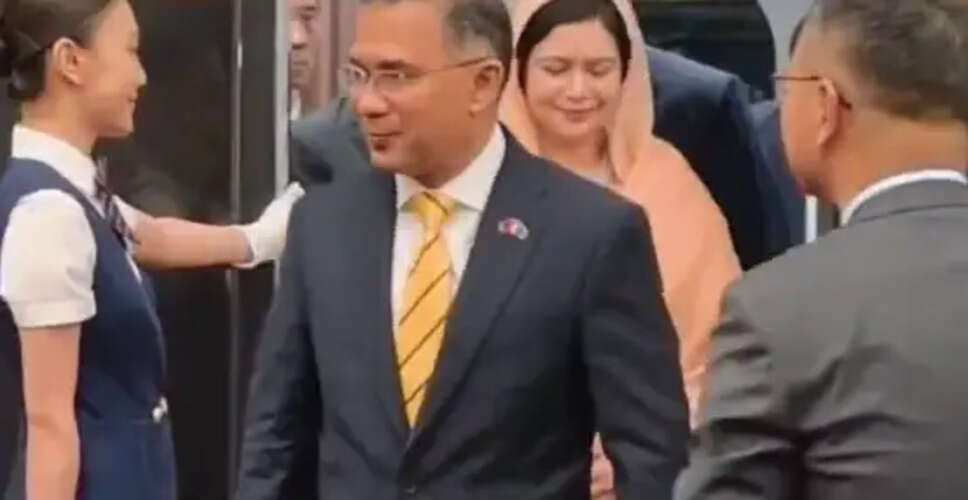

Bangladesh Prime Minister's Visit to China
Beijing: On Wednesday, Bangladesh's Prime Minister Tarique Rahman arrived in Beijing for discussions with Chinese President Xi Jinping aimed at enhancing bilateral relations and outlining future cooperation between the two nations.
Rahman traveled to Beijing from Dalian, where he participated in the 17th Annual Meeting of the New Champions hosted by the World Economic Forum (WEF), focusing on leveraging technological advancements for economic growth and job creation.
The Prime Minister took a high-speed train from Dalian to Beijing, where he is scheduled to meet with Xi, Premier Li Qiang, and other high-ranking officials over the next two days.
Chinese Foreign Ministry spokesperson Guo Jiakun stated during a media briefing that the leaders aim to define the future trajectory of their bilateral relationship.
Guo expressed that through this visit, China anticipates collaborating with Bangladesh's new government to enhance strategic dialogue, foster traditional friendships, promote high-quality Belt and Road Initiative (BRI) cooperation, and expand various exchanges and collaborations.
Prior to Rahman's visit, Bangladesh's Foreign Secretary Asad Alam Siam informed the media that the two countries are likely to sign between 15 to 17 bilateral agreements, which include 13 Memorandums of Understanding, two agreements, one action plan, and one protocol, as reported by Bangladesh's state-run news agency.
Discussions regarding the Teesta water project are also expected to take place during this visit.
The Teesta project is a critical topic in the context of India-Bangladesh relations. Since Rahman's administration took office in February, there have been signs of improved relations between the neighboring countries, following a period of tension during the interim government led by Mohammad Yunus.
Water sharing continues to be a significant concern in the relationship between New Delhi and Dhaka. The Ganges Water Treaty, established in 1996 to manage dry-season water sharing of the Ganges River, is set to expire this year unless renewed.
In his address at a WEF session titled 'Climate Leadership in a Shifting Global Landscape' in Dalian, Rahman highlighted Bangladesh's plans to excavate and re-excavate 20,000 kilometers of rivers and canals over the next five years, aiming to enhance water management in the Padma and Teesta rivers.