
Bangladesh Increases Minimum Wage for Garment Workers Amid Protests

Significant Wage Hike for Garment Workers
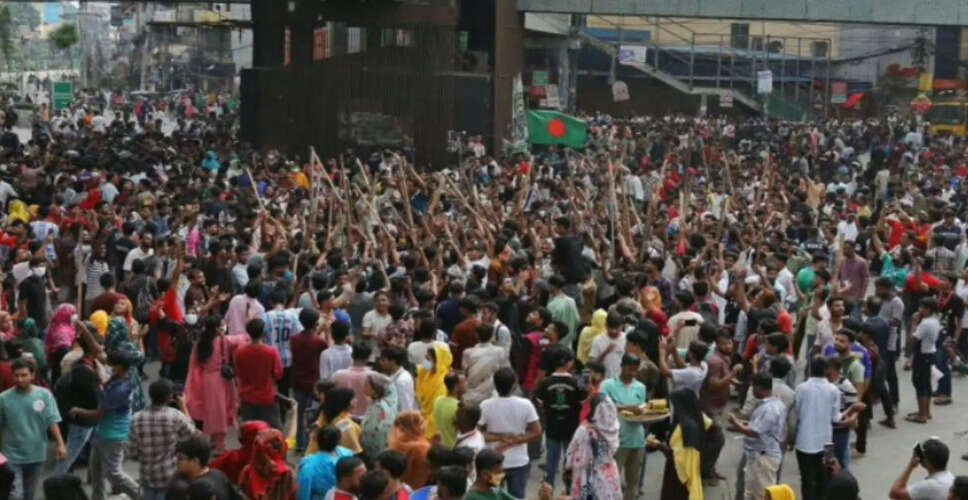
A file photo shows garment factory workers gathered in Dhaka, Bangladesh, protesting to demand a higher minimum wage(Photo: @Bangla_Guardian/X)
Dhaka, Nov 25: On Wednesday, Bangladesh announced a substantial increase in the minimum monthly wage for garment workers, raising it by 36% from USD 100 to USD 136. This decision follows extensive protests that led to factory shutdowns and production disruptions.
As the second-largest garment exporter globally, Bangladesh has faced escalating protests since October, with workers advocating for better pay.
The new wage was determined after a lengthy 12-hour meeting at the Minimum Wage Board in Dhaka, which started at 2 PM on Tuesday and concluded around 2 AM on Wednesday, according to reports.
The six-member board reached a decision through voting after factory owners and workers could not come to an agreement.
The Minimum Wage Board has set the new minimum wage for the ready-made garment (RMG) sector at Tk 17,000 (USD 136), a rise from the previous Tk 12,500 (USD 100), following multiple negotiation rounds.
This new wage structure is set to be implemented from December 1, with workers expected to receive their updated salaries in January, as per an earlier agreement between factory owners and workers' representatives.
Protests erupted in late October across key garment-producing regions in Bangladesh.
Workers have been pushing for a wage increase from Tk 12,500 (USD 100) to Tk 30,000 (USD 240), citing the rising costs of living, including food, housing, transportation, and healthcare.
The garment industry employs over four million individuals and contributes to more than 80% of the country's export earnings, making any disruption a significant concern for production schedules and international buyer confidence.
Babul Akhter, representing the workers on the board, noted that four members voted for Tk 17,000, while two supported the workers' proposal of Tk 18,000.
The board ultimately set Tk 17,000 as the minimum wage for fourth-grade garment workers, marking an increase of Tk 4,500 from the previous wage.
Sources from the board indicated that factory owners were amenable to Tk 17,000 but were not willing to increase their offer further.
Workers' representatives initially sought a minimum wage of Tk 32,000, later reducing it to Tk 22,000 and finally to Tk 18,000 during negotiations.
The previous minimum wage of Tk 12,500 was established in November 2023 and took effect in December of that year.
Factory owners have expressed concerns that ongoing disruptions during the peak production season could lead to shipment delays, affect buyer confidence, and result in order cancellations.
Bangladesh is a key supplier for major international fashion brands such as H&M, Zara, and Gap, and the sector is currently grappling with rising production costs, inflation, and fierce competition in global markets.