
Bangladesh Faces Political Turmoil Amidst Emergency Meeting
Political Crisis in Bangladesh
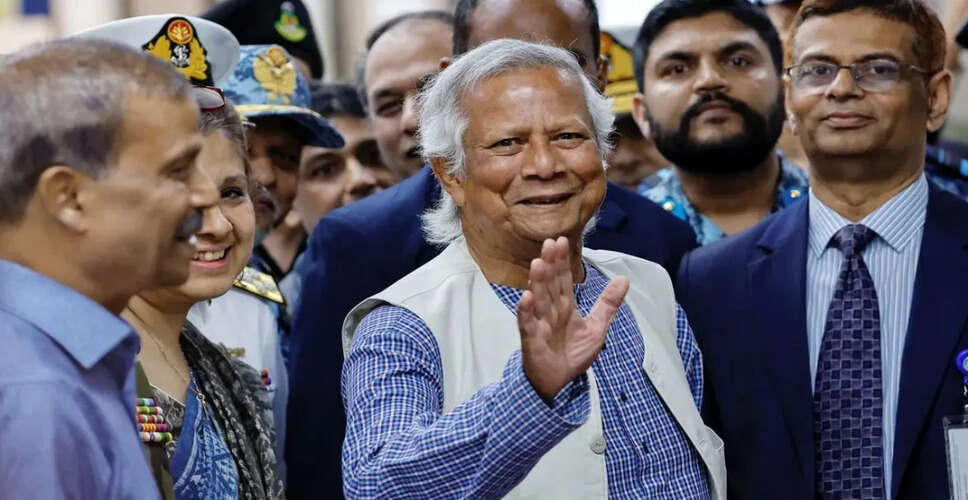
Bangladesh is currently grappling with a significant political crisis. The head of the interim government, Mohammad Yunus, convened an emergency meeting at a time when speculation about his resignation is intensifying. This unexpected gathering has raised numerous questions regarding the underlying political implications.
Is Yunus genuinely considering stepping down, or is this a strategic maneuver to balance the pressures from opposition forces and the military? Let's delve into the unfolding events.
Emergency Meeting Sparks Activity
On Saturday, Yunus called for an urgent meeting of the advisory council. This occurred concurrently with protests from opposition parties on the streets of Dhaka and statements from military leadership, escalating the tension. Following a regular meeting of the Executive Committee of the National Economic Council (ECNEC), Yunus gathered his ministers to convey the seriousness of the situation, indicating that a major decision could be imminent.
Speculations About Resignation
In recent days, discussions have intensified regarding Yunus potentially resigning. It has been suggested that he might step down if political parties do not cooperate. However, after the meeting, planning advisor Wahiduddin Mahmood clarified that Yunus has no intention of resigning and remains committed to his role, assuring that all advisors will continue to fulfill their responsibilities.
Meetings with BNP and Jamaat Leaders
Hours before the emergency meeting, Yunus had scheduled discussions with leaders from the Bangladesh Nationalist Party (BNP) and Jamaat-e-Islami. Press Secretary Shafiqul Alam confirmed that this meeting was intended to address the current political climate in Bangladesh, although the agenda was not disclosed.
Tensions Between Yunus and the Military
There is evident tension between Yunus and the Bangladeshi military regarding the timing of elections. While Yunus has stated that elections will be held by June 2026, military chief General Waker-uz-Zaman insists they should occur by December of this year. This disagreement raises concerns not only about the stability of the interim government but also about the future balance of power.
Opposition Pressure and Protests
The BNP and other opposition parties are actively demanding early elections. Thousands gathered in Dhaka on Thursday, calling for a clear election date. Despite Yunus's assurances, opposition parties remain dissatisfied with his announcements, complicating Yunus's position amid mounting pressure from both the opposition and military warnings.
Yunus's Stance on His Position
Yunus's special advisor, Faiz Ahmed Tayyab, posted on Facebook stating that the chief advisor is not resigning and does not seek power for its own sake. He emphasized that Yunus's presence is crucial for the democratic transition in the country. This statement indicates that Yunus views himself not merely as an official but as a responsible democratic leader committed to maintaining peace and ensuring the electoral process remains intact.