
Bangladesh Cricket Board Withdraws from T20 World Cup, ICC Faces Dilemma
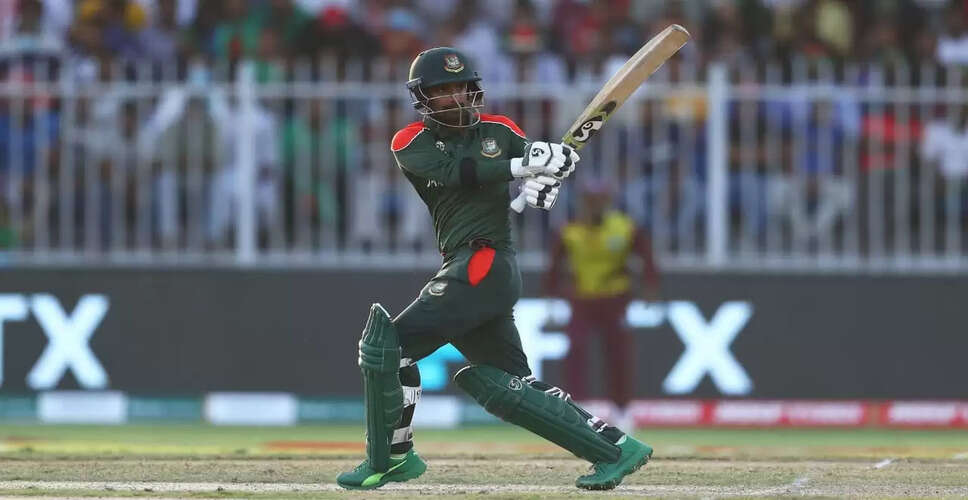
Bangladesh's Withdrawal from the T20 World Cup
As the 2026 ICC Men’s T20 World Cup approaches, significant upheaval has arisen following the Bangladesh Cricket Board's (BCB) announcement that it will not send its team to India. The BCB has officially requested the International Cricket Council (ICC) to move its matches, citing concerns from the government regarding the safety of players and staff.
This situation escalated after Kolkata Knight Riders released pacer Mustafizur Rahman ahead of the IPL season, reportedly under directives from the Indian cricket board. This development has fueled speculation about the deteriorating cricketing relationship between Bangladesh and India.
If the ICC denies Bangladesh's request and the team still travels, they are scheduled to compete in Group C against England, West Indies, Nepal, and Italy. Their first match is set for February 7 at Eden Gardens in Kolkata, followed by games at Wankhede Stadium in Mumbai.
Should the BCB choose not to travel despite the ICC's decision, Bangladesh would forfeit all group matches, resulting in their elimination from the tournament without any points—a rare occurrence in cricket history.
Historical precedents exist for such situations. In the 1996 ODI World Cup, Australia and West Indies opted out of matches in Sri Lanka after a bombing incident, leading to Sri Lanka being awarded points. Similarly, in 2003, England forfeited against Zimbabwe, and New Zealand withdrew from matches in Kenya, with both host nations receiving full points.
Changing the venues at this late stage seems impractical, as travel plans for teams and fans are already established. Adjusting locations could disrupt the overall tournament schedule, particularly if Bangladesh advances beyond the group stage.
The ICC could consider inviting a replacement team, as seen in the 2016 U19 World Cup when Ireland replaced Australia due to security issues. This would maintain balance in Group C but could introduce logistical complications.
Bangladesh's decision not to participate could also jeopardize their future qualification. After securing direct entry by finishing in the top eight at the 2024 edition, forfeiting matches now could push them out of contention for automatic qualification for the next World Cup.
Financial implications are also significant. In the 2024 T20 World Cup, prize money ranged from $2.45 million for the champions to $225,000 for lower-ranked teams, with additional earnings for each match won. A group-stage exit would result in substantial revenue loss for the BCB, while the BCCI might seek compensation for the abandoned matches.
The ICC is under increasing pressure to address this issue promptly, balancing the concerns of Bangladesh with the integrity of the tournament schedule.