
Bangladesh Awami League Accuses Interim Government of Undermining Democracy
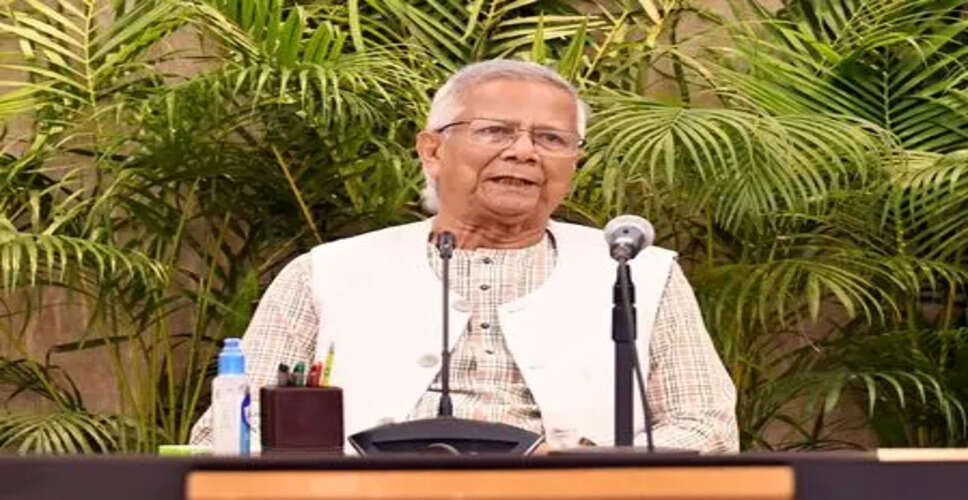
Political Turmoil in Bangladesh
Dhaka, Dec 4: The Awami League of Bangladesh has claimed that the Chief Advisor of the interim government, Muhammad Yunus, has effectively barred nearly 40% of the electorate from participating in the upcoming February 2026 elections by halting all party activities.
The party argues that this unilateral decision has transformed the forthcoming elections into a mere "staged event" devoid of genuine competition.
According to the Awami League, Yunus's suspension of their activities represents not just an administrative move but a significant political suppression unprecedented in the nation's history. They assert that this action has silenced the largest political entity in the country and marginalized a substantial portion of the electorate without any public discourse or legal process.
The party contends that this is part of a deliberate strategy, warning that sidelining the Awami League is allowing radical Islamist factions like Jamaat-e-Islami and Hefazat-e-Islam to gain unprecedented influence.
"As Yunus excludes millions from the democratic process, he is inadvertently empowering extremist groups that Bangladesh has historically sought to control. Lacking popular backing, he has turned to these factions for support, granting them legitimacy and protection in exchange for their political backing," the Awami League stated.
Moreover, the party highlighted a troubling trend of increasing attacks on women's rights, heightened pressure on minority communities, and a rise in moral policing within society.
"Gradually, Bangladesh is being directed towards a concerning trajectory reminiscent of Taliban-like governance, not through street-level radicals but through decisions made at the highest levels of government," the Awami League expressed.
By prohibiting the Awami League from participating, Yunus has allegedly transformed the election into a preordained event, leading to an "Islamist-influenced" regime that lacks genuine electoral significance.
"This mirrors the Taliban model: elections conducted for show, with power dynamics predetermined," the Awami League remarked.
As extremist groups gain traction, the party cautioned that Bangladesh is facing escalating intolerance, diminishing freedoms, and an increasing threat to minority rights. This instability, they argue, poses risks beyond national borders, jeopardizing regional security and harming the country's international reputation.