
Avoid These 5 Vegetables in a Pressure Cooker for Better Health
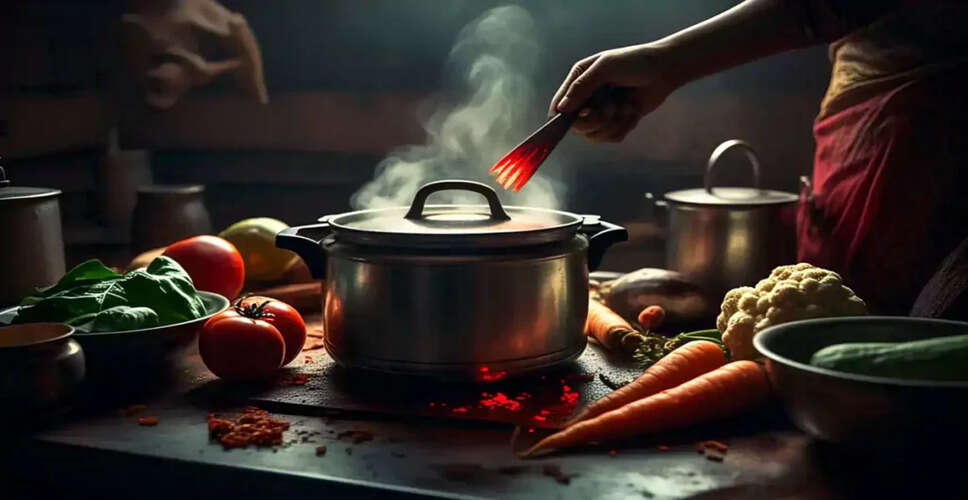

Harmful Vegetables in Pressure Cookers
Understanding the Risks: The pressure cooker has become an essential tool in many kitchens, known for saving both time and energy during cooking. However, it’s crucial to recognize that cooking certain foods in a pressure cooker can adversely affect their nutritional value and overall health benefits.
Let’s explore five types of foods that should be avoided when using a pressure cooker.
1. Potatoes: Cooking potatoes in a pressure cooker can lead to the loss of essential nutrients. Prolonged cooking under pressure diminishes the vitamins and minerals present in potatoes, which can be detrimental, especially for those focused on a balanced diet.
2. Rice: When rice is cooked in a pressure cooker, it can release a chemical called acrylamide from the starch. This substance is considered harmful to health and is linked to digestive issues and other ailments.
3. Spinach: Leafy greens like spinach can increase their oxalate content when cooked in a pressure cooker. High levels of oxalate are a significant contributor to kidney stone formation. Therefore, it’s healthier to cook spinach lightly or by steaming.
4. Fried Foods: Attempting to cook fried foods in a pressure cooker can ruin their flavor and texture. It’s advisable to stick to traditional cooking methods for fried items.
5. Beans: Beans contain a toxin known as lectin. If cooked in a pressure cooker, this toxin may not be adequately destroyed, leading to digestive issues. Soaking beans before cooking and using low heat is a safer approach. Proper use of a pressure cooker not only enhances the taste of your meals but also helps maintain your health. By avoiding the above foods in a pressure cooker, you can make your diet more nutritious and safe.