
Avalanche Warning Issued in Jammu and Kashmir Amid Heavy Snowfall
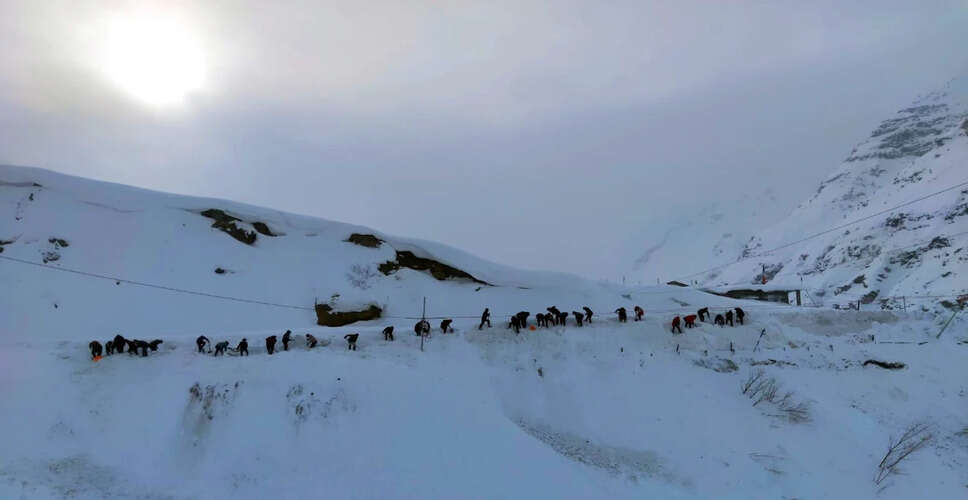
Avalanche Alerts in Jammu and Kashmir
In light of the recent heavy snowfall in the higher regions of Jammu and Kashmir, authorities have issued avalanche warnings for five districts in the union territory on Wednesday. Officials reported that the districts of Doda, Ganderbal, Kishtwar, Poonch, and Ramban are under a low-risk avalanche alert. They indicated that avalanches could occur at elevations above 2,800 meters in these areas over the next 24 hours.
Residents are advised to steer clear of regions prone to avalanches and to adhere to the guidelines provided by the government. This week, many of the higher areas in Jammu and Kashmir have experienced light to heavy snowfall.
Understanding Avalanches
An avalanche is a large mass of snow and debris that rapidly descends down a slope. Typically, an avalanche begins when the material on a slope becomes dislodged from its surroundings, leading to a rapid accumulation that drags more material down the slope.
There are various types of avalanches, including rocky avalanches (composed of large fragments of broken rock), snow avalanches (often occurring near glaciers), and debris avalanches (which consist of a mix of loose materials like stones and soil). Snow avalanches, which are the focus of this article, are a common occurrence in many mountainous regions.