
Assam's Vigilance Against COVID-19: Preparedness Amidst New Cases
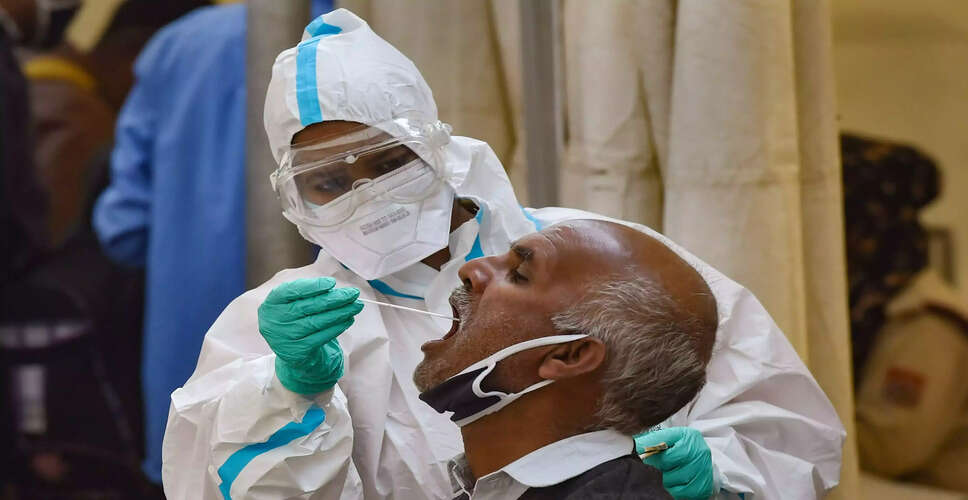
Ongoing Monitoring of COVID-19 in Assam
Although the global emergency status of COVID-19 has diminished, the virus continues to resurface in intermittent waves, necessitating ongoing vigilance from public health authorities. Currently, Assam has reported eight active cases, prompting a renewed focus on health surveillance in the state.
On a national scale, there are over 6,000 active cases and 65 fatalities linked to the recent surge. The Indian Council of Medical Research (ICMR) has pinpointed the JN.1 Omicron subvariant as the leading strain responsible for this increase, along with other variants such as LF.7, XFG, and NB.1.8.1. While these strains are more contagious, they are deemed to be less severe.
ICMR Director General Dr. Rajeev Bahl reassured the public, stating, “There’s no need for alarm, but we must stay alert and ready,” highlighting that the severity of cases remains low, particularly among individuals without underlying health conditions.
Healthcare Facilities on High Alert
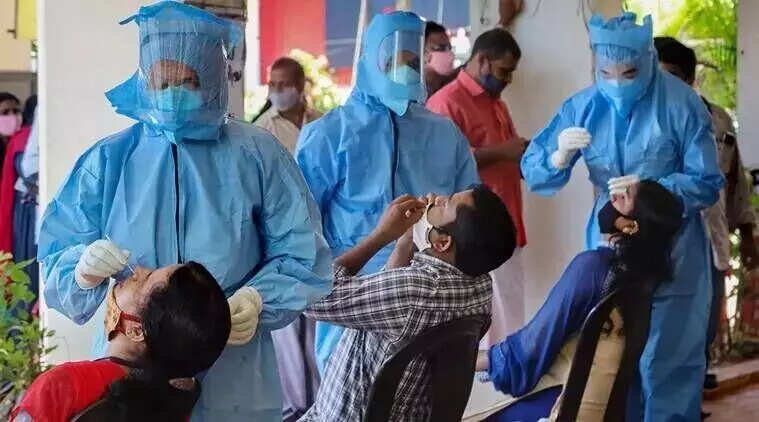
People taking Covid test (Photo: PTI)
As the monsoon season approaches, which typically sees a spike in infections, health authorities are reminded of the importance of preparedness. In Assam, mock drills have been executed at crucial healthcare centers, including the Baidyabori sub-health center in Morigaon and various institutions in Darrang, to evaluate emergency response capabilities and the readiness of healthcare personnel.
With the state enhancing its defenses, a pressing question arises: how equipped is Guwahati, the largest city in Assam, should the virus resurge significantly?
Hospitals Prepared for Potential COVID-19 Resurgence
Hospitals ready, not rattled
The adage “once bitten, twice shy” resonates with hospitals in Guwahati as they prepare for a potential increase in COVID-19 cases nationwide.
Dr. Sashibha Barman, MD and Deputy Medical Superintendent at Nemcare Hospitals Private Limited, shared their proactive stance: “Hospitals are much better equipped now. During the initial wave, there was uncertainty, but now most facilities, including ours, have dedicated COVID-19 wards. We operate a fully functional RT-PCR lab with a turnaround time of just 3 to 4 hours. Although Nemcare has not identified any active cases in this wave, we are ready.”
Dr. Barman also stressed the importance of educating patients. “We offer guidance to patients on actions to take if they experience COVID-like symptoms. The media should also play a role in disseminating this information,” she added.
Educational Institutions Preparing for Disruptions
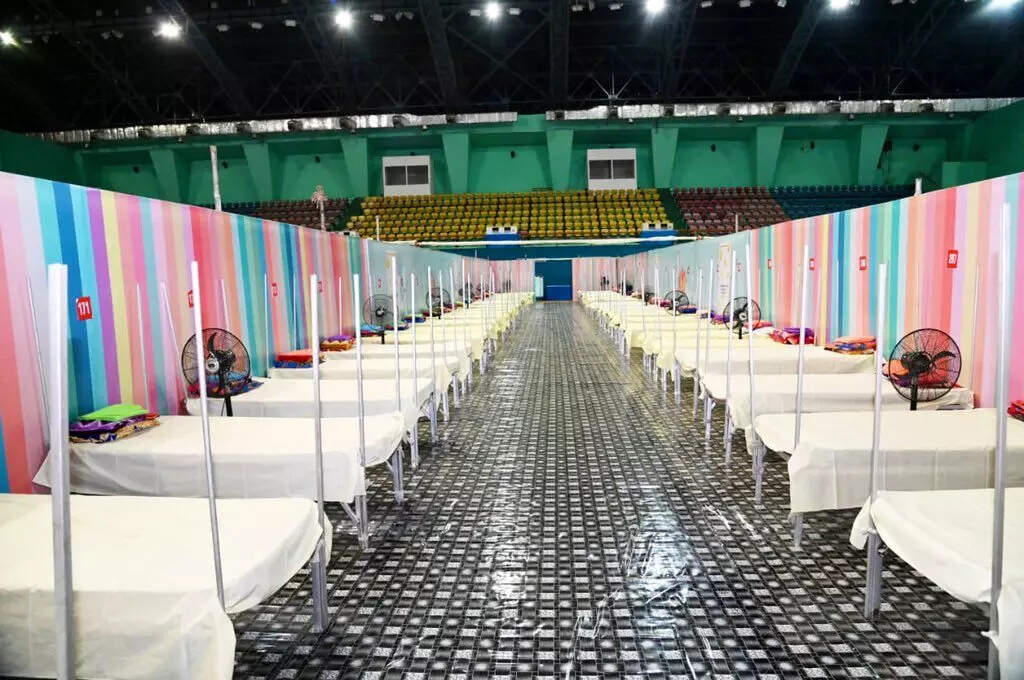
The 400-bedded Covid care center in Sarusajai built during the initial wave (Photo: @himantabiswa / X)
At Gauhati Medical College and Hospital (GMCH), similar precautions are in effect. Dr. Manashjyoti Saikia, Assistant Professor of Pulmonary Medicine, explained, “We classify COVID variants by their severity and transmission potential. The current variant is highly contagious but not severe, resembling common cold symptoms like fever and flu. GMCH has a dedicated unit prepared for any eventuality.”
He added, “Individuals, particularly the elderly and those with conditions such as cancer, kidney disease, or respiratory issues, should remain cautious. Vaccination and booster doses are essential. Many have missed their boosters, which poses a risk. We also encourage everyone to resume wearing masks and maintaining hand hygiene.”
Concerns Over Online Learning
Schools ready digital tools
In addition to hospitals, educational institutions are also gearing up for possible interruptions. Sister Jessy Nedumala, Principal of St. Mary’s School, expressed her worries about a potential return to online classes.
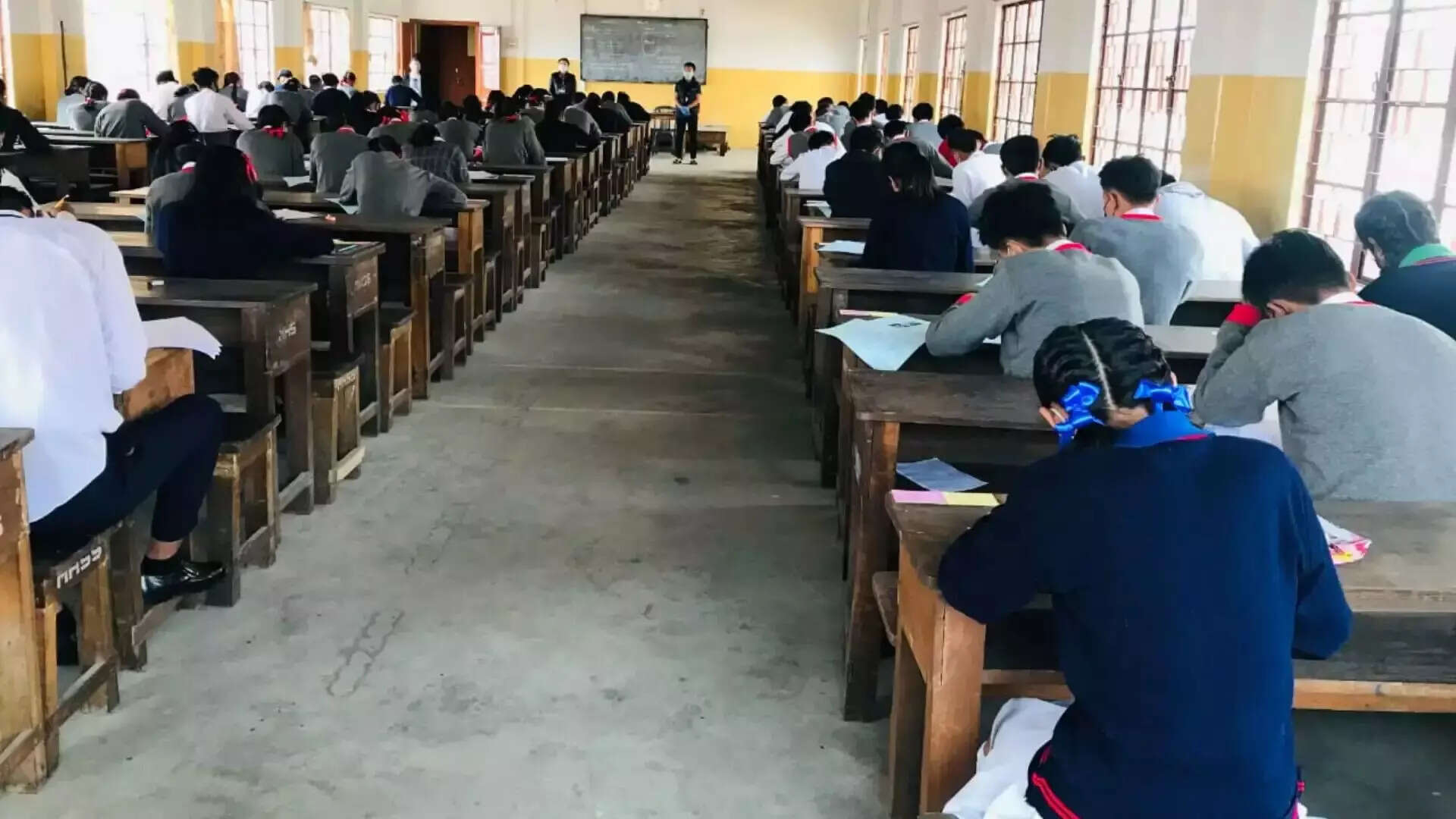
Offline classes underway after Covid (Representational image)
She stated, “If mandated by the government, we will comply. However, online learning significantly impacts young children—teachers struggle to monitor their engagement. Post-pandemic, mobile addiction among students has become a serious concern.”
She also noted that academic evaluations suffered. “During online assessments, performance declined, making it challenging to evaluate students accurately. I sincerely hope we do not face another wave,” she expressed.
Papori Mahanta, a private school teacher, shared similar sentiments, stating, “Online teaching is difficult—students are easily distracted at home and often do not focus. During assessments, it’s hard to determine if they are genuinely answering or just copying, complicating the evaluation of their true understanding.”
Embracing Digital Learning
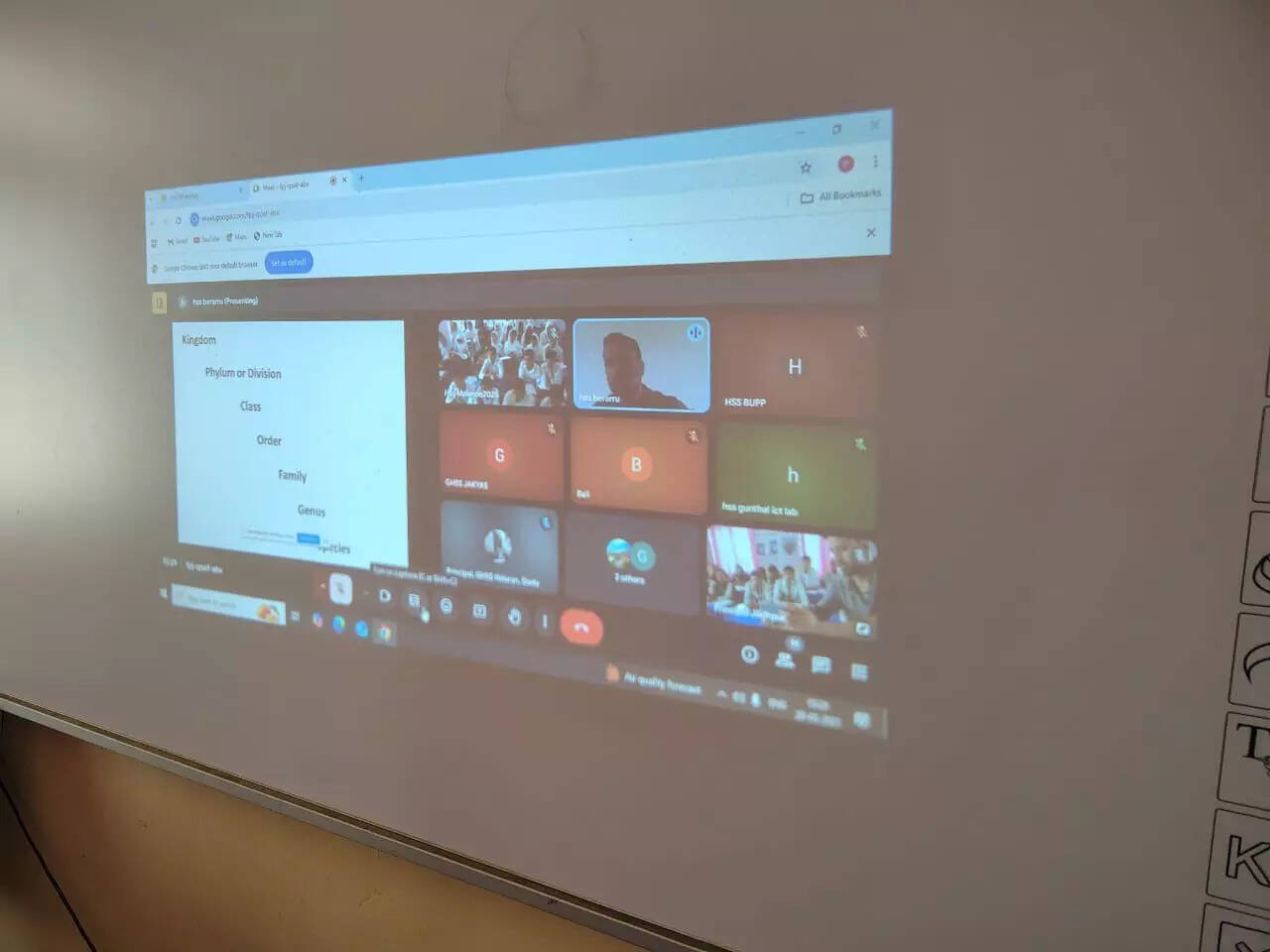
A screen showing an online class in progress (Photo: @SchoolEdujkut / X)
Fr. George Thomas, Principal of SFS School, offered a different viewpoint, stating that his institution has adapted to digital learning. “We are fully prepared for COVID. In fact, we had already resumed online classes due to the floods. During the first wave, we were among the first to initiate online parent-teacher meetings. Interestingly, after a full year of virtual learning, our offline final exam results improved compared to the previous year, demonstrating that with proper planning, online education can be effective,” he remarked.
Fr. Thomas added that the school now conducts online classes once a month. “We cannot completely eliminate screens from children’s lives—they are now an integral part of our world. What matters is how we guide children to use technology wisely, ensuring it does not negatively impact them,” he concluded.
The Ongoing Challenge of COVID-19

Social distancing at a tea garden in Cachar (Photo: @assampolice / X)
While the recent cases in Assam and neighboring states have not yet resulted in severe outcomes, they serve as a crucial reminder that the battle against COVID-19 is far from over. Although the virus may no longer instill widespread panic, it continues to test our preparedness, emphasizing that readiness remains our most effective defense.