
Assam's Temple Tourism Set to Soar with New Ropeway Projects

Boosting Temple Tourism in Assam
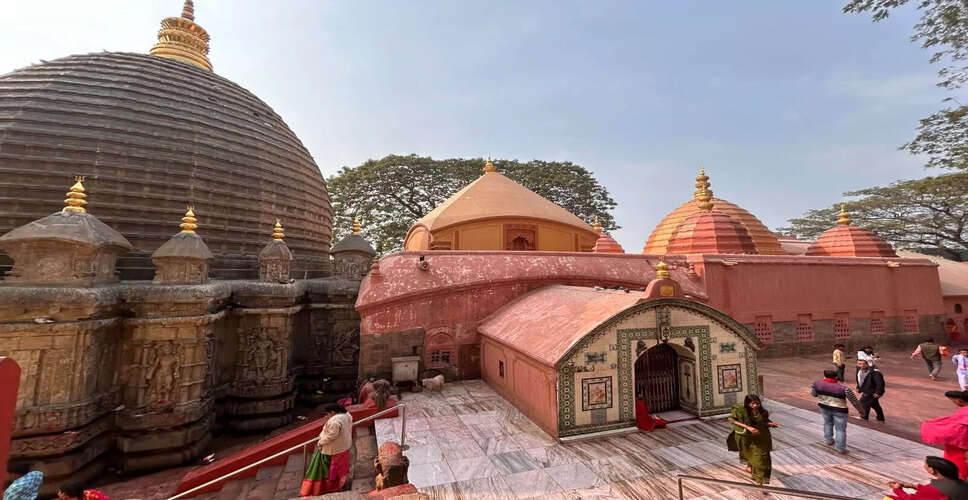
Kamakhya temple
The temple tourism sector in Assam is poised for significant enhancement as the state government collaborates with the Centre on five new ropeway projects. Three of these projects are designed to link key religious sites.
The proposed routes include a connection from Kamakhya Railway Station to the Kamakhya Temple in Guwahati, another from Ganganagar Part-VII to the Bhuban Pahar Mahadev Temple in Barak Valley, and a route from Agnigarh Hill to the Bhairabi Temple in Sonitpur.
Additionally, two other routes will connect Khanapara to Guwahati Railway Station and the Jatinga Bird Watching Tower to Hempupet Peak.
Chief Minister Himanta Biswa Sarma revealed these plans following a Cabinet meeting, stating that a joint venture will be established, with the Centre holding a 51% stake and Assam's government 49%.
“We are set to develop these five projects in collaboration with the Government of India. We will seek agencies for construction and offer incentives like Viability Gap Funding where necessary. Significant progress has already been made on the Kamakhya ropeway,” the Chief Minister noted.
This initiative promises to provide pilgrims with a more convenient journey to temples located on hills or those accessible via difficult roads. For Assam's tourism industry, it represents a chance to attract visitors beyond Guwahati and showcase more of the state's religious heritage.
Focusing on Kamakhya Temple
The ropeway to Kamakhya Temple is expected to be the standout project among the five. As one of Assam's most renowned pilgrimage sites, the temple draws devotees nationwide, especially during the annual Ambubachi Mela.
The 1.43-kilometer ropeway from Kamakhya Railway Station to the temple is projected to cost Rs 201 crore. It is anticipated to reduce travel time for train passengers by 55 to 60%. With a capacity of approximately 1,000 passengers per hour in each direction and a journey time of about seven minutes, it could significantly ease the pilgrimage experience.
This ropeway may also alleviate road congestion, particularly during large religious events when many devotees flock to the temple.
The project is currently in the tendering phase, with National Highways Logistics Management Limited (NHLML) issuing tenders on June 24 last year for its design, construction, operation, and maintenance. The state government initially aimed for completion by June 2026.
“We support developments that facilitate easier access for devotees to the temple. However, Kamakhya is an ancient and sacred site, and it is crucial that its existing structures and relics remain intact during this process. We have no objections to infrastructure improvements as long as the temple's sanctity and heritage are preserved,” stated Himadri Sarma, the Saru-Doloi of Kamakhya Temple.
The ongoing Rs 500-crore Kamakhya Corridor project is expected to be completed before the ropeway is operational.
Highlighting Lesser-Known Temples
In addition to Kamakhya, the new ropeways aim to bring attention to other religious sites in Assam. The route from Ganganagar Part-VII to Bhuban Pahar Mahadev Temple could enhance access to this shrine in Barak Valley, while the link between Agnigarh Hill and Bhairabi Temple could simplify access to the Sonitpur area.
For pilgrims, improved connectivity means reduced travel time and a more straightforward journey to the temples. For local communities, increased visitor traffic could foster opportunities for tourism-related businesses, although the extent of economic benefits will depend on the development and management of these projects.
The plan also includes a ropeway from Jatinga Bird Watching Tower to Hempupet Peak, along with a route connecting Khanapara to Guwahati Railway Station. Collectively, these five projects aim to enhance connectivity at both religious and other tourist sites.
These initiatives are at various stages of preparation, and their impact on temple tourism will hinge on the speed at which they transition from planning to construction and operation.