
Assam's Rooftop Solar Initiative: A Game Changer for Households
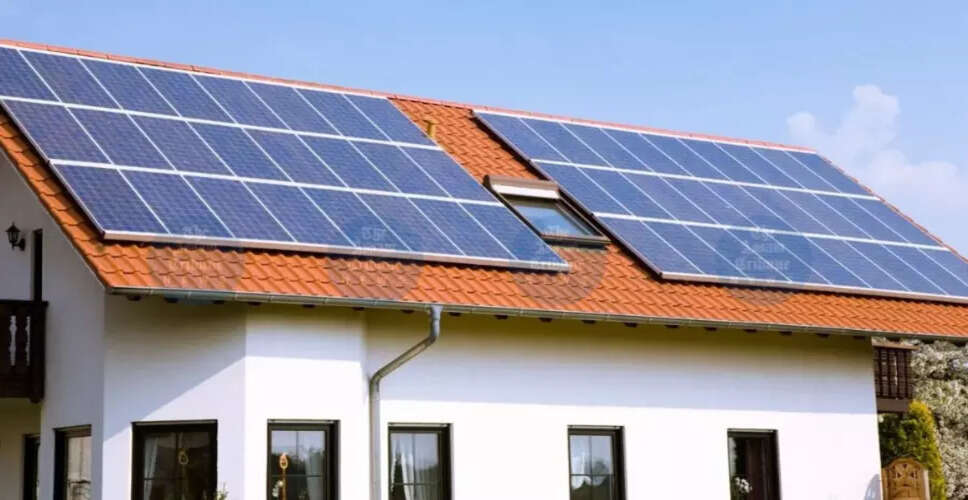

Significant Savings with Solar Power
File image
Guwahati, Sept 5: Rekha Bhattacharyya from Jorhat has experienced a remarkable change in her electricity expenses since switching to solar energy.
In July 2025, her electricity bill amounted to Rs 5,732. However, after installing a 3-kW rooftop solar system, her bill for the same month this year dropped to Rs 2,692, marking a reduction of nearly 53%.
During the winter months, her savings were even more pronounced, with bills decreasing by as much as 72%.
“In total, I have saved around Rs 20,000 over the past year. The solar system has proven to be a worthwhile investment, and I anticipate recovering my costs in a few months,” Bhattacharyya remarked.
This trend is becoming common across Assam, where the PM Surya Ghar: Muft Bijli Yojana is facilitating the installation of rooftop solar systems, significantly reducing reliance on traditional grid power.
According to official reports, over 1.10 lakh electricity users in the state are currently enjoying zero electricity bills after adopting rooftop solar technology.
With a target of 2.18 lakh households, Assam has successfully completed 1,80,479 rooftop solar installations under this initiative, receiving a total of 3,95,366 applications.
“Approximately 60% of beneficiaries received zero bills last month, with many consistently enjoying this benefit for the past six months, showcasing the scheme's lasting impact,” officials stated.
The cumulative rooftop solar capacity in the state has reached around 600 MW due to these installations.
Financial support has been crucial in promoting this transition. The central government has allocated Rs 1,287 crore in financial aid to 1,50,487 beneficiaries, while the state has provided Rs 86.14 crore in subsidies to 19,439 beneficiaries.
The majority of households have opted for 3-kW systems, with 1,67,788 installations, while about 20,800 households have chosen systems exceeding 3 kW.
The rise in rooftop solar adoption also allows households to earn or save money through surplus energy generation. Under the net-metering system, excess electricity produced by a rooftop system and sent back to the grid is credited as energy credits, which can offset future electricity usage or be settled periodically based on state regulations.
Assam Power Distribution Company Limited (APDCL) has implemented net metering for residential users with rooftop solar systems up to 10 kW. This system allows solar energy exported to the grid to be deducted from the electricity consumed from it.
The financial advantages of this system are already evident. By the end of the 2024-25 fiscal year, approximately Rs 84 lakh was settled for excess solar energy generated by net-metered users, while the previous financial year saw settlements totaling Rs 17.28 crore.
With subsidies reducing initial costs, rooftop solar has become increasingly accessible for households. Currently, the combined Central and State subsidy amounts to around Rs 45,000 for a 1-kW system, Rs 90,000 for a 2-kW system, and Rs 1.23 lakh for a 3-kW residential rooftop solar system.