
Assam's Rising Financial Liabilities: A Closer Look at State Debt Trends

Overview of Assam's Financial Liabilities
Representational image
Guwahati, June 18: Between the financial years 2015-16 and 2024-25, the total liabilities across all states surged by 190%, with Assam recording the third highest increase in the nation.
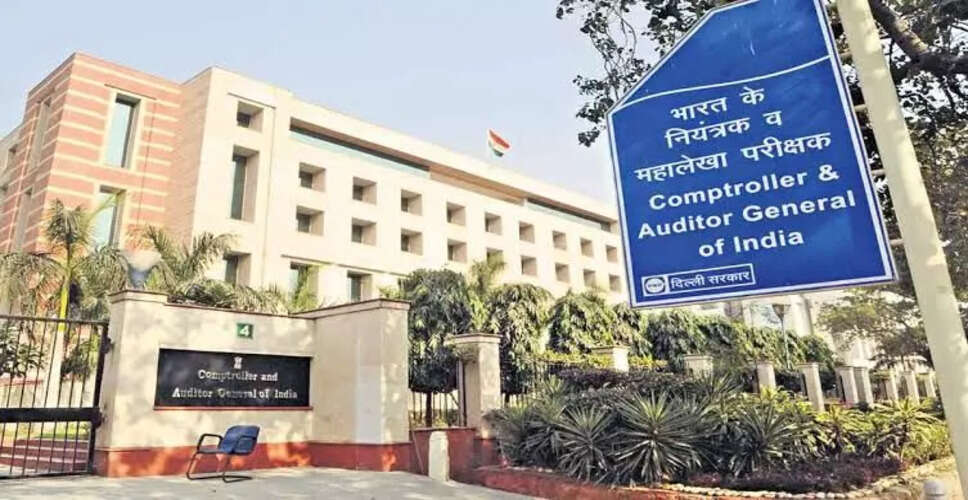
According to a report from the Comptroller and Auditor General of India (CAG) on State Finances for 2024-25, the rise in liabilities varied greatly among states, with increases ranging from 108% in Gujarat to a staggering 376% in Sikkim. Assam's increase of 341% was notably above the average for all states, alongside Telangana (357%) and Chhattisgarh (305%).
During this timeframe, the internal debt of all states, which constitutes the largest share of state borrowings, escalated by 205%, climbing from Rs 22,45,521 crore to Rs 68,59,052 crore. Assam experienced a remarkable 415% increase in internal debt, ranking among the highest alongside Arunachal Pradesh (389%) and Chhattisgarh (361%). In contrast, states like Jharkhand (59%), Gujarat (101%), and Tripura (113%) saw the least growth in internal debt.
Notably, Assam's loans and advances from the Central government surged by 1,369%, marking the sixth highest increase in the country.
The report emphasized that the review of public debt and liabilities from 2015-16 to 2024-25 indicates a consistent rise in total liabilities, highlighting an increasing reliance on borrowings to meet budgetary needs.
Furthermore, Assam was among 14 states that experienced a significant rise in fiscal deficit for the year 2024-25 compared to 2023-24. Additionally, it was one of 15 states where revenue expenditure surpassed revenue receipts, leading to a revenue deficit for that financial year.
Another key finding from the audit revealed that since the implementation of GST in 2018-19, the average annual growth of revenue from SGST has outpaced the growth of states' own tax revenue (SOTR) in nearly all states, with exceptions including Assam, Chhattisgarh, Goa, Jharkhand, Manipur, and Tripura.
In ten states, including Assam, expenditure on subsidies constituted less than two percent of total expenditure. This relatively low level of subsidies is attributed to smaller consumer bases and limited industrial and irrigation activities, with subsidies primarily allocated to transport, food, and social sector support rather than energy or agriculture.