
Assam's Potters Strive to Keep Tradition Alive Amid Modern Challenges
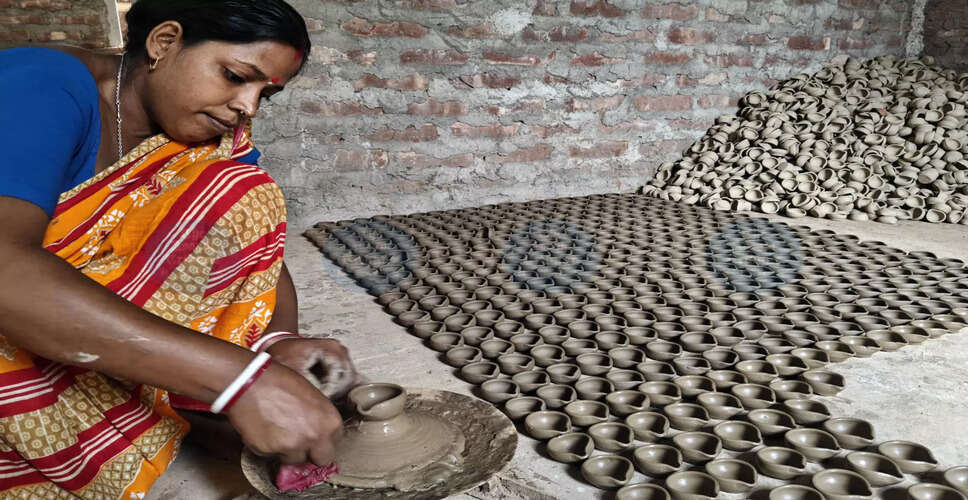

Pottery Crafting Intensifies Before Diwali
the potter's wheel
Bipasha Pal, daughter-in-law of Sonil Pal, works at the potter’s wheel. (Photo: Kangkan Bordoloi/Media House)
As Diwali approaches in just four days, potters in Assam are working tirelessly through the night to fulfill the increasing demand for earthen lamps.
From early morning until late at night, families are crafting thousands of diyas, striving to preserve a traditional craft that faces threats from evolving consumer tastes, production hurdles, and low financial returns.
In Chandrapur, the Pal family exemplifies this dedication. The days leading up to Diwali are filled with long hours of labor, with nearly every family member contributing to the creation of earthen lamps.
Although this festive rush occurs annually, pottery has been a lifelong pursuit for the family, handed down through generations.
“Our family has been involved in pottery since my great-grandfather's time. My father learned from my grandfather, and we learned from our father. Now, my son and daughter-in-law are also part of this tradition. We have maintained this craft through generations, learning by observing our elders since childhood,” shared Pal.
Challenges Facing Traditional Pottery
However, sustaining this tradition is becoming increasingly challenging. The rise of Chinese decorative lights and colorful electric lamps has shifted consumer preferences, impacting the demand for traditional earthen diyas.
Moreover, limited profits, physically demanding work, and difficulties in sourcing appropriate raw materials have compounded these challenges, making it harder for families to continue this occupation.
“This work demands immense patience. It’s not easy for the younger generation to pursue pottery, as earning a living through this craft involves significant hardship. We manage to survive through this work, and we also create idols, which helps sustain our livelihood,” he explained.
Understanding the Cost of Each Diya
Creating an earthen lamp involves multiple steps, from sourcing and preparing clay to shaping it on the potter’s wheel and firing the finished product in a kiln.
Each phase requires time and care, with the quality of raw materials being crucial to the final product.
“We buy clay and mix it with local soil. After preparing the mixture, we use it on the potter’s wheel to create various items,” Pal noted.
Finding suitable clay has become another significant obstacle.
Bipasha Pal, Sonil Pal’s daughter-in-law, mentioned that the family typically obtains sticky clay from pond beds, as the quality of the soil affects the durability of the finished products.
“Nowadays, it’s challenging to find suitable clay. If the clay isn’t right, the products tend to break during production. The shortage of appropriate clay has become a major issue for us,” she added.
Family Dynamics in Pottery Production
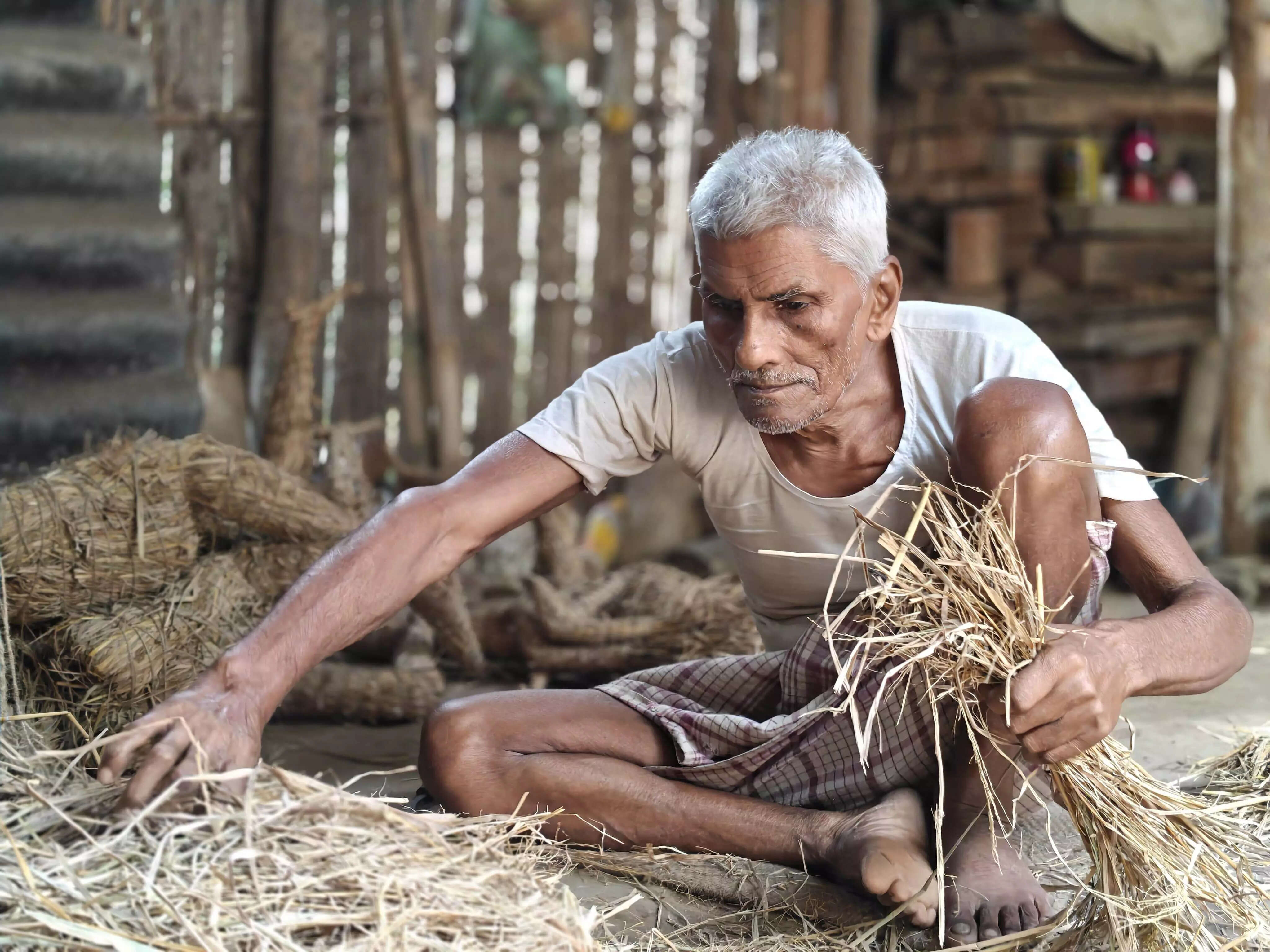
Within the family, tasks are divided, with women primarily crafting the products while men handle sales at the market.
Due to the absence of a permanent marketplace nearby, the family relies heavily on local markets and weekly bazaars to reach their customers.
Despite the extensive labor involved, the financial returns remain modest. Pal mentioned that wholesale buyers pay only Rs 80 for every 100 earthen lamps, while retail sales yield around Re 1 each.
“Despite our hard work, we often do not receive a fair price for our products,” he lamented.
Embracing Technology for a Sustainable Future
More Diyas, Less Labor: Potters Consider Mechanization
For the younger generation, technology could provide a solution to make pottery less labor-intensive and more economically viable.
They view mechanization not as abandoning their ancestral craft but as a way to boost production, reduce physical strain, and enhance earnings.
“If we can introduce machinery, it will simplify our work and increase output. Currently, we produce about 1,000 lamps daily by hand. With machinery, we could potentially raise that to around 2,500 lamps a day,” another family member stated.
Bipasha emphasized that access to appropriate machinery could alleviate the physical demands of their work and help the family adapt to modern times.
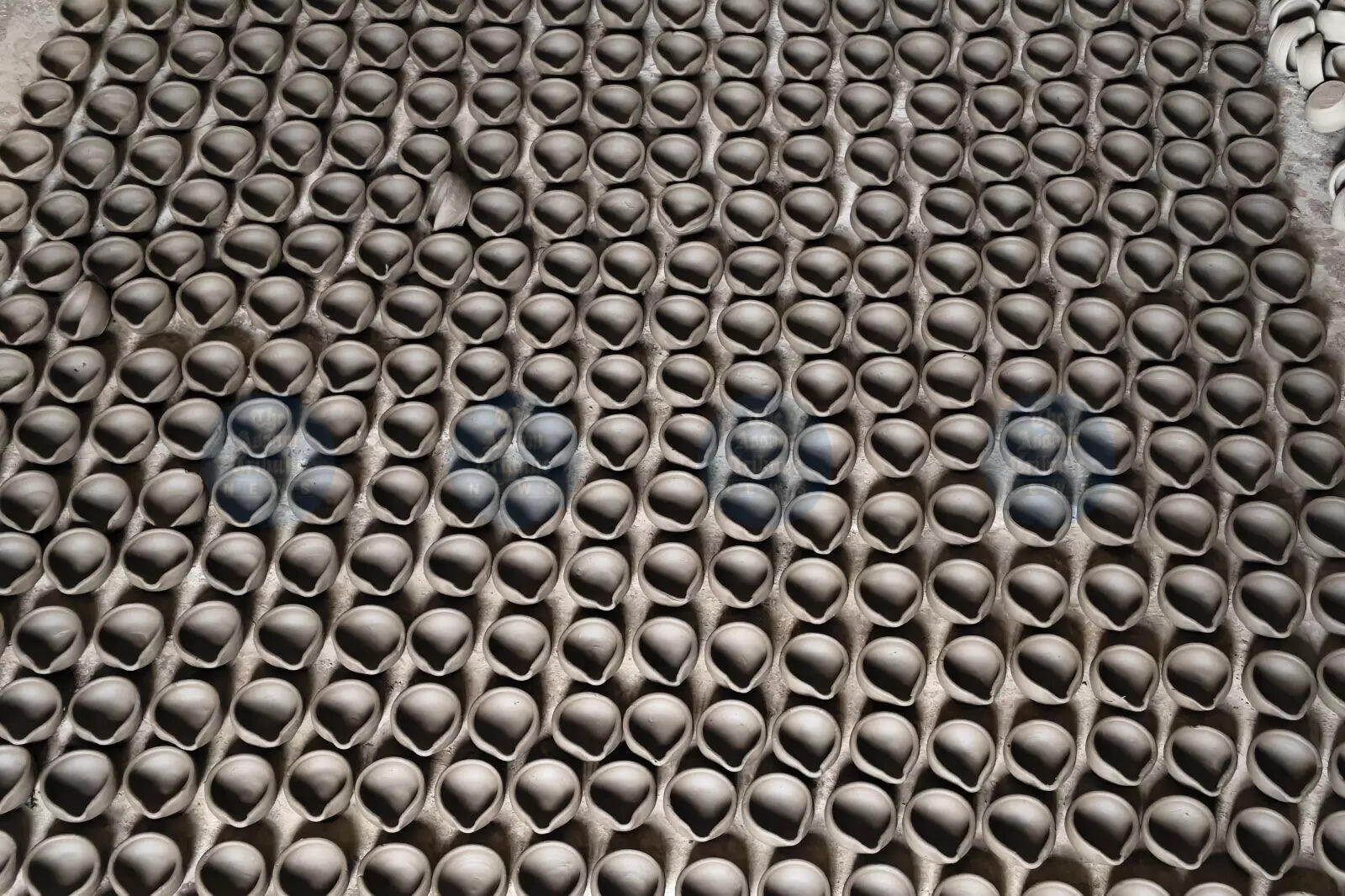
“Having access to suitable machinery would significantly reduce our physical labor. As technology advances in every sector, we also hope to see such innovations in the pottery industry,” she concluded.
Despite the obstacles, the Pal family’s creations reach customers beyond Chandrapur, with supplies extending to Hajo, Rangia, and parts of Barpeta district.
The artisans believe that improved market access could help them connect with more customers and enhance their livelihoods.
As Diwali nears and homes prepare to illuminate with festive lights, the Pal family continues their work.
Each diya embodies generations of skill and countless hours of effort, showcasing a family's commitment to preserving their ancestral craft amidst evolving market dynamics.