
Assam Government Proposes New Authority for Satellite City Development

Introduction of the Guwahati Satellite City Development Authority Bill
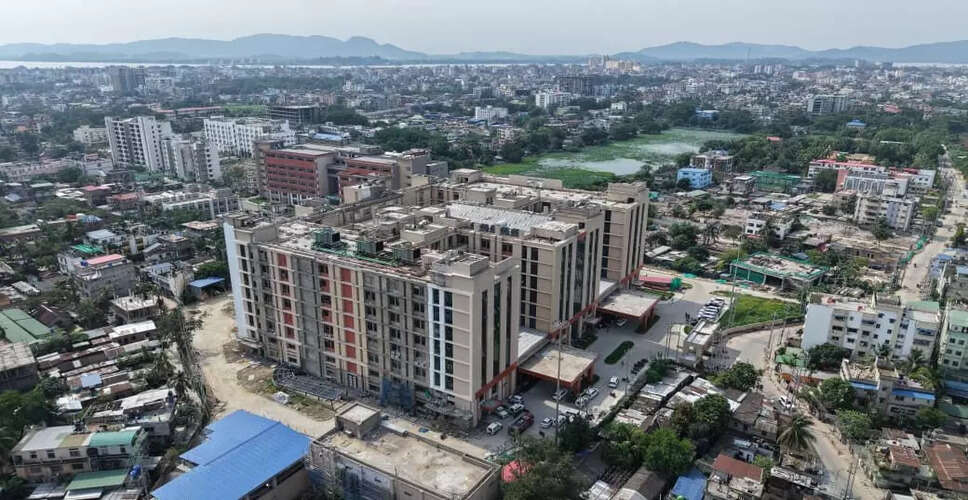
Aerial view of the Guwahati skyline. (Representational image) (Photo:@himantabiswa/X)
Guwahati, Jul 9: On Thursday, the Assam government announced plans to establish a new authority aimed at fostering the development of designated townships and satellite cities within the state.
The introduction of the Guwahati Satellite City Development Authority Bill, 2026, was made in the Assam assembly to facilitate this initiative.
Housing and Urban Affairs Minister Kaushik Rai explained that the proposed body, named the “Guwahati Satellite Cities Development Authority (GSCDA),” will be responsible for overseeing these developments.
According to the Bill's Statement of Objects and Reasons, the authority's mission is to promote and ensure the growth of designated townships and satellite cities as determined by the State Government.
Currently, the planning and execution of township development are scattered across various government entities, leading to overlapping decision-making processes, the minister noted.
To effectively tackle the identified needs and challenges, a centralized institution is proposed to be established, focusing on identifying future urban growth corridors.
The new authority will also work on consolidating adjacent land designated for planning and developing satellite cities, integrating transport, housing, and economic infrastructure with existing civil facilities, while also facilitating funding and encouraging private investments to achieve these objectives.
Rai emphasized that this specialized institution will be tasked with providing strategic direction, integrated planning, and efficient execution of development plans for the designated areas.
He pointed out that Assam has experienced rapid urbanization and population growth, which has significantly increased pressure on existing urban centers, especially around Guwahati's municipal limits.
The growing demand for healthcare and other essential services in these urban areas has put a strain on current civic infrastructure, leading to environmental stress and regulatory challenges.
Rai concluded by stating the necessity to explore and establish new economic growth avenues that can attract investments and create sustainable employment opportunities.