
Assam Faces Severe Rainfall Deficit: Urgent Action Needed to Combat Drought
Critical Situation in Assam
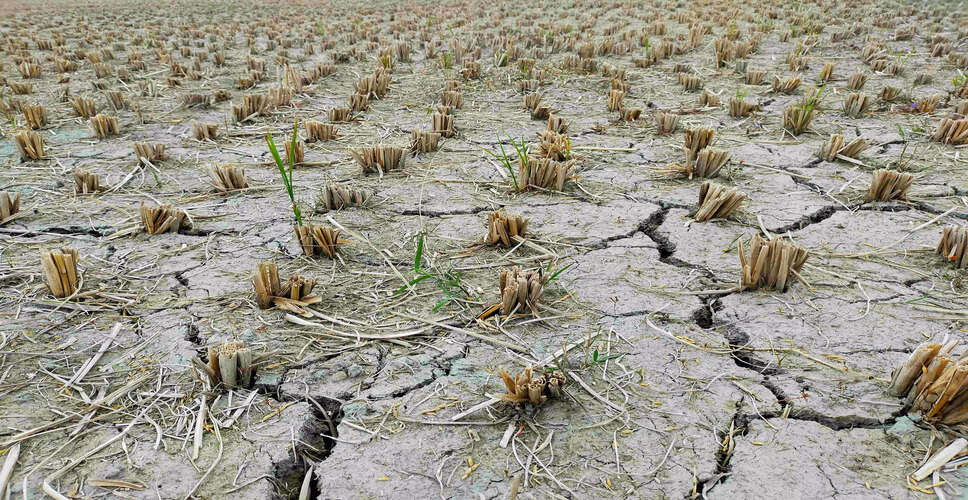
Assam is currently experiencing a significant crisis, with over half of the state suffering from a drastic rainfall shortfall of 43% below the normal levels. This situation poses a serious threat to the agricultural sector, which is vital for the livelihoods of more than 70% of the population.
Despite the state government's reluctance to officially label the situation as a 'drought' or 'drought-like,' farmers, particularly in western Assam, are facing severe challenges, with some districts reporting deficits of 60% to 80%. The failure of the monsoon has occurred at a critical time for farmers, coinciding with the transplantation period for Sali paddy, the state's primary rice crop. This has resulted in both reduced productivity and increased rural distress. The Assam Agricultural University (AAU) is working on a contingency plan to assist farmers, but its effectiveness will depend on proper implementation.
To combat the crisis, AAU is promoting the use of short-duration paddy varieties, direct seeding techniques, and drought-resistant crops such as black gram, millet, and maize, aiming to provide farmers with alternatives as rainfall becomes scarce.
However, scientific solutions alone cannot address the challenges posed by climate change. The state administration must respond quickly and decisively. Chief Secretary Ravi Kota's orders to enhance irrigation schemes and mobilize resources for supplementary irrigation are positive steps, but the execution must reflect the urgency of the situation.
Official data suggests that around 20% of agricultural land has access to irrigation, but this number is likely overstated. Many irrigation projects are inactive, particularly during dry periods, highlighting the irrigation department's failure to tackle the climate crisis effectively.
Enhancing participation in the PM Fasal Bima Yojana is essential. Accessible and transparent crop insurance can provide much-needed support to vulnerable farmers. Additionally, the government must ensure the timely distribution of short-duration seeds and alternative agricultural inputs.
With shortages of fodder and water already becoming apparent, the inclusion of livestock welfare in government directives is a positive development. Nonetheless, the pressing question remains: why wait to officially declare a drought until it is fully entrenched? Early recognition allows for prompt action.
A proactive declaration would facilitate the release of central assistance, enhance accountability, and expedite mitigation efforts. The current crisis serves as a stark reminder of climate unpredictability and the urgent need to adapt agriculture to these changes. While droughts may be becoming more common, disaster is not inevitable. Assam still has the opportunity to prevent the worst outcomes if it acts swiftly, inclusively, and decisively.