
Assam Faces High Japanese Encephalitis Death Toll Amid Ongoing Challenges

Japanese Encephalitis Impact in Assam
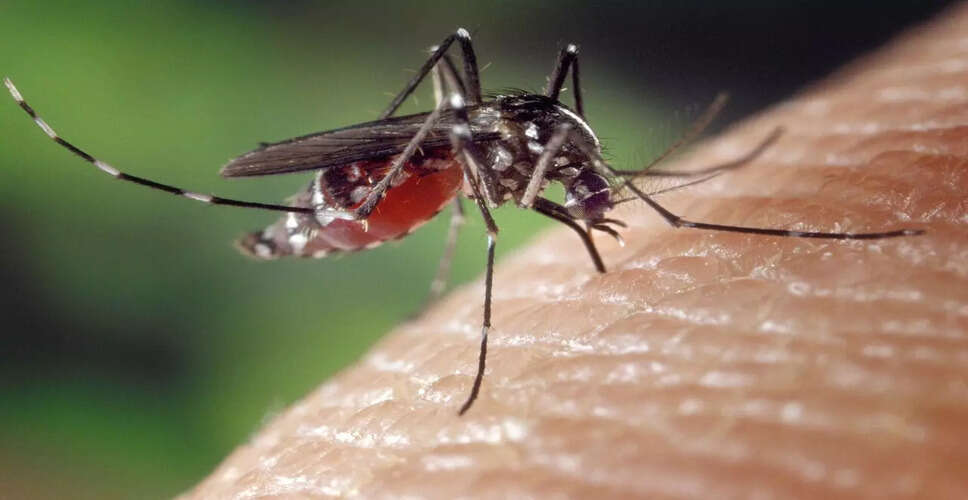
Early symptoms of JE include high fever, stiff neck, and severe headaches (Representational Image)
Guwahati, June 10: In the past nine years, Assam has reported a staggering three out of five deaths from Japanese Encephalitis (JE) in India, totaling 609 fatalities attributed to this disease.
Data from the National Centre for Vector Borne Diseases Control (NCVBDC) indicates that from 2018 to 2026 (up to March), Assam documented 3,767 confirmed cases of JE.
In contrast, the rest of India combined saw only 376 deaths from JE during the same timeframe, underscoring Assam's heightened susceptibility to this mosquito-borne illness.
In 2018, the state recorded 509 cases and 94 deaths. The following year, the situation deteriorated with 642 cases and 161 deaths reported.
The outbreak subsided during the COVID-19 pandemic years, with 320 cases and 51 deaths in 2020, followed by 248 cases and 40 deaths in 2021. However, in 2022, the disease re-emerged, leading to 456 cases and 96 deaths.
In 2023, Assam noted 525 cases and 34 deaths, while 2024 marked the peak of infections with 670 cases and 53 fatalities.
For 2025, the state reported 423 cases and 79 deaths, and as of March 2026, there have been four cases and one death.
Health experts stress the need for enhanced surveillance, vaccination for adults in high-risk zones, effective pig management, and prompt referral systems, as Assam accounted for nearly 62% of the nation's JE deaths during this period.
Dr. Raj Dutta, a physician based in Guwahati, noted that Assam's unique ecological conditions—characterized by extensive rice farming, heavy rainfall, frequent flooding, and a large pig population—create a conducive environment for the transmission of JE.
“Assam is responsible for 50% of the national burden, with the disease now endemic in most districts. Despite ongoing vaccination efforts, periodic outbreaks persist due to environmental, climatic, and socio-economic factors that promote mosquito breeding and virus spread,” he explained.