
Assam Faces Alarming Anaemia Rates: A National Nutrition Survey Report

Anaemia Prevalence in Assam
Photo: Pixabey
Guwahati, Nov 27: Recent findings from a significant national nutrition survey by the Indian Council of Medical Research (ICMR) reveal that Assam is grappling with a severe anaemia crisis, showcasing some of the highest prevalence rates in the nation across various demographics.
The survey results indicate a troubling trend of anaemia affecting both genders and all age groups, with Assam leading the country in prevalence rates among adult men, women, and the elderly.
Among women aged 20-59 years, the state reported a staggering 72.8 per cent prevalence of anaemia, the highest in India, far exceeding the national average of 54.8 per cent.
For elderly individuals, the statistics are equally alarming. Assam has the highest prevalence of anaemia among men aged 60 and above at 74 per cent, compared to the national average of 44.7 per cent. Women in the same age bracket fared even worse, with a prevalence rate of 76.9 per cent, significantly higher than the national average of 55.7 per cent.
The data also underscores the heightened vulnerability of women in their reproductive years. In the 15-49 age group, the anaemia prevalence in Assam is 71.9 per cent, notably higher than the national average of 55.9 per cent, with only West Bengal reporting a slightly higher rate at 72.4 per cent.
Younger demographics are not spared either. Among adolescent girls aged 10-19 years, 58.8 per cent were found to be anaemic, surpassing the national average of 46.3 per cent. Adolescent boys showed a prevalence of 37.4 per cent, compared to the national average of 22.8 per cent.
Adult men are also significantly impacted, with Assam recording an anaemia prevalence of 46.8 per cent among men aged 20-59 years, the highest in the country and more than double the national average of 22 per cent.
These findings are part of the Survey for Assessment of Markers of Population Health, Activity, Diet, and Anthropometry (SAMPADA), conducted by the ICMR-National Institute of Nutrition (ICMR-NIN) from 2023 to 2025.
Recognized as one of the largest and most thorough nutrition surveys globally, SAMPADA aims to fill critical gaps in India's nutrition data by providing reliable estimates of dietary intake, anthropometry, anaemia, and other nutritional biomarkers.
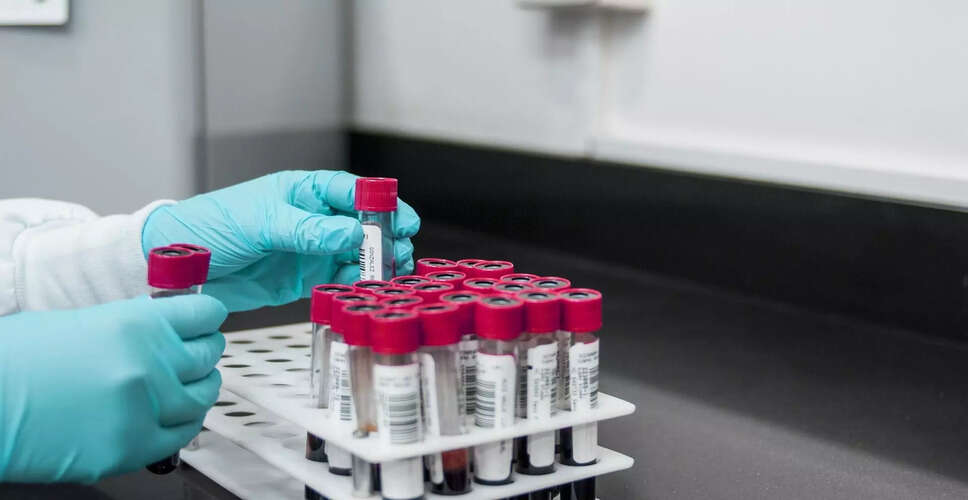
The survey analyzed over 1.7 lakh blood samples, yielding comprehensive data on anaemia and micronutrient deficiencies across all age groups, including those over 60 years old.
Utilizing a multi-stage, stratified cluster sampling method, this nationwide initiative encompassed more than 2 lakh individuals from over 81,000 households across 183 districts in 35 states and Union territories.
The survey offers both national and state-level estimates, delivering a detailed overview of India's nutritional health.