
Ashok Gehlot Condemns Violence Against Hindus in Bangladesh
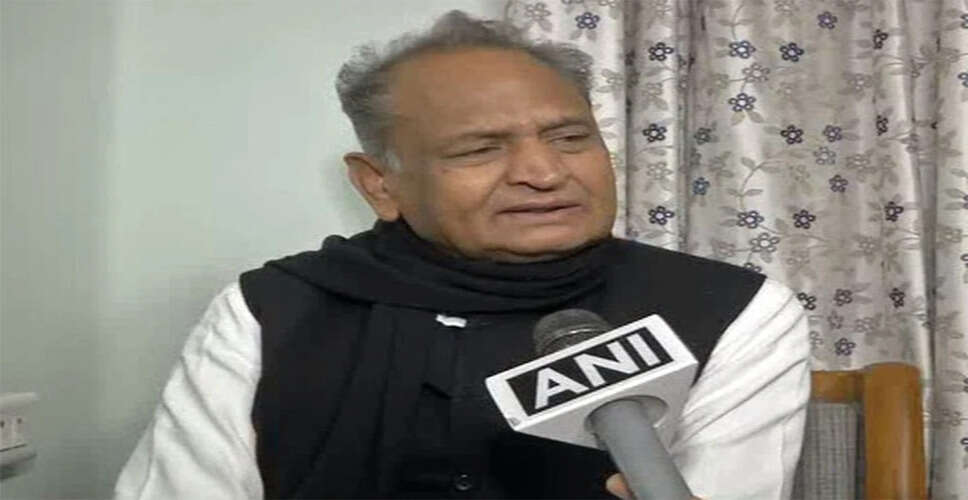
Gehlot Critiques India's Diplomatic Stance
Former Chief Minister of Rajasthan, Ashok Gehlot, has expressed strong condemnation of the attacks on the Hindu minority community in Bangladesh, criticizing the Indian government's diplomatic approach towards the neighboring nation. In a recent post, he described the reports of brutality against Hindu minorities in Bangladesh as "alarming." Gehlot highlighted the tragic incidents, including the murder of five Hindus and the atrocities committed against women, labeling them as a stain on humanity.
Reflecting on the 1971 India-Pakistan war, Gehlot voiced concerns over the rising anti-India sentiments in Bangladesh, attributing this to the failures of the Indian government's diplomatic efforts. He stated, "The news of the violence against Hindu minorities from Bangladesh is troubling. In just 19 days, five Hindus have been killed, and the atrocities against women are a disgrace to humanity. The memories of that era in 1971 are still fresh, when under the leadership of Indira Gandhi, India not only demonstrated diplomatic strength but also changed both history and geography. The country did not even care about the superpower America, which sent its seventh fleet against India. It is also concerning that the nation, which India helped to establish, has turned against it. This reflects a diplomatic failure of the Indian government."
Gehlot further emphasized that it is India's moral and diplomatic responsibility to protect the lives and dignity of minorities in Bangladesh. He stated, "The central government should move beyond merely expressing 'deep concern' through formal statements and take concrete actions. Safeguarding the lives and dignity of minorities in the neighboring country is our moral and diplomatic duty. History shows that the lives of innocents can only be saved through decisive leadership, not hollow slogans. The Prime Minister should intervene in this matter and exert effective pressure on the interim government of Bangladesh."