
Arvind Kejriwal Takes Firm Stand in Delhi Excise Policy Case
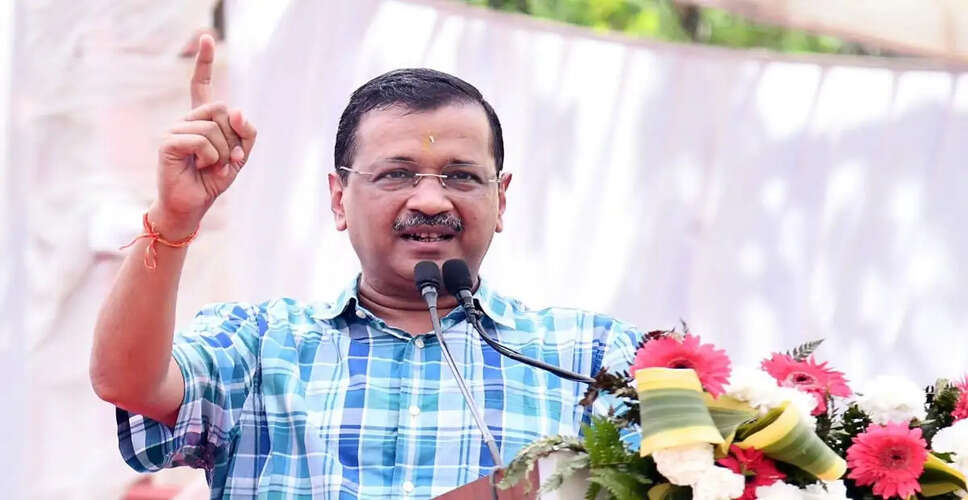

Kejriwal's Bold Decision
Former Chief Minister of Delhi and national convenor of the Aam Aadmi Party (AAP), Arvind Kejriwal, has adopted a resolute stance regarding the Delhi Excise Policy case. He has communicated to Justice Swarnkant Sharma through a letter, stating that neither he nor his legal representatives will participate in any upcoming hearings.
Kejriwal expressed his belief that he no longer expects a fair outcome from the court proceedings.
Loss of Faith in Justice
In his message, he remarked, "I have lost hope of receiving justice from Justice Swarnkant. This decision is personal and based on my conscience." He further indicated that he plans to follow the path of Mahatma Gandhi's Satyagraha as a form of protest.
Kejriwal stated, "I have decided to walk the path of Gandhi's Satyagraha."
Potential Supreme Court Challenge
Kejriwal mentioned that he remains open to challenging the judge's decision in the Supreme Court of India if necessary.
Rejection of Withdrawal Request
This development follows the Delhi High Court's dismissal of a plea filed by Kejriwal and others, which sought Justice Swarnkant Sharma's recusal from the Delhi Excise Policy case. Justice Sharma rejected the plea, stating that the claims made lacked evidence and were merely based on allegations that questioned his credibility.
Courtroom Tension
As the judge began to write the decision, a silence enveloped the courtroom. The judge reflected on the burden of being someone who has sworn to uphold the Constitution of India, realizing that his silence was being tested, raising questions about the impartiality of both the judge and the institution.
Justice Sharma described the situation as a 'Catch-22' for the court, stating, "Now, regarding the request to withdraw from the hearing, I find myself in a position where whether I withdraw or not, questions will arise. The petitioner (Kejriwal) has created a scenario where he will emerge victorious either way."
Need for Solid Evidence
The court clarified that allegations of bias must be supported by substantial evidence, not mere suspicion. The judge emphasized that a litigant's general unease or fear that the court may not grant relief falls significantly short of the high standard required for a judge's recusal.