
Arunachal Pradesh's Glaw Lake Gains International Recognition as Ramsar Site

Significance of Glaw Lake's Ramsar Designation
Itanagar, August 4 - The Chief Minister of Arunachal Pradesh, Pema Khandu, announced that the recognition of Glaw Lake in Lohit district as a Ramsar site of international importance will enhance biodiversity conservation and promote sustainable livelihoods. Khandu emphasized that this announcement marks a significant milestone in the state's ecological preservation history. He expressed gratitude to Prime Minister Narendra Modi and Union Environment Minister Bhupender Yadav.
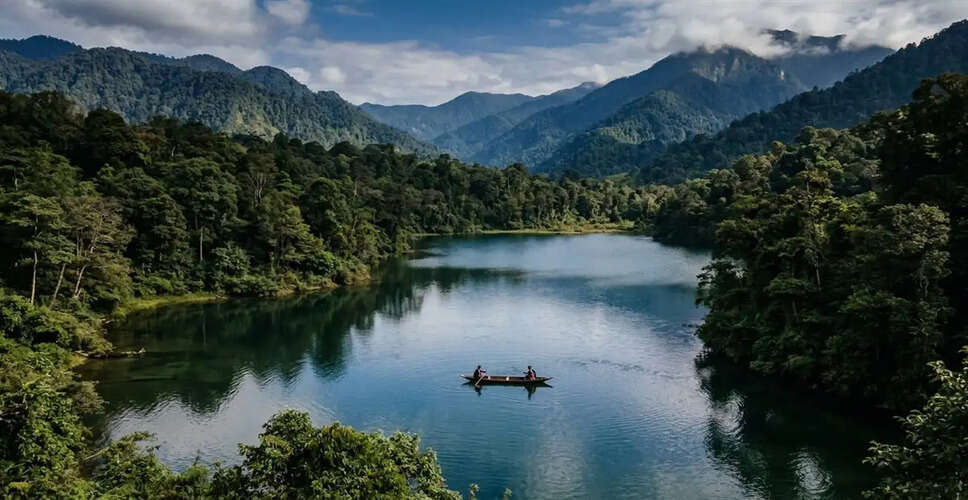
On Monday, Yadav revealed that this pristine water body has become India's 101st Ramsar site. Khandu shared on social media, “The designation of Glaw Lake as Arunachal Pradesh's first Ramsar site is a matter of pride for our state. This recognition will strengthen biodiversity conservation, promote sustainable livelihoods, and inspire future generations to protect our invaluable ecology.” The lake is nestled within the Kamlang Tiger Reserve and Wildlife Sanctuary in the Eastern Himalayas, surrounded by dense, ancient forests.
The lake is fed by streams flowing from the mountains throughout the year. The surrounding area is home to over 150 species of trees and 49 types of orchids, making it a crucial center for plant and animal diversity. The Ramsar Convention is an intergovernmental environmental treaty established on February 2, 1971, in Ramsar, Iran, aimed at the conservation of wetlands, marshes, and lakes.