
Arunachal Pradesh Tops Fiscal Health Index Among Northeastern States

Fiscal Performance Rankings of Northeastern States
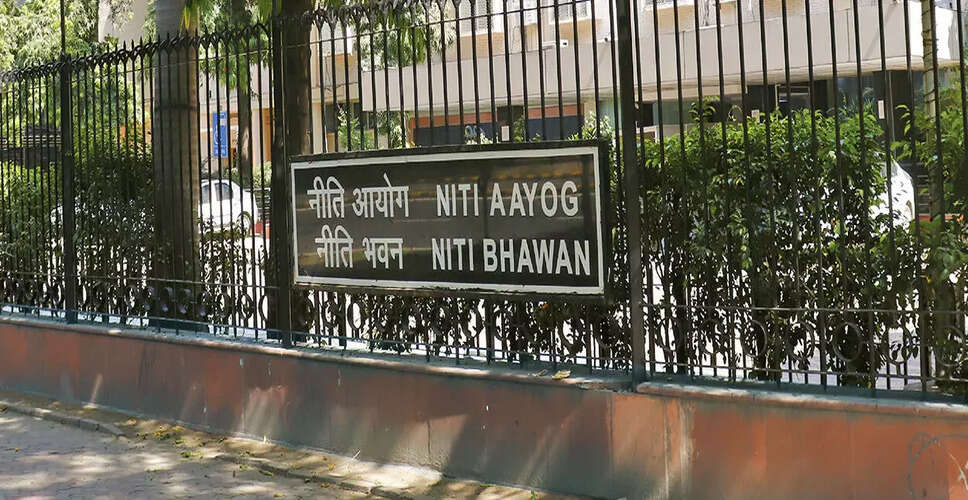
Guwahati, March 30: According to the Fiscal Health Index (FHI) 2026, Arunachal Pradesh has emerged as the leader among ten Northeastern and Himalayan states in terms of fiscal performance, followed closely by Uttarakhand and Tripura. Assam has been positioned fifth, trailing behind Tripura and Meghalaya.
Arunachal Pradesh achieved the highest score of 59.5, showcasing remarkable results in Quality of Expenditure along with solid performances in Fiscal Prudence and Debt Index.
Uttarakhand, with a score of 52.5, excels mainly due to its high Revenue Mobilisation and strong ratings in Debt Index and Debt Sustainability.
Meghalaya (41.5) and Assam (39.1) are in the middle tier, exhibiting varied performances. Meghalaya benefits from a high Quality of Expenditure and a favorable Debt Index, while Assam shows strength in Revenue Mobilisation and Debt Index but is hindered by low Fiscal Prudence, as per the FHI 2026 report released by Niti Aayog.
The report evaluates states based on five criteria: Quality of Expenditure, Revenue Mobilisation, Fiscal Prudence, Debt Index, and Debt Sustainability, analyzing fiscal trends from FY 2014–15 to FY 2023-24.
The analysis of the ten Northeastern and Himalayan states was conducted separately. Notably, Assam held the top rank in this category back in 2015-16.
Mizoram, Nagaland, and Sikkim also displayed mixed results. Mizoram performed well in Fiscal Prudence and Debt Index but faced challenges with Debt Sustainability.
Sikkim maintained balanced scores, while Nagaland struggled with Revenue Mobilisation and Quality of Expenditure, despite having a reasonable debt position.
Himachal Pradesh and Manipur ranked lowest, showing poor performance in Fiscal Prudence and Revenue Mobilisation, respectively.
The assessment indicates that Assam's fiscal profile for 2023–24 reflects a continued focus on development, supported by steady revenue growth and partial fiscal consolidation.
Developmental expenditure surged by nearly 39 percent from 2020–21 to 2023–24, indicating ongoing investment in growth and welfare initiatives.
However, the high proportion of revenue spending and a significant share of committed expenditure—over 62 percent of revenue receipts—have limited the state's ability to launch new initiatives.
In 2023–24, developmental spending constituted about 64 percent of total expenditure, a decrease from over 69 percent in 2020–21.
Assam's own revenue rose from Rs 20,033 crore in 2020–21 to Rs 34,081 crore in 2023–24, reflecting a compound annual growth rate (CAGR) of approximately 14 percent.
While this suggests improved revenue mobilisation, the state remains heavily dependent on Central transfers, which made up 38.4 percent of revenue receipts in 2023–24.
Assam's Gross Fiscal Deficit (GFD) as a percentage of GSDP increased significantly to 5.9 percent in 2022–23 from 3.6 percent in 2020–21, with a slight reduction to 3.7 percent in 2023–24, indicating some fiscal consolidation.
The state's outstanding liabilities and interest payments surged by 67 percent and 57 percent, respectively, between 2020–21 and 2023–24, reflecting ongoing borrowing that has raised the state's debt servicing obligations and limited fiscal flexibility.
Interest payments have continued to escalate, with the ratio of interest payments to revenue receipts, which had decreased from 8 percent in 2020–21 to 7.7 percent in 2022–23, climbing back to around 8–9 percent in 2023–24.