
Arunachal Pradesh Aims to Become a Premier Tourism Hub with Subansiri Project

Transforming Subansiri Lower Pondage into a Tourism Destination
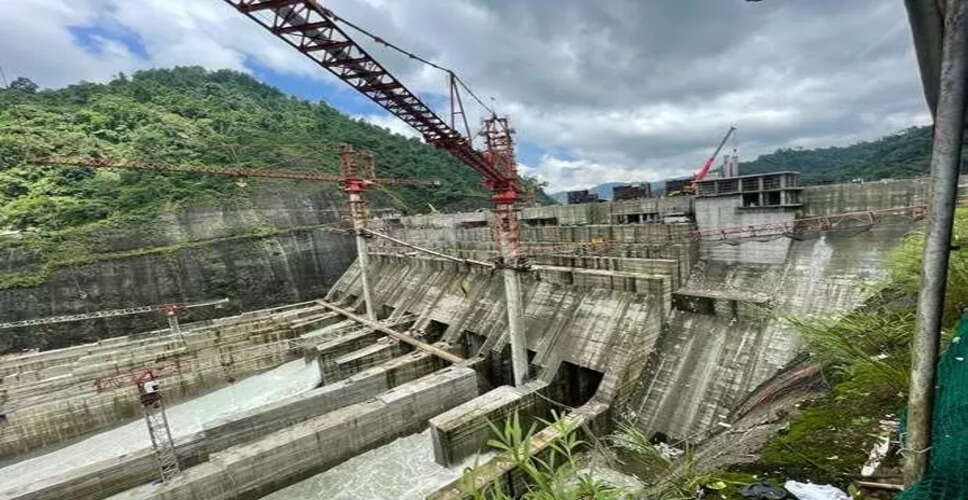
Subansiri Lower Hydroelectric Project (Photo: @PIB_India / X)
Itanagar, April 24: The Arunachal Pradesh government has unveiled an ambitious plan to develop the Subansiri Lower Pondage into a premier mountain and river tourism hub. This initiative aims to blend eco-tourism, adventure, cultural experiences, and sustainable livelihoods.
The Subansiri Lower Hydroelectric Project, boasting a capacity of 2000 MW, is the largest of its kind in India and is anticipated to be fully operational by December, with four units already functioning. The pondage created by this project is envisioned as a unique opportunity to foster a high-value tourism ecosystem within one of India's most biodiverse river corridors.
Chief Minister Pema Khandu has reached out to Prime Minister Narendra Modi for support from the Central Government, requesting technical collaboration from various Union ministries, including those focused on Tourism, Power, and the Development of North Eastern Region, to adopt a comprehensive governmental approach to realize this vision.
The proposed tourism development strategy will feature eco-tourism, adventure sports, cultural tourism, luxury river cruises, and marine activities, drawing inspiration from globally recognized locations such as Phewa Lake in Nepal and Milford Sound in New Zealand.
Khandu emphasized the importance of local and tribal communities as vital stakeholders, beneficiaries, and guardians of the region's cultural and ecological heritage.
Once operational, the project is expected to create over 2,500 jobs, particularly benefiting local youth, and aims to attract more than 150,000 tourists annually in the medium term, significantly enhancing sustainable livelihoods and boosting the state's tourism economy.
In its initial phase, the government plans to collaborate with leading design and planning agencies to develop a detailed project report (DPR), including financial assessments and implementation strategies, in consultation with local communities.
This initiative is viewed as a transformative step towards utilizing hydropower infrastructure for sustainable tourism development, positioning Arunachal Pradesh as a high-value destination on both national and international tourism maps.
On March 28, the Chief Minister and officials undertook a high-speed river journey of approximately 45 km along the Subansiri river, from the project site at Dollungmukh to the Kamle-Subansiri confluence, as part of efforts to explore and integrate the river's tourism potential with ongoing hydropower development.