
Archaeological Survey of India Addresses Keeladi Excavation Report Controversy
Clarification from the Archaeological Survey of India
On Thursday, the Archaeological Survey of India (ASI) refuted claims suggesting a lack of interest in publishing the findings from the Keeladi excavation in Tamil Nadu.
The ASI stated, “The notion that we are disinterested in the publication of the Keeladi report is purely fictional and aims to tarnish the department's reputation.”
This statement followed earlier reports from May indicating that the ASI had instructed archaeologist Amarnath Ramakrishna to revise his report on the Keeladi excavations based on feedback from two experts.
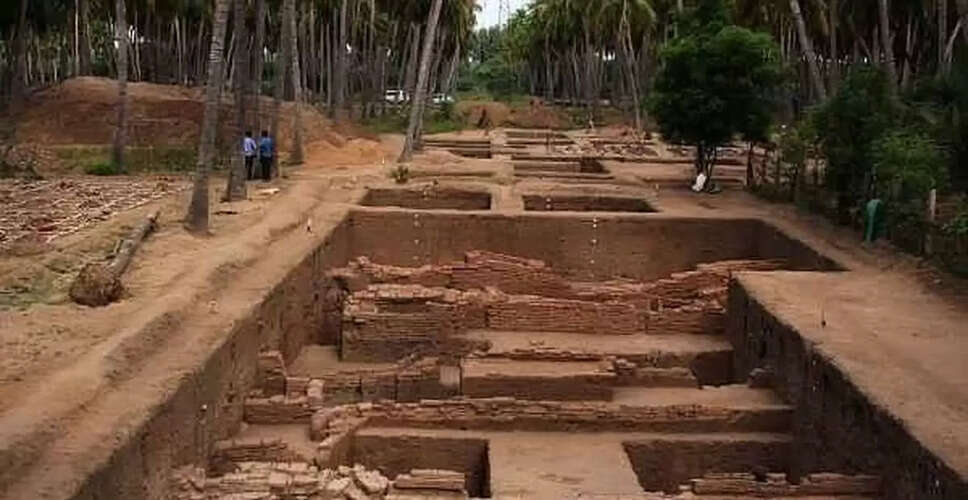
Ramakrishna, who was instrumental in uncovering the Sangam-era site near Madurai, had submitted a detailed report over two years ago covering the initial phases of the excavation.
According to a report from a major news outlet, Ramakrishna had declined to amend the report, standing firm on the integrity of his findings and the methods employed during the excavation.
The ASI clarified that the communication from the director of excavations is a standard procedure, routinely issued to excavators for necessary adjustments in their reports.
“We place significant importance on publishing reports from excavated sites, as considerable resources are invested in each excavation, and failing to publish undermines the purpose of the work,” the ASI emphasized.
It further explained, “After excavators submit their reports, these are reviewed by various subject experts who provide feedback for publication. The excavators then make the recommended changes before resubmitting.”
The ASI confirmed that this process was also applied to the Keeladi excavation.
“The excavator has been informed of the experts' suggestions for necessary revisions to his draft report, but he has yet to implement these changes,” the statement noted.
The department asserted that the narrative circulating in some media outlets is misleading and categorically denied any such claims.
All reports undergo thorough vetting, editing, proofreading, and design before publication, it added.
Keeladi has been a focal point of political discussions in recent years.
Ramakrishna, who led the excavation phases from 2014 to 2016, discovered over 5,500 artifacts indicative of an urban civilization in Tamil Nadu during the Sangam era, which spans from the 3rd century BCE to the 3rd century CE in southern India.
In 2017, the ASI reassigned Ramakrishna to Assam, a move that political parties labeled as “unusual” at the time, according to reports from a major news outlet.
The excavation drew significant attention, and Ramakrishna's transfer was perceived as an effort to diminish the importance of the findings, as reported by another major news outlet.