
Anticipated Changes in the 2026-27 Union Budget: A New Income Tax Act on the Horizon
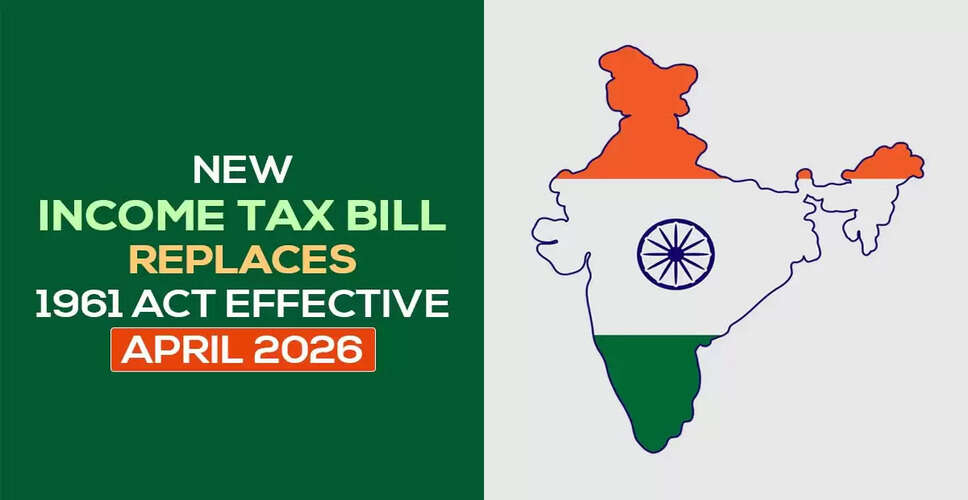
Preparations for the 2026-27 Union Budget
New Delhi, January 20, 2026 – The preparations for the Union Budget 2026-27 are in full swing. The budget session of Parliament is set to commence on January 28, 2026, with Finance Minister Nirmala Sitharaman scheduled to present the budget on February 1, 2026 (Sunday) at 11 AM. This year's budget is expected to introduce several significant changes, particularly in taxation.
Introduction of the New Income Tax Act
One of the most notable changes is the complete repeal of the old Income Tax Act of 1961, with the introduction of the new ‘Income Tax Act, 2025’. This new legislation is set to take effect on April 1, 2026. While the final decisions and detailed announcements will be made during the Finance Minister's budget speech on February 1, experts and reports suggest that several key changes are likely.
What Major Changes Can Be Expected?
Potential Major Changes
- Full Impact of the New Income Tax Act 2025
- The 60-year-old 1961 law will be abolished.
- The new act will be written in simpler language, with fewer sections and a modern approach.
- Instead of ‘Previous Year’ and ‘Assessment Year’, only ‘Tax Year’ will be used, simplifying tax filing.
- Tax compliance, recovery, and notice systems will be made digital and user-friendly.
- Enhancements to the New Tax Regime
- The new tax regime was made the default in the previous budget, with relief in the slabs (tax-free up to ₹12 lakh).
- Experts believe there may be further adjustments in the slabs, an increase in rebates, or the reintroduction of certain deductions (like HRA, 80C).
- There is a strong demand for raising the basic exemption limit for the middle class or indexing it according to inflation.
- Other Tax-Related Changes
- Relief in taxation on FD interest – demands for a 30% deduction on interest up to ₹2 lakh or TDS exemptions.
- Encouragement for new products like flexible FDs.
- Changes to ensure tax neutrality in corporate tax, FDI, and business restructuring.
- Options for joint taxation for senior citizens or families (as recommended by ICAI).
Schedule for the Budget Session
Budget Session Schedule
- January 28: Session begins with a joint address by President Droupadi Murmu.
- February 1: Budget presentation (Sunday at 11 AM).
- Following this, the Finance Bill will be presented, which will include amendments to the new tax act.
Expectations from the Upcoming Budget
Experts suggest that the government may focus on stability, given the significant changes made in the previous budget. However, there remains hope for relief for the middle class, salaried taxpayers, and investors.
Stay tuned for updates on February 1 – a clearer picture will emerge after the budget speech. Do you think there will be significant changes in the tax slabs this time? Share your thoughts in the comments!