
Andy Burnham Becomes UK Prime Minister Amid Economic Challenges

A New Era Begins
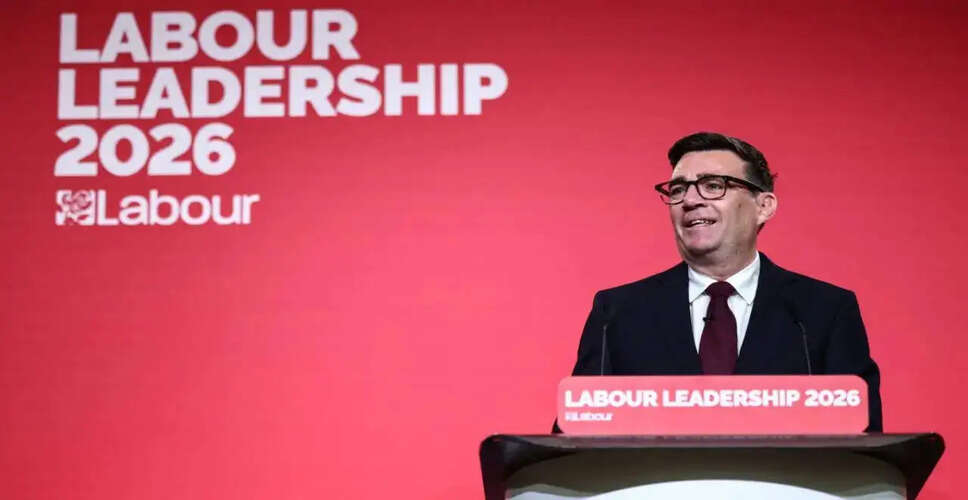
On Monday, Andy Burnham officially took office as the seventh Prime Minister of the United Kingdom in a decade. His ascent to leadership of the Labour Party was solidified on Friday, following the resignation of Keir Starmer last month. The former mayor of Greater Manchester has experienced a whirlwind few weeks, and many details regarding his cabinet and future plans for the nation remain uncertain.
Prioritizing the Cost of Living Crisis
Burnham has indicated that addressing domestic issues will be a primary focus, with the cost of living crisis at the forefront of his agenda. He steps into his role during a period of significant economic hardship, and his team has suggested that a cost of living relief package will be among his initial announcements. However, it remains to be seen whether this plan will adequately assist families grappling with rising prices and stagnant wages.
His administration will face immediate challenges, including the Bank of England's upcoming decision on interest rates and the release of new inflation forecasts. Additionally, on August 26, the energy regulator Ofgem will announce the autumn price cap, which will directly impact household energy costs. Burnham and his team seem to recognize that public frustration over living standards, coupled with a belief that politicians are unable to resolve these issues, is a significant source of public discontent. At a victory rally in Makerfield, he pledged to reduce water bills, electricity prices, and train fares to enhance affordability for citizens.
Navigating International Relations
While focusing on domestic matters, Burnham cannot ignore the international arena, particularly regarding relations with the United States and former President Donald Trump. He observed Starmer's cautious approach towards Trump, which eventually shifted to a more critical stance. Tensions arose in Downing Street as Trump and his associates criticized the UK over immigration policies, hesitance on North Sea drilling, and perceived inadequate defense funding, despite London's diplomatic efforts to maintain a positive relationship.
Position on European Relations
Burnham must also determine the nature of Britain's relationship with the European Union, especially given the pro-EU sentiments within his party. He previously expressed a desire to see the UK rejoin the EU during his lifetime, although he moderated this stance during his campaign in Makerfield. In a speech in May, he clarified that he was not advocating for a reevaluation of EU membership, emphasizing the importance of respecting the original referendum outcome as part of his broader commitment to democracy. In 2016, he was a staunch supporter of remaining in the EU, cautioning that Brexit could fracture British society and threaten national unity.
Furthermore, he will need to decide whether to continue supporting Starmer's youth mobility agreement, which would allow thousands of young people from both the UK and the EU to live and work in each other's countries for several years. Given the current political instability in Britain and Burnham's relative inexperience, the EU may seek to impose stricter terms on this and related matters. Over time, he may also face internal pressure from Labour to adopt a more progressive stance than the party's current position, which excludes rejoining the single market or customs union.
Defense Spending Challenges
One of the significant challenges that contributed to Starmer's downfall was the resignation of Defence Secretary John Healey, who cited a lack of funding for military enhancement as a key issue. Burnham has committed to reducing welfare expenditures to finance increased defense budgets, but his current proposals may not yield substantial savings in the short term. He has ruled out altering the pensions triple lock or cutting benefits for those with disabilities, instead favoring welfare-to-work initiatives that require time and substantial initial investment.
Approach to Welfare Reform
Burnham has expressed a desire to reduce the welfare budget to allocate more funds for defense, asserting that he is not hesitant about cutting benefits. However, he has refrained from committing to immediate, drastic cuts, instead advocating for long-term strategies to assist individuals in securing employment. Starmer's experience taught him the complexities of welfare reform, as he retreated last year after facing rebellion from Labour MPs over proposed cuts. While Burnham is free to pursue his own welfare legislation, gaining the support of Labour MPs will present its own set of challenges.