
Ancient Methods of Determining Pregnancy and Gender
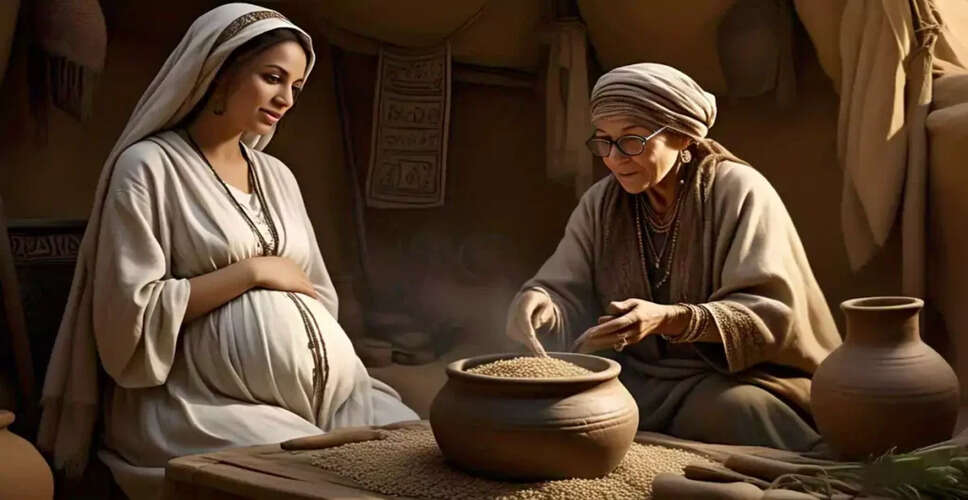
Exploring Historical Pregnancy Tests
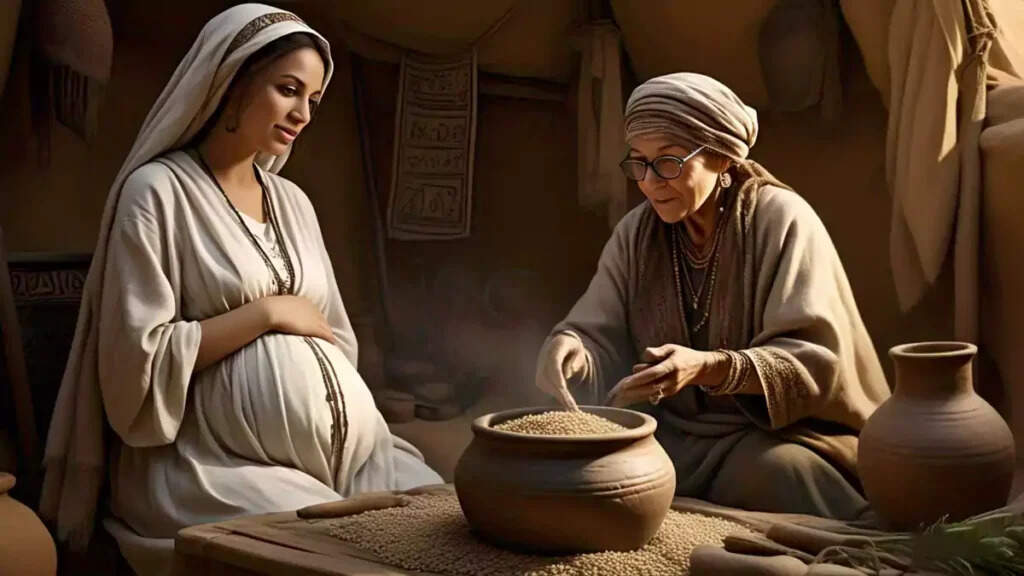
With the advancement of science and technology, numerous devices are now available in the market to quickly determine if a woman is pregnant. However, how did people in ancient times ascertain pregnancy?
Did you know that pregnancy tests were conducted as far back as 3,500 years ago? Back then, methods existed to identify whether the fetus was male or female. Research indicates that pregnancy tests were performed in ancient Egypt centuries ago.
According to historical accounts, between 1500 and 1300 BCE, women would place their urine in a bag containing wheat and barley. This bag would be observed over several days, and if the seeds began to sprout, it indicated that the woman was pregnant. Conversely, if nothing grew, it suggested she was not pregnant.
Reports suggest that there were also methods documented to predict the gender of the baby. If only barley sprouted in the bag, it was believed that a boy would be born, while sprouting wheat indicated a girl. However, the accuracy of these methods remains uncertain.