
Amit Shah Launches New National Cooperative Policy to Strengthen India's Cooperative Movement
Union Home Minister Amit Shah has unveiled a new national cooperative policy, set to replace a 23-year-old framework. This initiative aims to enhance the cooperative movement in India, focusing on inclusivity and economic development. Shah emphasized the importance of cooperatives in achieving collective growth and outlined the government's vision for a prosperous India by 2047. The policy aims to establish at least one cooperative in every village, promoting professional and responsible cooperative units. With a goal to position India as the third-largest economy by 2027, Shah expressed confidence in the cooperative sector's potential to unify the nation for mutual development.
| Jul 24, 2025, 18:32 IST
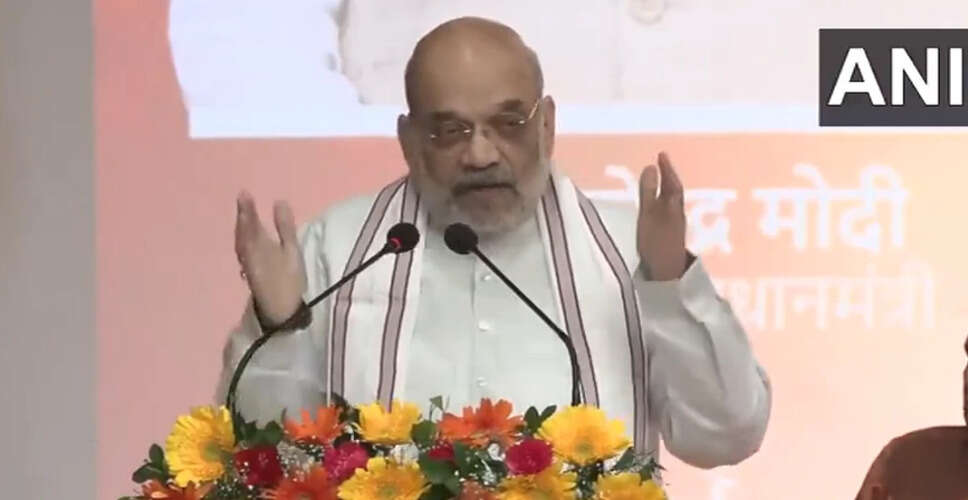
Introduction of the New Cooperative Policy
On Thursday, Union Home Minister Amit Shah introduced a new national cooperative policy, which will replace a policy that has been in effect for the past 23 years. This initiative marks another significant milestone for a department that has been gaining prominence under the Narendra Modi administration. According to a statement from the Ministry of Cooperation, the new policy is part of the government's objective to enhance cooperation in the country and is expected to serve as a landmark for India's cooperative movement from 2025 to 2045.
Key Highlights of the Policy
Amit Shah announced the launch of the National Cooperative Policy-2025, recalling that the previous cooperative policy was introduced by the Indian government in 2002 during the BJP's tenure. He emphasized that the government's vision understands the essential factors for India's development, asserting that a prosperous and satisfied core unit of the economy cannot fail.
Focus on Inclusivity and Development
Shah stressed that the new cooperative policy prioritizes people, villages, agriculture, women, Dalits, and tribal communities. The vision is to build a developed India by 2047 through the prosperity of cooperatives. The mission aims to create professional, transparent, responsible, and economically independent small cooperative units, with a goal of establishing at least one cooperative organization in every village.
Vision for Economic Growth
The Home Minister stated that the Modi government aims to position India as the third-largest economy by 2027, expressing confidence in achieving this goal. He highlighted the importance of collective development and the BJP's commitment to fostering a model where the growth of all leads to national progress. This is why the Ministry of Cooperation was established, he noted, adding that the ministry has achieved significant milestones in the past four years, with the most notable being the pride that members of even the smallest cooperative units now feel.
The Future of Cooperatives
Shah remarked that within four years, the cooperative sector has gained rights comparable to those of the corporate sector. Once deemed a dying sector by economic experts, cooperatives are now recognized as having a promising future. He asserted that the cooperative model holds the potential to unify the 1.4 billion people of the country for collective development, emphasizing that only cooperatives can amalgamate small investments into substantial enterprises. The policy's focus remains on individuals, particularly farmers, Dalits, and women.