
American Humanitarian Worker Contracts Ebola in Congo Amid Outbreak

Ebola Virus Case in Congo
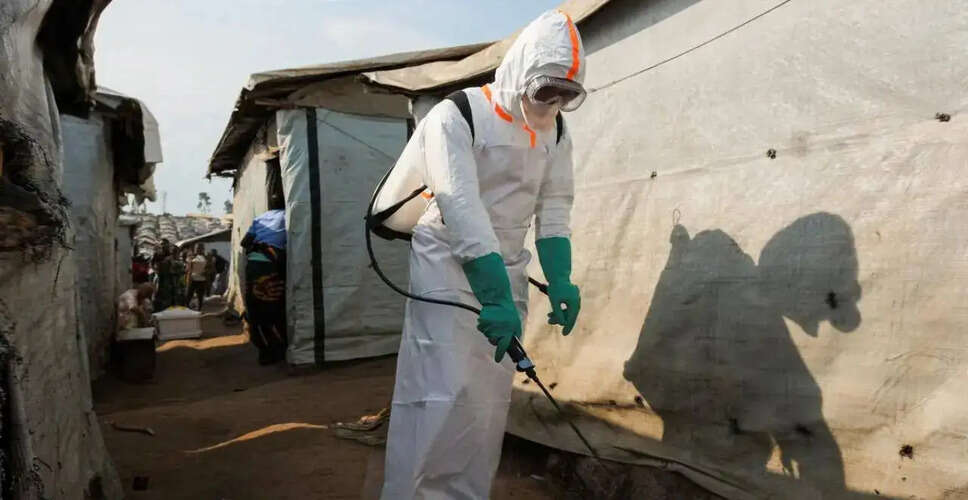
A U.S. citizen working for a humanitarian organization in Congo has tested positive for the Ebola virus, as reported by the Centers for Disease Control and Prevention (CDC) on Friday. This announcement comes at a critical time when the Central African nation is grappling with a rapidly spreading outbreak. The CDC is collaborating with the individual's employer, various U.S. government entities, local health officials, and partners in Congo to prevent further transmission and identify anyone who may have been in contact with the infected person. However, no additional details have been disclosed by the agency.
Rapidly Spreading Outbreak
Recently, the Africa Centres for Disease Control and Prevention described this as the most rapidly spreading Ebola outbreak in the continent's history. Current statistics support this claim, with Congo reporting 1,830 confirmed cases and 648 fatalities linked to the outbreak. The virus has also crossed into neighboring Uganda, indicating that it is not confined to Congo's borders. This is not the first instance of an American being affected; previously, a U.S. doctor working in Congo contracted the virus and required evacuation to Germany for treatment.
Origins of the Outbreak
The outbreak was officially declared by Congolese authorities on May 15, although the World Health Organization suggests that the virus may have been circulating undetected for weeks prior. The outbreak is attributed to the rare Bundibugyo strain of the virus, which currently lacks an approved vaccine or specific treatment. Efforts to control the outbreak have faced significant challenges, including insufficient funding, attacks on health facilities, and the ongoing conflict in eastern Congo, which complicates management efforts. On a positive note, clinical trials for potential treatments commenced last week, offering some hope to health workers in their ongoing battle.
The Dangers of Ebola
Ebola is transmitted through contact with the bodily fluids of infected individuals. Once the virus enters the body, it targets blood vessels, leading to severe complications such as heavy bleeding, vomiting, and organ failure, among other critical symptoms.