
Allahabad High Court Upholds Proceedings in 1984 Anti-Sikh Riots Case
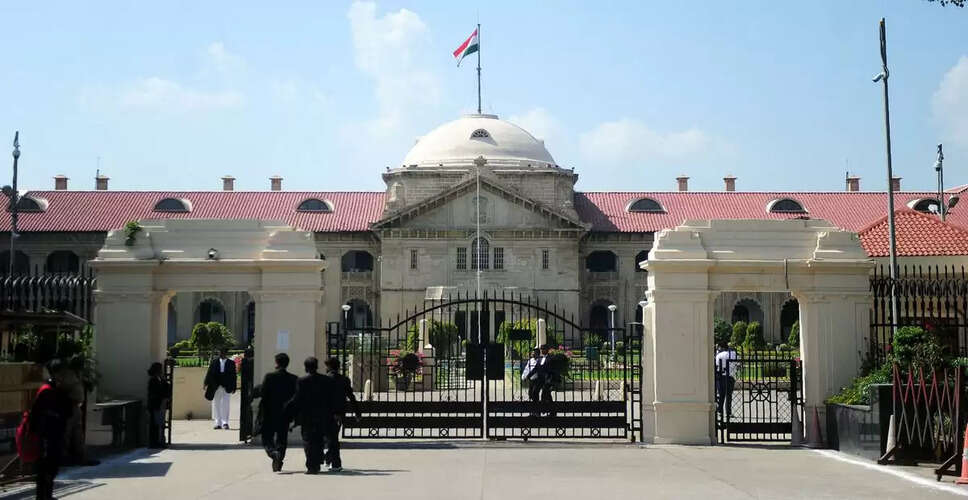
Court Decision on 1984 Riots
On Tuesday, the Allahabad High Court dismissed petitions from nine individuals who sought to terminate criminal proceedings linked to the 1984 anti-Sikh riots in Kanpur.
The riots erupted in early November 1984, triggered by the assassination of then-Prime Minister Indira Gandhi by her Sikh bodyguards.
The court characterized the violence as genocide and crimes against humanity.
Justice Anish Kumar Gupta stated that delays in witness statements and missing original police documents do not warrant halting the legal process.
Gupta rejected seven related applications that contested the chargesheets and ongoing cases before the chief judicial magistrate in Kanpur Nagar.
Initial reports were filed shortly after the riots, but subsequent final reports cleared the accused.
The Union government later established the Justice Nanavati Commission to investigate the riots, and the Supreme Court formed a Special Investigation Team to ensure cases with forensic evidence were pursued.
Following these directives, new investigations were launched, witnesses were interviewed, and chargesheets were prepared, leading to the chief metropolitan magistrate's cognizance.
The applicants claimed that the lack of original documents, such as FIRs and post-mortem reports, hindered a fair trial. They also argued that the identification of the accused was questionable, given that witness statements were recorded decades after the events.
One applicant presented an alibi, asserting he was not at the scene during the riots.
The state opposed the petitions, arguing that the Supreme Court was aware of the missing records when it ordered the reinvestigation.
Additional Advocate General Manish Goyal, representing the state, emphasized that authorities must comply with the Supreme Court's directives and that delays alone should not lead to case dismissals.
Goyal further noted that the severe nature of the crimes left a significant impact on witnesses, allowing them to provide clear testimonies.
The High Court concurred with the state's position, indicating that previous final reports were hastily filed to shield the accused.
The court acknowledged that records had been either destroyed or lost over time, and highlighted that the incidents were part of a broader pattern of violence against the Sikh community, involving widespread killings, arson, and looting.
The judge concluded that there is a prima facie case against the applicants, with adequate evidence suggesting their involvement and identity.